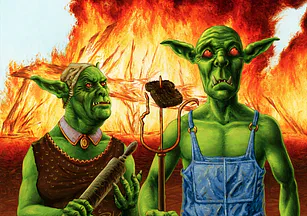


From July 14th to 21st, the Historic Pauper Challenge event will be available on MTG Arena. The tournament will be played in Best-of-One mode, and the entry fee will be 5,000 gold or 1,000 gems. Achieving five wins will allow players to fully recover the entry cost in gems.
Wizards of the Coast has decided to give more visibility to a format that is achieving considerable success on Arena and is supported by a particularly active community. The event will use the same banlist adopted by players, a further sign of how Wizards is increasingly relying on the experience of those who actively engage with these formats.
The banned cards are:
- Ancestral Mask
- Cranial Ram
- Galvanic Blast
- Kuldotha Rebirth
- Persistent Petitioners
- Refurbished Familiar
- Sneaky Snacker
For the occasion, Wizards has also made a bundle available containing 40 common wildcards for 40 gems, given the paradoxical difficulty of finding this type of resource within the game.
What to Expect from Historic Pauper?
The first rule to keep in mind is simple: Historic Pauper is not traditional Pauper, even if in many aspects it comes close.
The fundamental principles of the format remain valid: games are often decided through small progressive advantages, mass removals are very limited, and efficient resource management is crucial. However, the available card pool is quite different from the paper version, and consequently, deckbuilding choices also change drastically.
First of all, you have to forget about Lightning Bolt, Counterspell, and Cast Down, which were never released at common rarity on MTG Arena.
The main board-wiping effects are also not available, neither low-cost ones like Fiery Cannonade, nor cards like Pestilence and Krark-Clan Shaman.
Initiative, Monarch, the Urza lands, Spellstutter Sprite, the Gates, Cloudpost, Spy Combo, and Walls Combo are also missing.
A Less Powerful, but Very Creative Format
What remains is a significantly different and overall less powerful format, but precisely for this reason, it allows more room for creativity. The pool restrictions force players to explore strategies and interactions that have little space in paper Pauper.
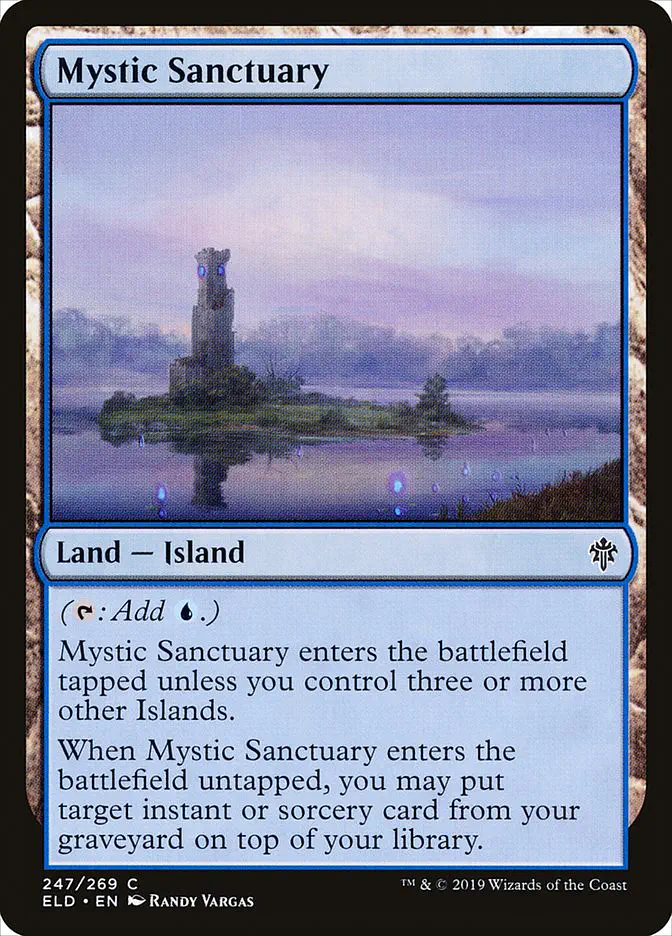
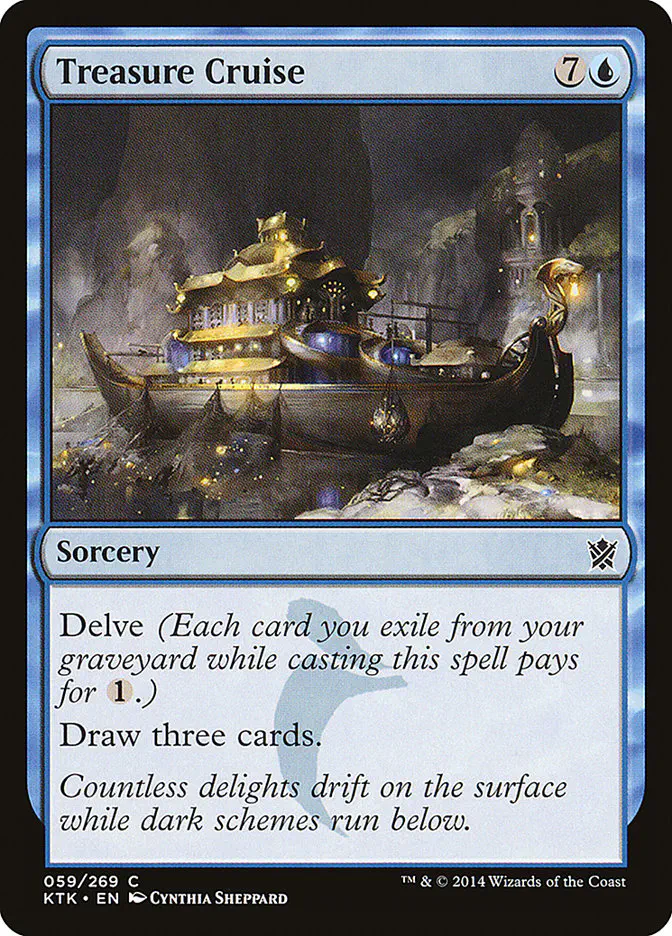
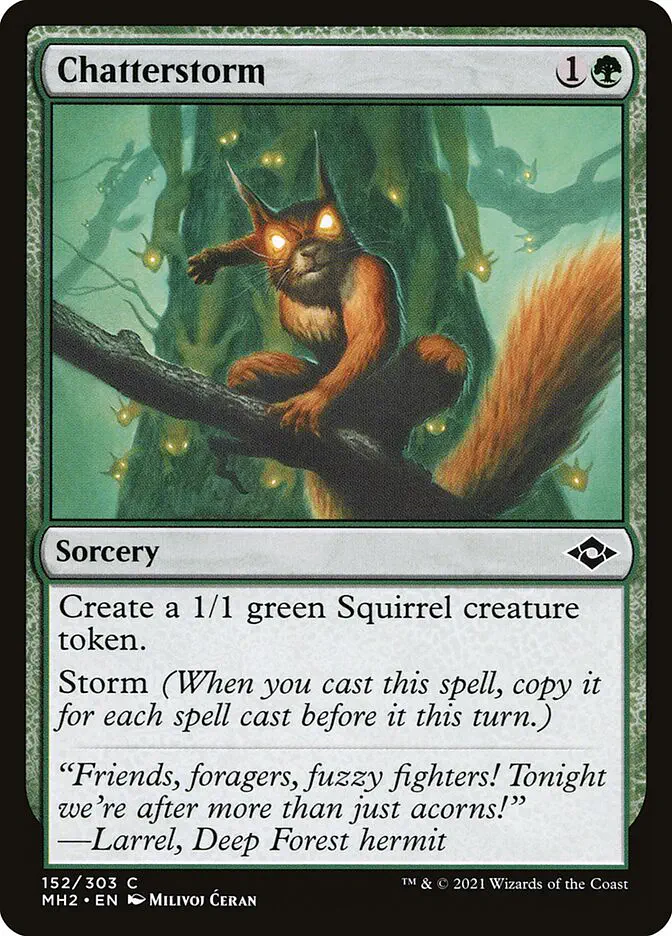
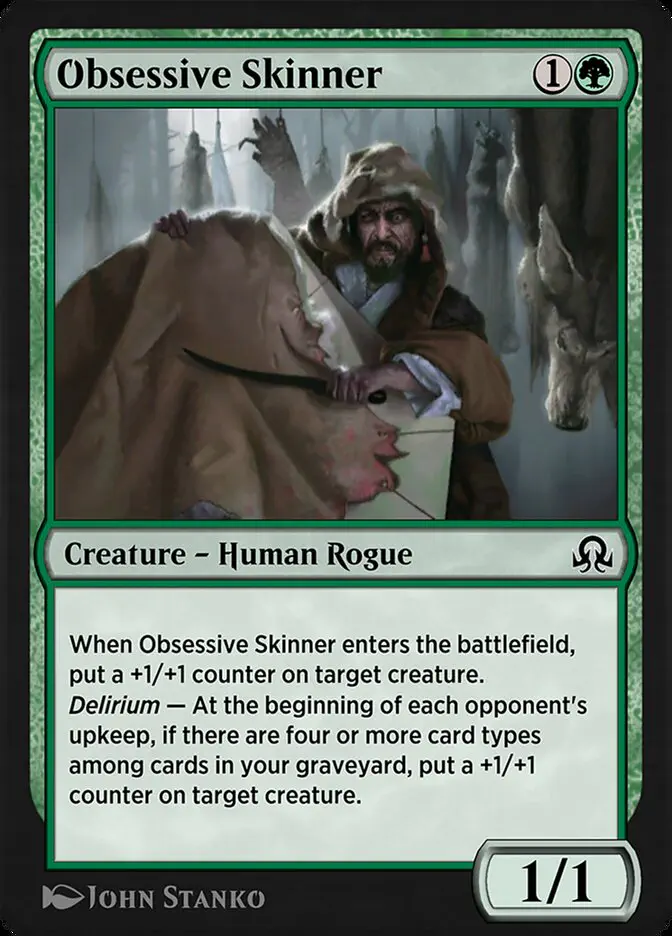
Among the available cards, we find Mystic Sanctuary, Treasure Cruise, Chatterstorm, and other interesting options impossible to use in the paper format, such as Patriar's Humiliation and Obsessive Skinner.
Aggro has an Advantage
The absence of true mass removals, excluding the pseudo-combo between Plaguecrafter's Familiar and Gouged Zealot, makes aggressive strategies particularly effective.
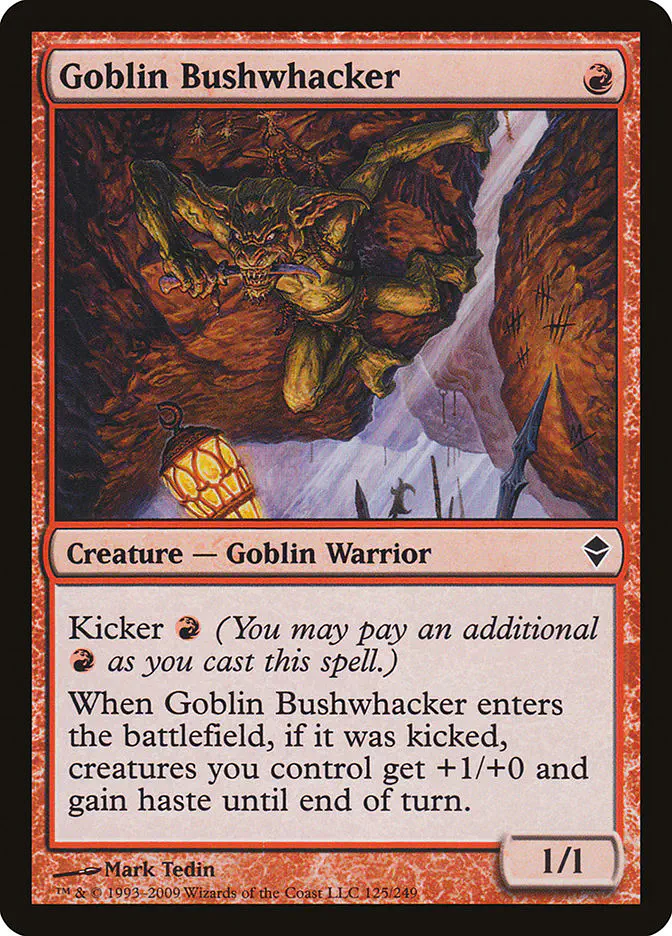
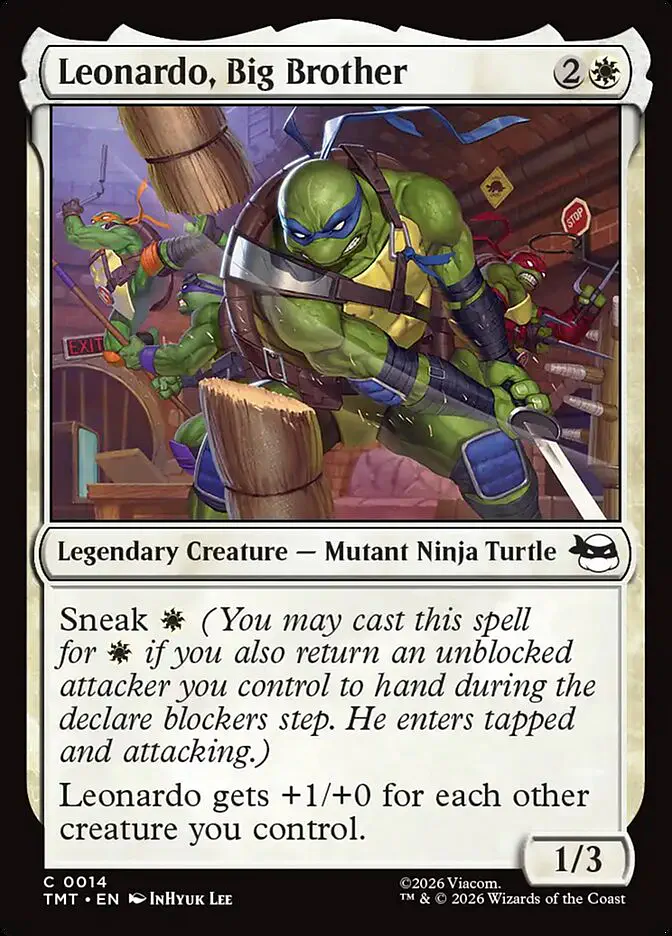
Mono Red Aggro, based on Goblin Bushwhacker, and White Weenie, with Leonardo, Big Brother, are among the decks most favored by the format's characteristics.
Madness, on the other hand, can count on the additional advantage of gaining life while reducing the opponent's.
Affinity, despite being deprived of particularly oppressive pieces like Cranial Ram, Refurbished Familiar, and Galvanic Blast, remains one of the most solid strategies.
Finally, Jund Wildfire retains a structure very similar to that used in paper Pauper.
Options for Control Players
Those who prefer control strategies can try some particularly creative builds.
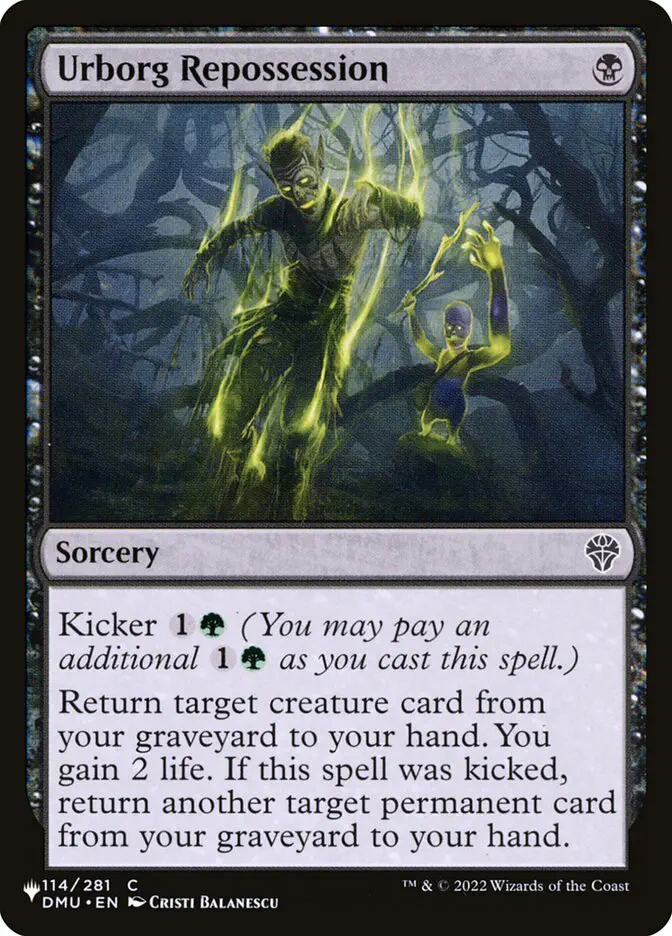
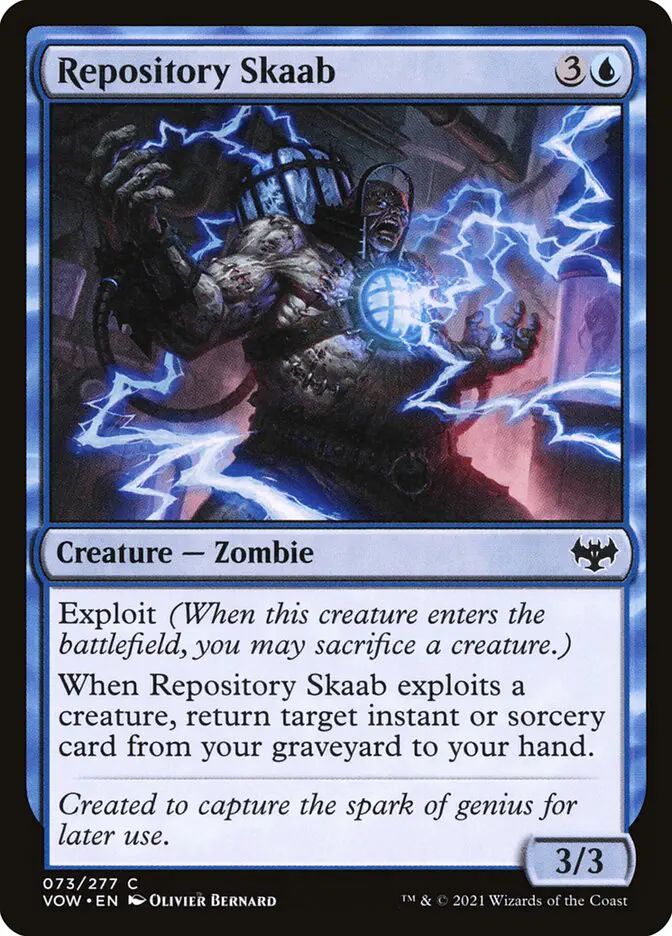
One of the most interesting is a Four-Color Control based on the loop between Urborg Repossession and Repository Skaab. This is a complex deck to pilot, requiring a good knowledge of the metagame and opponents' available resources.
There are also builds almost entirely composed of spells, built around Potioner's Trove and the Learn mechanic. This allows all fifteen sideboard slots to be utilized even within a Best-of-One match.
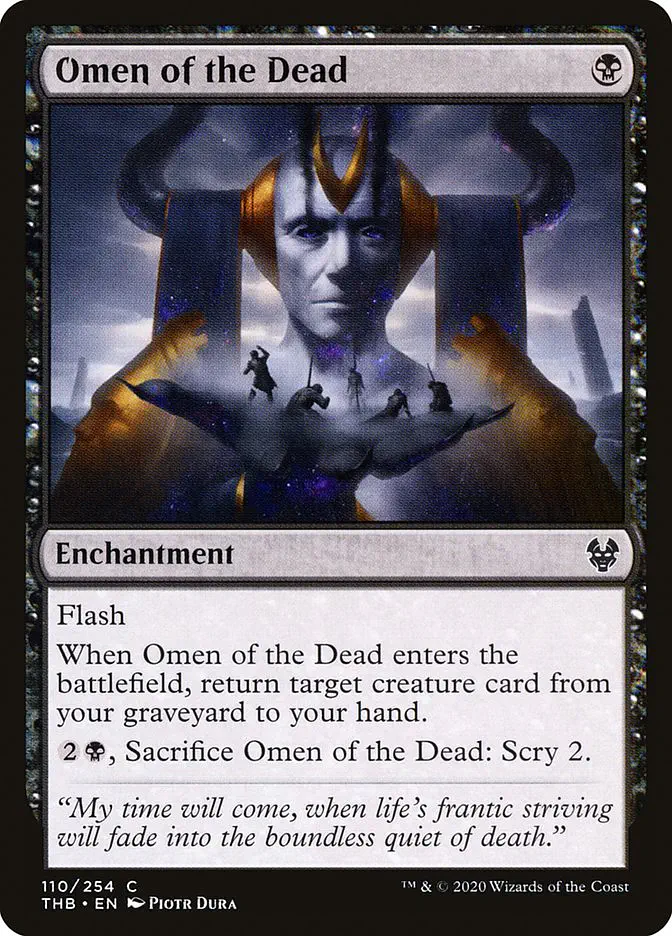
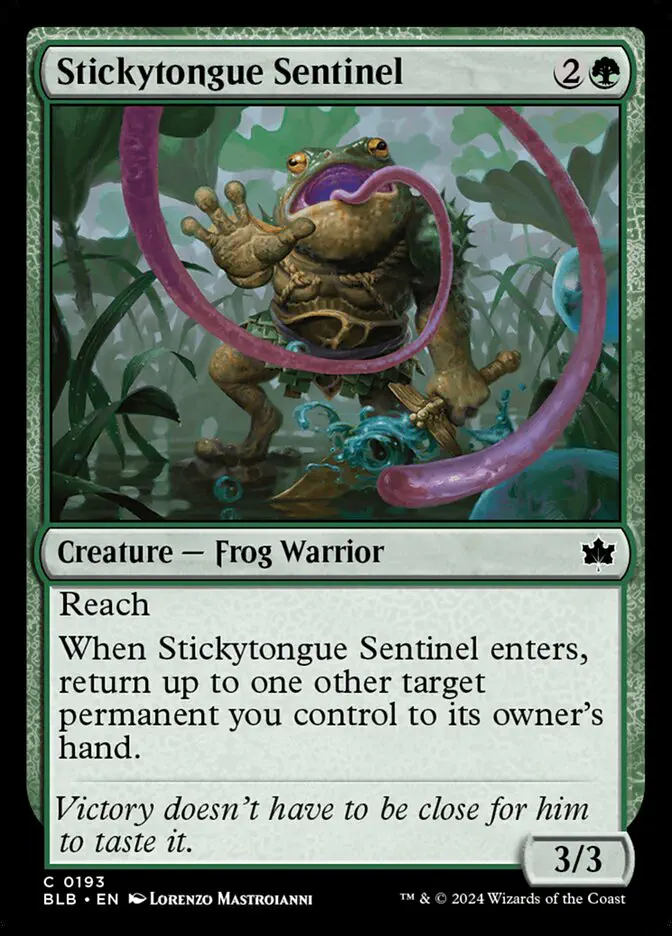
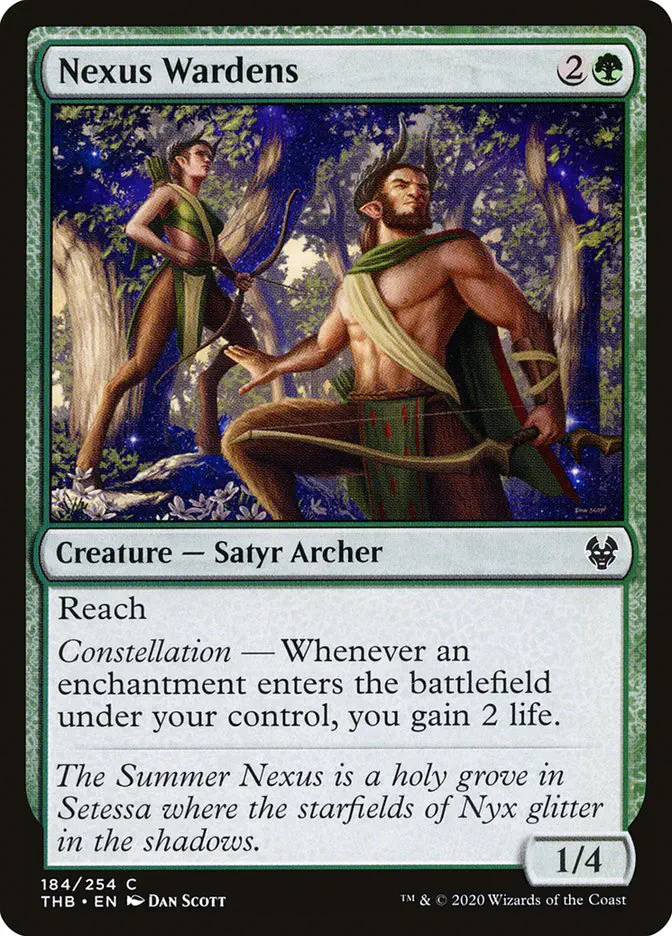
Another original solution is Four-Color Enchantments, which seeks to close the game through loops between Omen of the Dead and creatures capable of bouncing permanents, like Stickytongue Sentinel, while controlling the board with Nexus Wardens.
Other Available Strategies
The format still offers numerous alternatives. These include Goblin Combo, Storm, decks built around Kor Skyfisher, Aura Hexproof, Mono Black Zombies, and Mono Black Sacrifice.
Slime Against Humanity also deserves a mention, capable of quickly putting 6/6, 7/7, or even larger creatures onto the battlefield.
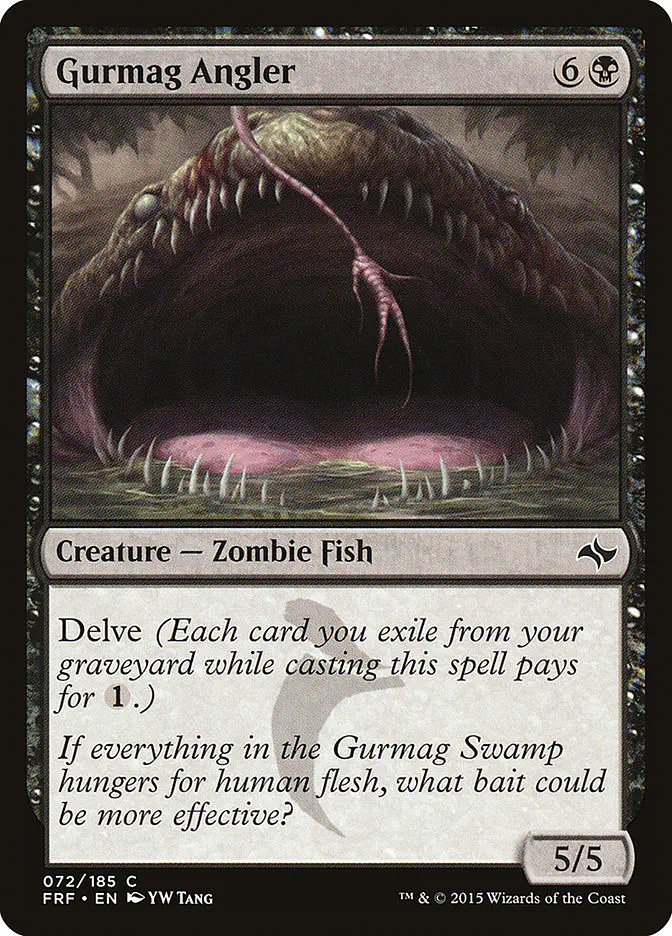
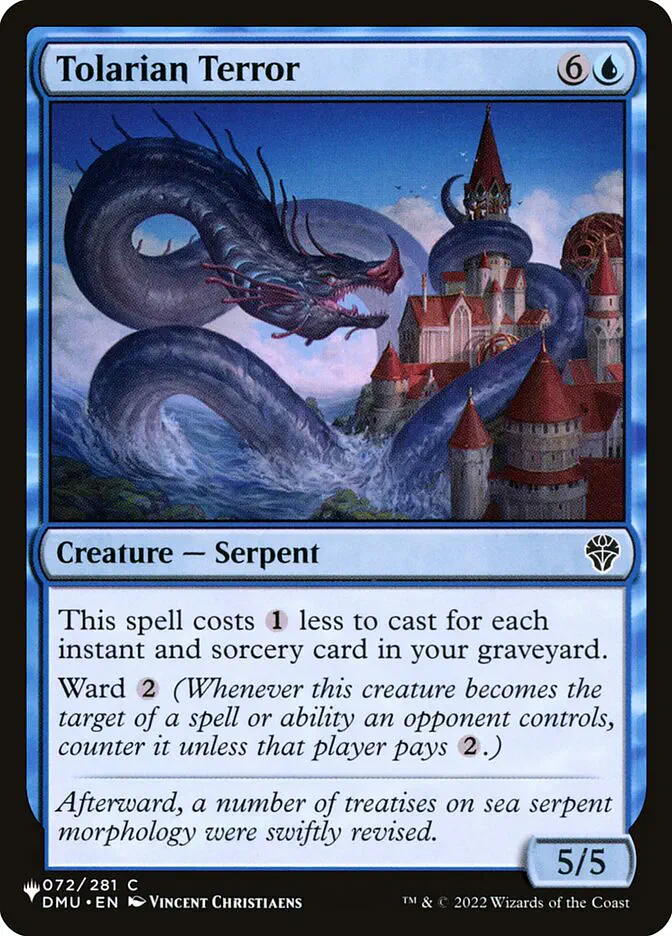
It's also possible to try strategies based on Fate and Ninja, or Dimir builds with Gurmag Angler and Tolarian Terror, although their effectiveness seems less guaranteed compared to the main archetypes.
References and Decklists
In the Discord server dedicated to Pauper on MTG Arena, you can find decklists, discussions, and updates on the format: https://discord.gg/QnJhPaVrYa
On Endless Number's YouTube channel, several videos dedicated to Historic Pauper are available, though played in Best-of-Three mode: https://www.youtube.com/@endlessnumber4318/videos
In the following Discord channel, you can consult the decklists from the last tournament played, which was also exclusively in Best-of-Three mode: https://discord.com/channels/542759768108957706/1472757415630999628/1488442064981983253