


Devoted Druid Combo is one of the most explosive combo decks in Modern 2026: it can win as early as turn two, but more importantly, it is built to assemble a turn-three kill with extreme consistency without relying on a single, linear sequence.
The core remains the classic combination of Devoted Druid and Vizier of Remedies, but the modern version of the deck is much more complex. Badgermole Cub, Leyline of Abundance, Shang-Chi, Master of Kung Fu, Tyvar, Jubilant Brawler, Green Sun's Zenith, and Nature's Rhythm turn the deck into a true creature combo toolbox, capable of generating massive amounts of mana, tutoring for missing pieces, and winning even without always relying on the traditional combo.
As a reference, we will use the list that finished 3rd at the Magic Spotlight: The Hobbit in Dallas last week out of 921 players, a configuration that perfectly represents the current structure of the archetype.
How Devoted Druid Combo Works
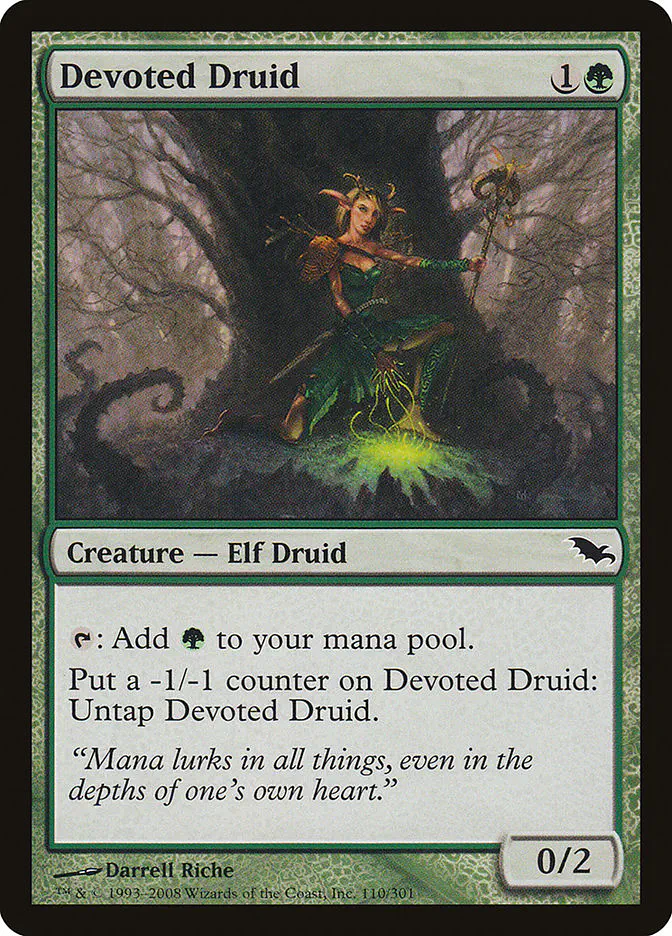
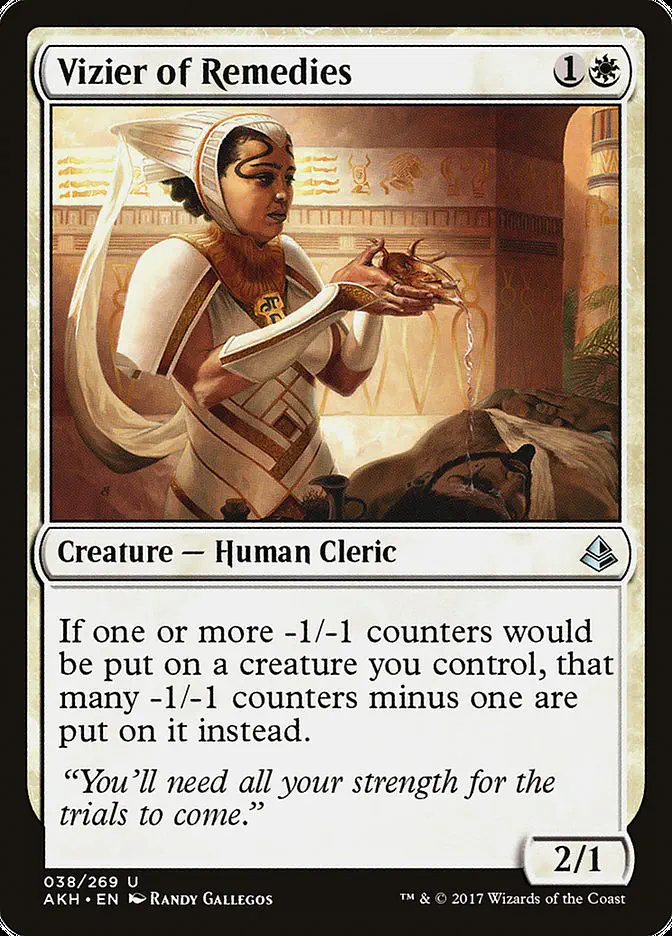
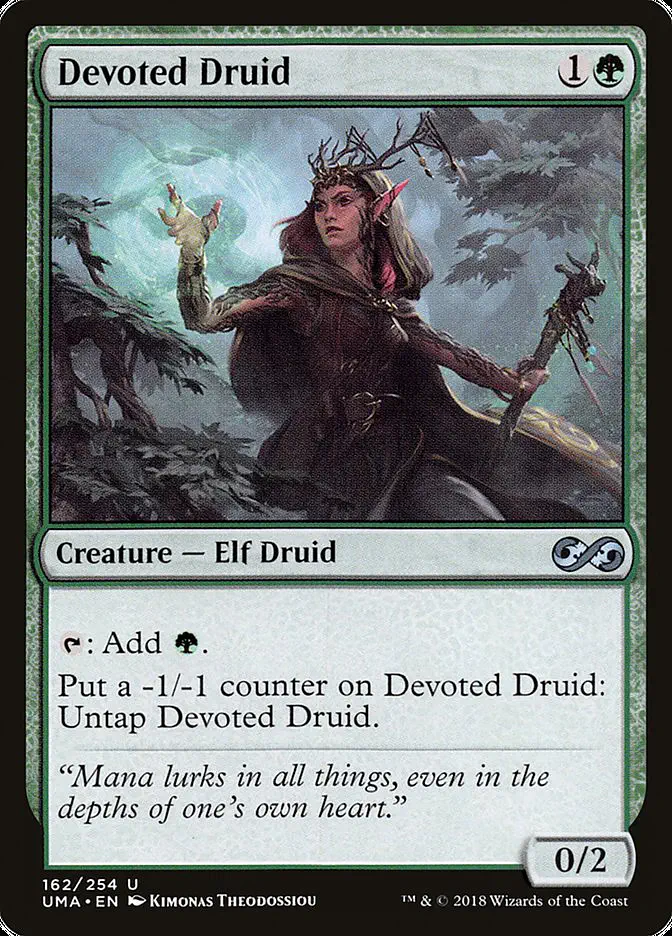
The core engine combines Devoted Druid with Vizier of Remedies to generate infinite green mana.
Devoted Druid can tap to add  and has an ability that allows you to put a -1/-1 counter on her to untap her. Normally, you can only repeat this process a few times before the counters reduce the creature's toughness to zero. However, with Vizier of Remedies on the battlefield, if one or more -1/-1 counters would be put on a creature you control, that many minus one -1/-1 counters are put on it instead—meaning zero counters.
The loop is simple:
- Tap Devoted Druid for ;
- Attempt to put a -1/-1 counter on her to untap her;
- Vizier of Remedies prevents the counter from actually being placed;
- Devoted Druid is untapped;
- Repeat the process as many times as you want.
At this point, you have an arbitrarily large amount of green mana.
The true strength of the 2026 version, however, is that you do not need to naturally draw both combo pieces. The deck runs:
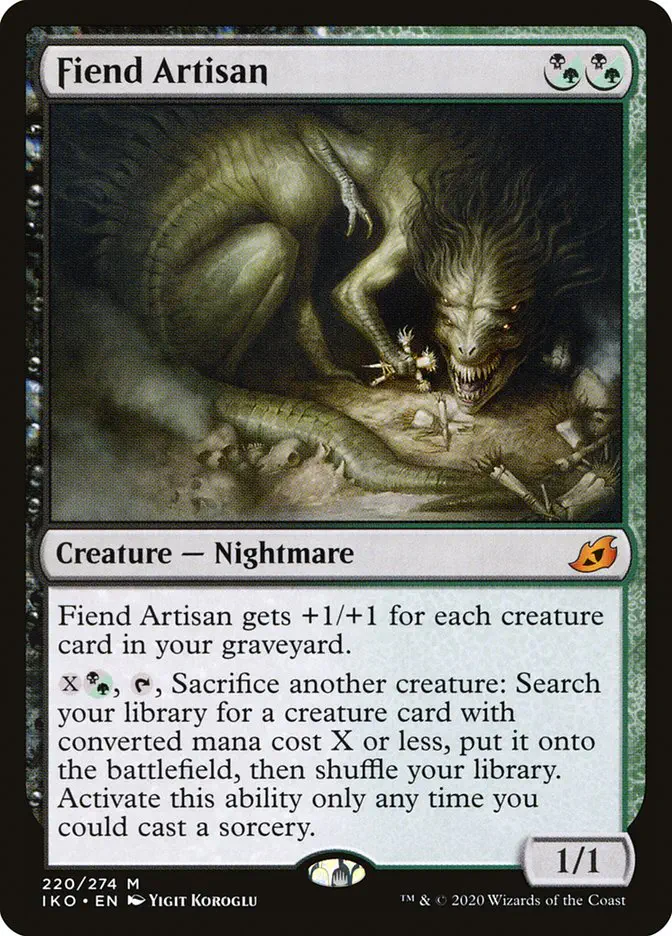
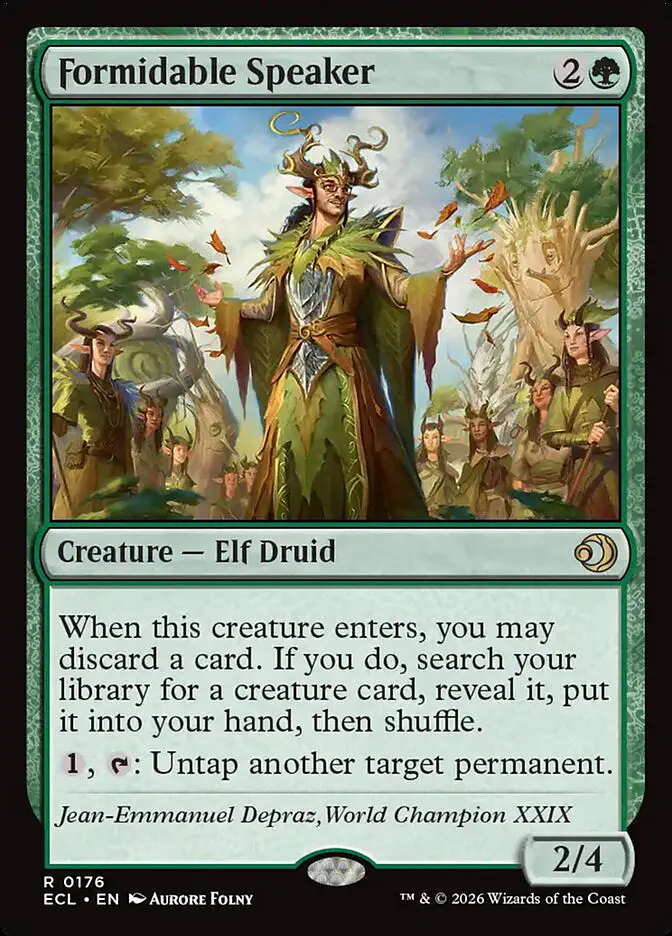
- 4 Green Sun's Zenith;
- 4 Nature's Rhythm;
- 1 Fiend Artisan;
- 1 Formidable Speaker.
This means that most opening hands contain at least one way to convert mana and creatures into whichever piece you are missing.
The Second Engine: Leyline, Cub, and Mana Creatures
One of the most common mistakes when looking at the list for the first time is assuming that Delighted Halfling, Birds of Paradise, and Dryad Arbor are just standard mana dorks. In this deck, they can become so much more.
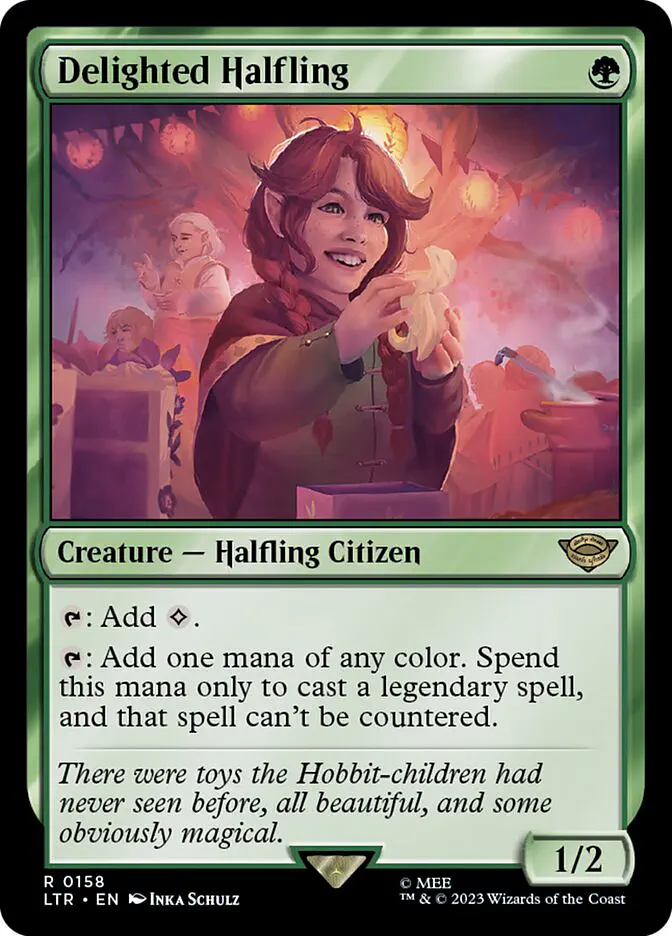
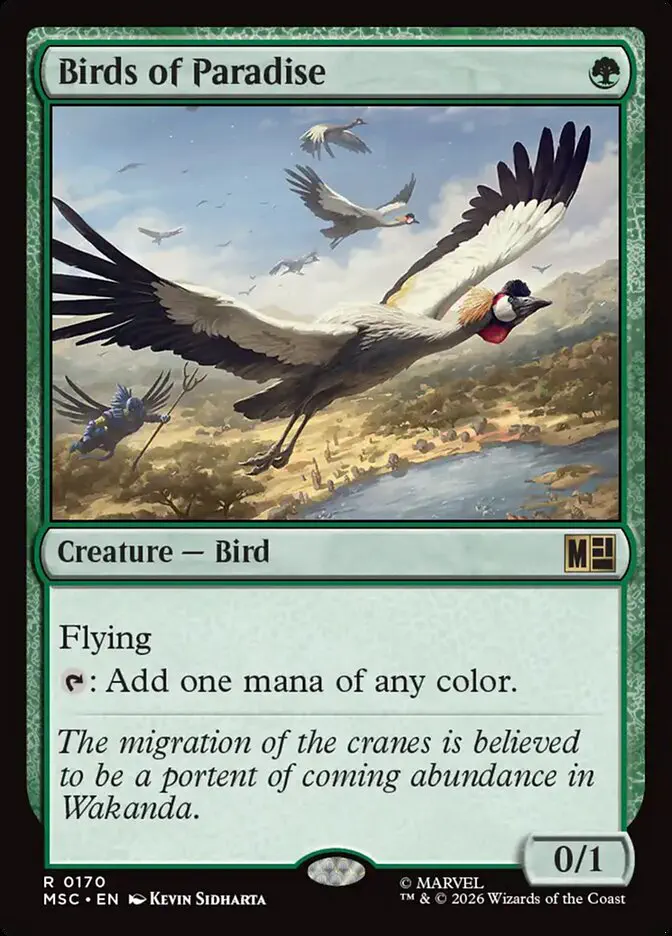
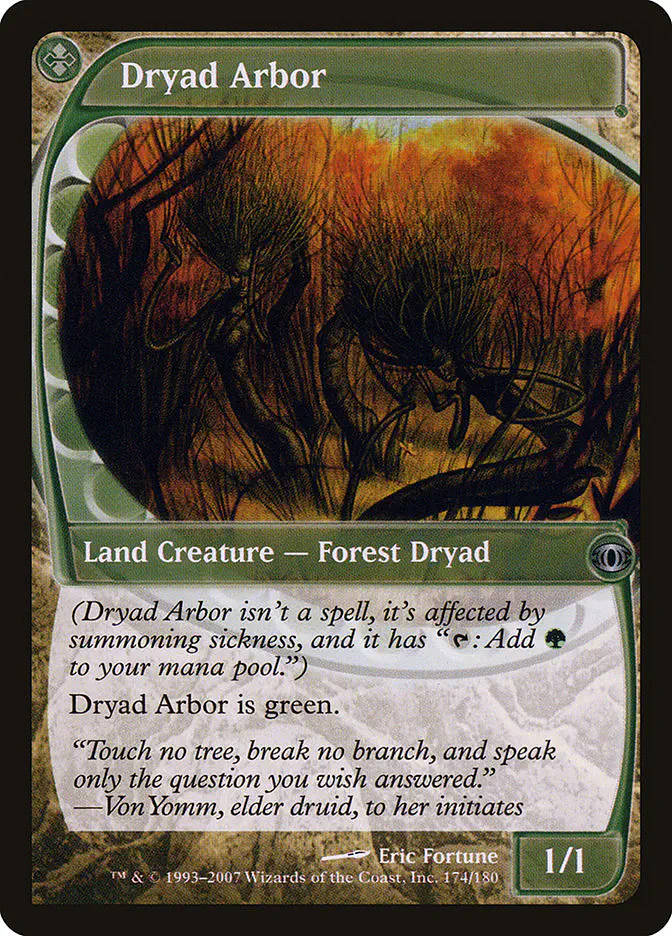
Leyline of Abundance and Badgermole Cub multiply the value of your mana producers, allowing you to build turns where every permanent added to the battlefield exponentially increases your combo potential. This is why a hand that looks like just "mana + tutor" can actually lead to a much faster kill than it appears.
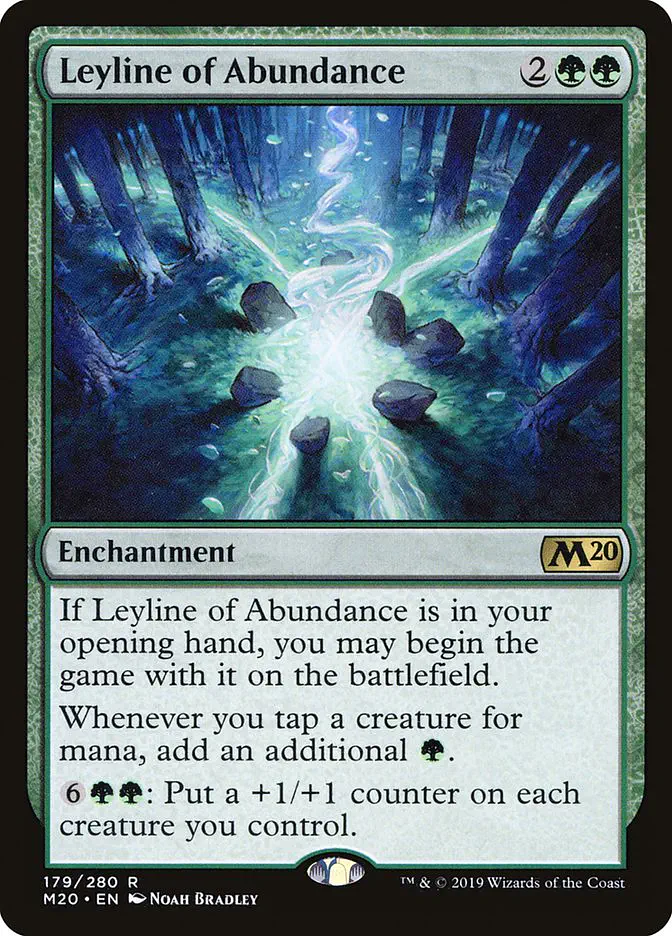
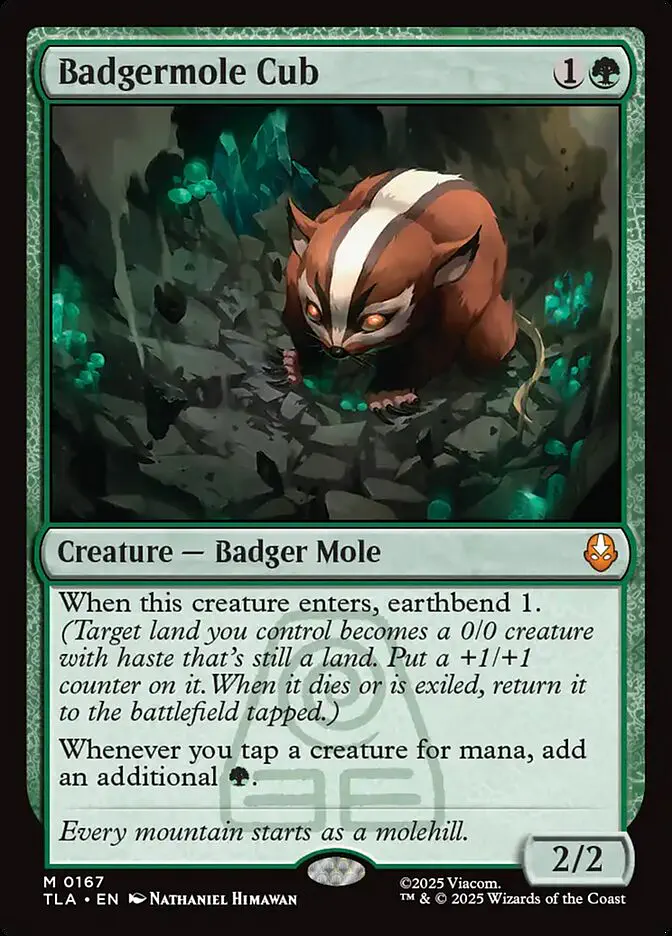
Badgermole Cub is particularly vital because it isn't just an accelerator: Earthbend lets you turn a land into an additional creature, increasing the number of permanents that can contribute to your mana production. Dryad Arbor also plays a unique role: with Green Sun's Zenith at X=0, you can search for it directly from your deck, turning Zenith into a ramp spell.
The Role of Shang-Chi
Shang-Chi, Master of Kung Fu is one of the cards that made the modern version of this deck so much more explosive. He shouldn't be viewed merely as a support creature: when paired with our mana multipliers, he can immediately contribute to combo turns and convert creatures already on the battlefield into fresh resources. For this reason, the list runs two copies of Shang-Chi, Master of Kung Fu.
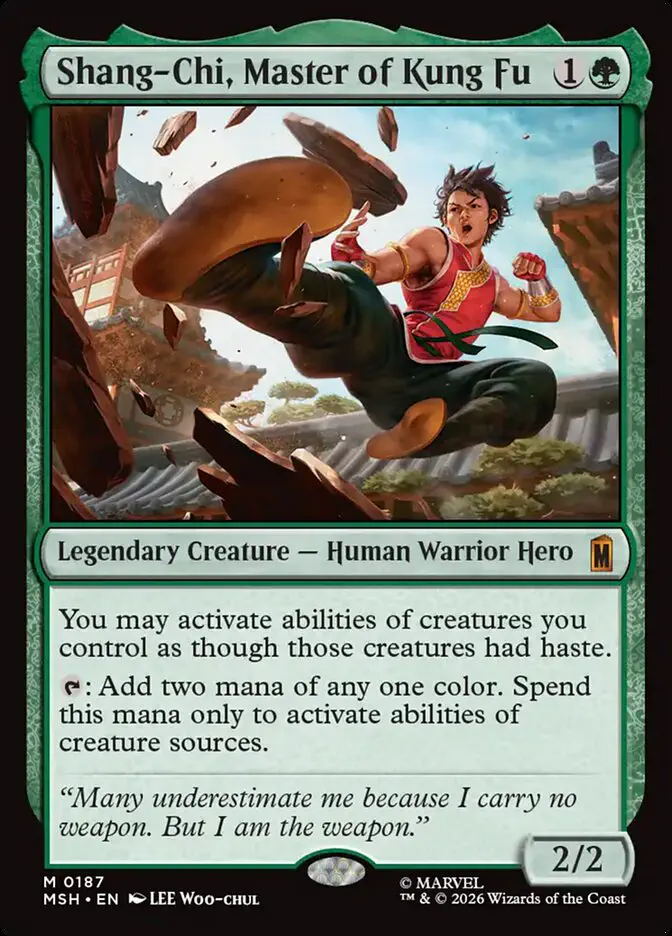

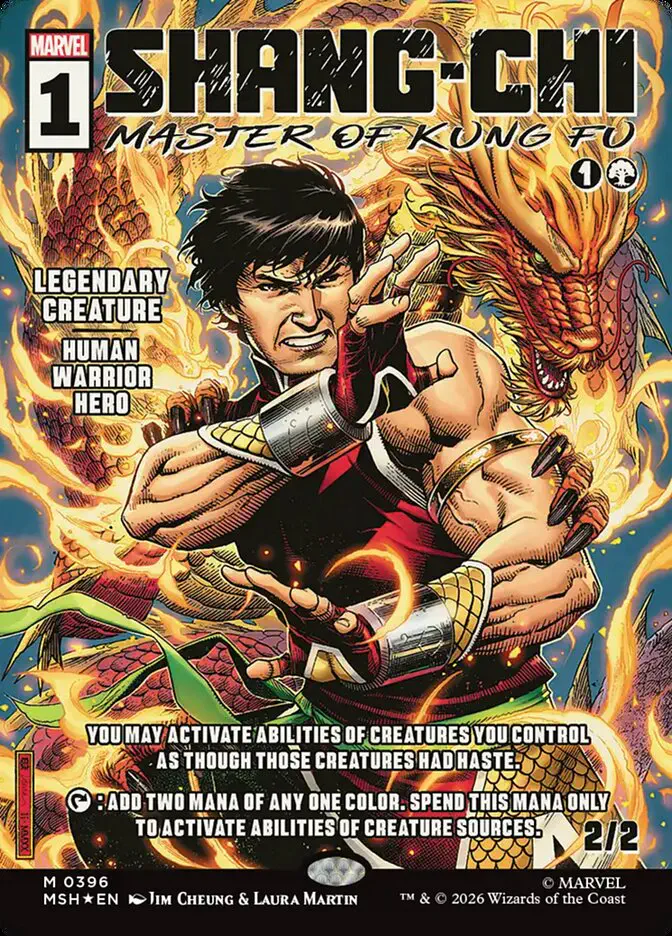
Drawing him naturally often allows you to use Green Sun's Zenith or Nature's Rhythm to tutor directly for the next piece of the sequence, instead of having to burn a tutor on Shang-Chi himself.
How Do You Win After Producing Infinite Mana?
Generating infinite mana does not automatically win you the game. Devoted Druid Combo must convert that mana into a win condition.
Duskwatch Recruiter
Krallenhorde HowlerCreature — Human Warrior Werewolf
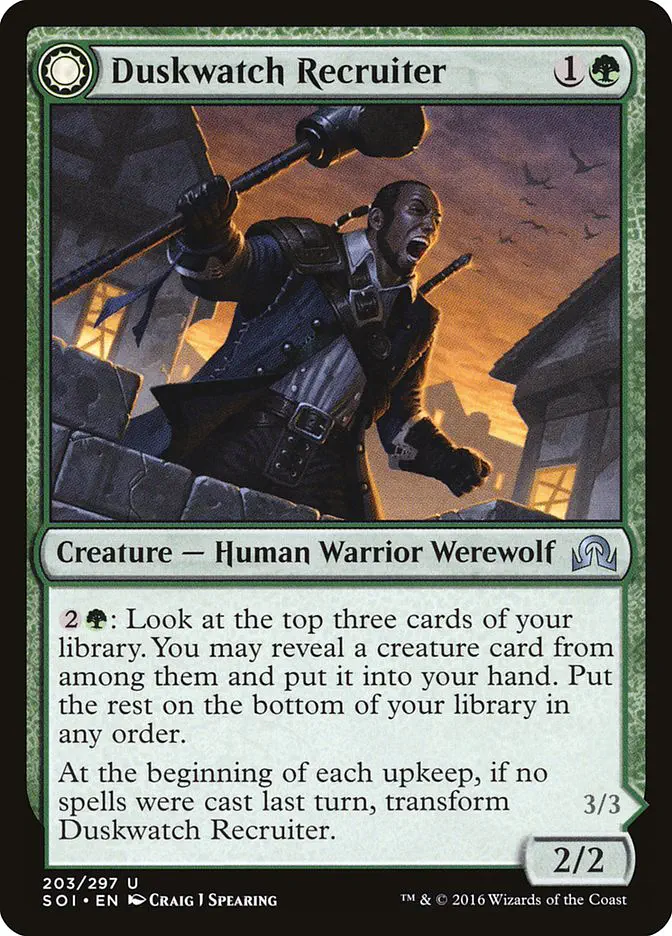
Duskwatch Recruiter
Krallenhorde HowlerCreature — Human Warrior Werewolf

 : Look at the top three cards of your library. You may reveal a creature card from among them and put it into your hand. Put the rest on the bottom of your library in any order.
At the beginning of each upkeep, if no spells were cast last turn, transform this creature.
The first option is Duskwatch Recruiter // Krallenhorde Howler. Its activated ability lets you look at the top three cards of your library and put a creature card into your hand: by repeating this with infinite mana, you can find every creature you need to build your kill.
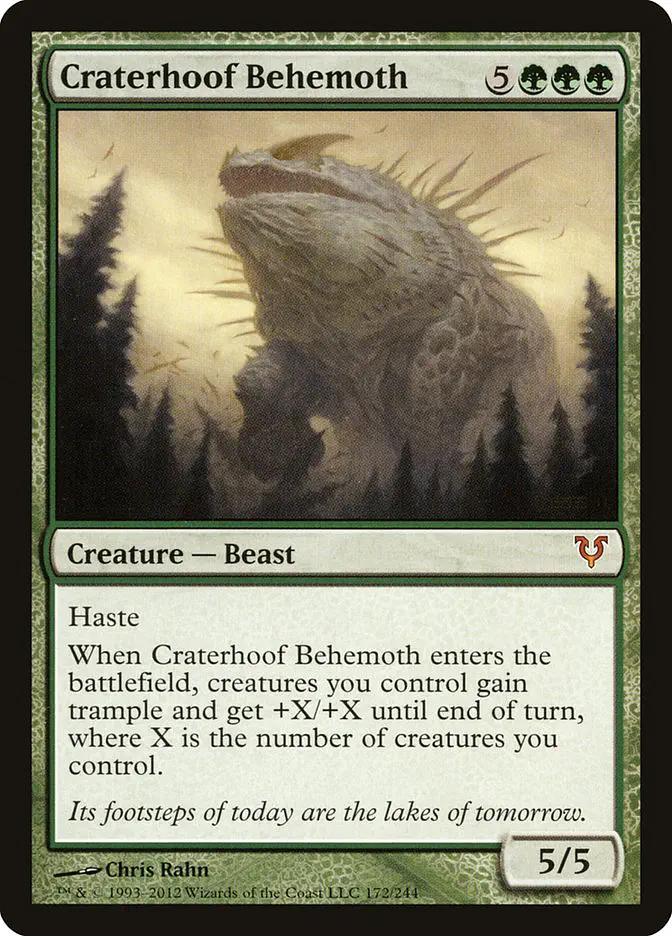
Craterhoof Behemoth
Creature — Beast

Haste
When this creature enters, creatures you control gain trample and get +X/+X until end of turn, where X is the number of creatures you control.
One of the simplest finishers is Craterhoof Behemoth: with several creatures already on board, the Behemoth immediately turns your battlefield into a lethal attack.
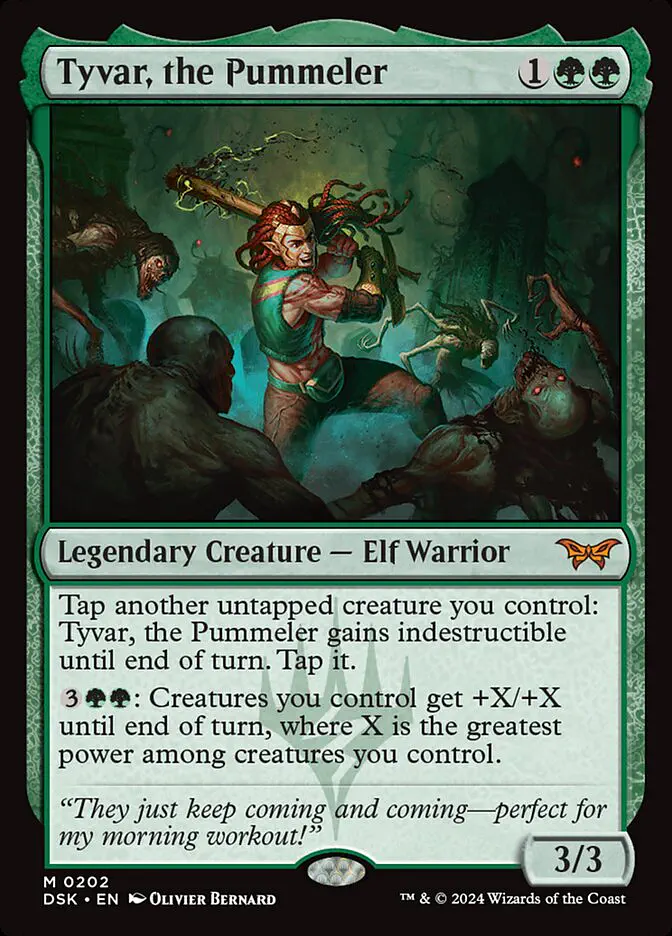
Tyvar, the Pummeler
Legendary Creature — Elf Warrior
Tap another untapped creature you control: Tyvar gains indestructible until end of turn. Tap it.
 : Creatures you control get +X/+X until end of turn, where X is the greatest power among creatures you control.
Tyvar, the Pummeler provides a second path. With specific mana setups, he allows you to pump Devoted Druid, keep untapping her, and simultaneously build up massive amounts of mana and power.
Finally, there is Leyline of Abundance: when you have access to large amounts of mana, its activated ability becomes another way to pump your board and turn a field of creatures into a lethal threat.
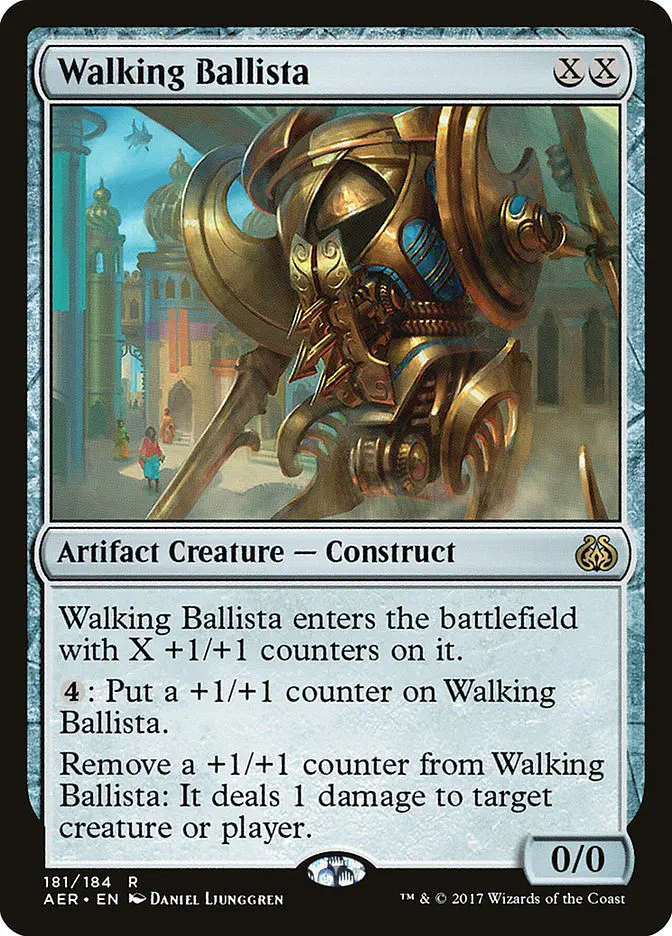
Walking Ballista
Artifact Creature — Construct

This creature enters with X +1/+1 counters on it.
 : Put a +1/+1 counter on this creature.
Remove a +1/+1 counter from this creature: It deals 1 damage to any target.
This is why the current version can afford to skip playing Walking Ballista. Ballista represents a clean win with infinite mana, but it is often a mediocre card when you haven't assembled the combo yet, and the current build prefers cards that actually do something during normal gameplay.
Competitive Decklists
Modern 2026 Devoted Druid Combo Decklist
This is the list that finished 3rd at the Magic Spotlight: The Hobbit in Dallas.

Devoted Druid Combo


The most important thing to note is the difference between the maindeck and the sideboard. The maindeck is extremely compact and redundant. The sideboard, on the other hand, is a true toolbox, featuring several singletons designed to answer specific problems without forcing us to overhaul the deck after Game 1.
To sum up, the core of Devoted Druid Combo is surprisingly rigid. Most of the 60 cards are now staples in competitive versions.
The Combo Core
The foundation consists of:
- 4 Devoted Druid
- 1 Vizier of Remedies
- 4 Green Sun's Zenith
- 4 Nature's Rhythm
A single copy of Vizier of Remedies might seem like too few, but having eight primary tutors makes it unnecessary to clog the deck with copies that would risk being terrible natural draws.
The Ramp Package
The second block is made up of:
- 4 Badgermole Cub
- 4 Delighted Halfling
- 2 Birds of Paradise
- 4 Leyline of Abundance
- 2 Dryad Arbor
These are the cards that allow the deck to pivot from a normal development turn to explosive sequences where you generate four, six, or more mana way ahead of schedule.
Tutors and Utility Creatures
Fiend Artisan and Formidable Speaker play a different role compared to the eight primary tutors. Fiend Artisan acts as a real threat in grindy matchups and allows you to convert unnecessary creatures into the exact piece you need. Formidable Speaker, on the other hand, is incredibly strong during complex turns because it can bridge mana, tutors, and creatures already on board.
These cards expand your possible lines of play without becoming completely useless when your combo plan gets slowed down.
Tyvar: Ramp and Resilience
The four copies of Tyvar, Jubilant Brawler are another fundamental pillar. Tyvar makes the deck incredibly resilient because he allows you to use your creatures' activated abilities immediately, recur key creatures from the graveyard, and generate value in interactive matchups. This means a removal spell on your first Devoted Druid doesn't necessarily lock you out of the combo.
The singleton Tyvar, the Pummeler, on the other hand, works primarily as an alternative payoff and a tool to build winning lines that do not strictly require Vizier of Remedies.
The Flex Slots
In this configuration, the maindeck flex slots are extremely minimal. The Dallas list below runs 1 Thoughtseize as proactive interaction and dedicates a few land spots to utility lands that can cash themselves in for fresh cards in long games: Horizon Canopy and Nurturing Peatland.
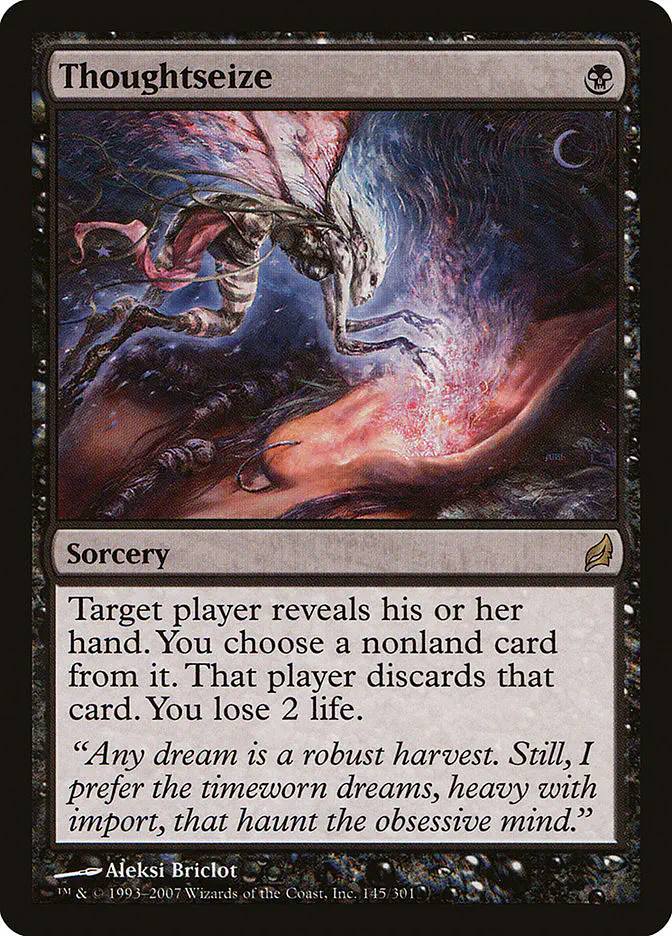
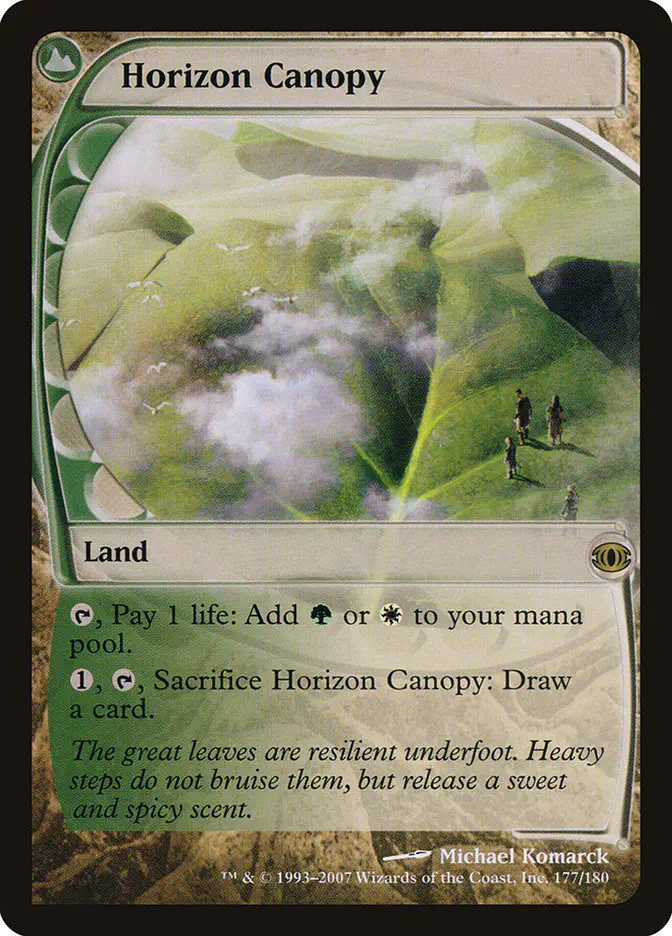
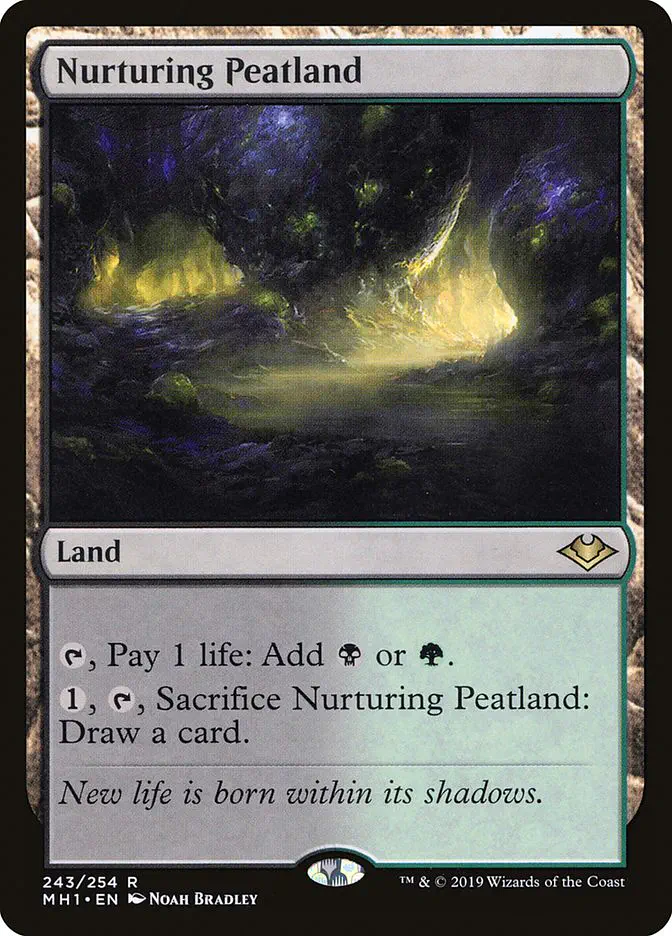
These are the exact slots you want to tweak when the metagame shifts. The guiding principle is simple: a flex card must either be useful when you are trying to combo off, or remain a solid draw if the game goes long.
Mulligan Strategy
Your mulligan strategy must prioritize speed and a clear path toward the combo, rather than raw card advantage. This is probably the most important concept for anyone picking up the deck for the first time: a seven-card hand with fine mana and playable spells that doesn't actually threaten anything is often worse than a six-card hand with Devoted Druid, a tutor, and the necessary acceleration.
At Seven Cards
At seven, you are looking for a reliable turn-three kill, or at least two key pieces accompanied by strong acceleration, or a hand with multiple Leyline of Abundance and tutors capable of producing an explosive turn.
A hand like lands + mana dork + Devoted Druid + Nature's Rhythm is exactly what you are looking for. Conversely, three lands + a dork + expensive payoffs but no Druid or tutor might look functional, but it is usually too slow.
At Six Cards
At six, you can afford to be slightly less picky. The deck has so much redundancy that a hand with ramp, access to Devoted Druid, and at least one tutor is easily better than many mediocre sevens. Don't feel like you have to chase the perfect hand here.
At Five Cards
At five, your criteria shift again. A hand that can deploy Devoted Druid or Badgermole Cub on turn two with at least one path to a tutor is usually keepable. The easiest cards to bottom are redundant payoffs, extra lands, and copies of creatures that aren't part of your primary line.
On the Play vs. On the Draw
The difference between being OTP and OTD is massive. On the play, you can keep slightly slower hands because you get the first opportunity to present a lethal threat. On the draw, especially against other combo decks, a hand that realistically aims for turn four is a huge risk.
The question you need to ask yourself is not "Can this hand cast spells?" but "Can this hand threaten a turn-three kill, or interact enough to buy us the time to get there?"
Matchups and Sideboard Guide
Devoted Druid Combo plays many Game 1s like a pure goldfish deck: your goal is to force your opponent to prove they are faster or have the right interaction immediately. Post-board, however, your plan can shift significantly.
The golden rule of sideboarding with Devoted Druid Combo is simple: do not over-sideboard and turn your deck into a mediocre midrange deck. Most of the time, you only want to bring in the bare minimum required to answer the opponent's main hate cards. Specifically, on the play, it is often correct to sideboard very minimally, whereas on the draw, you can afford to bring in a bit more interaction.
Boros Energy
Against Boros Energy, Game 1 is a straight race. Leyline of Abundance is stellar here because it quickly boosts all of our mana dorks and bypasses standard creature removal. Delighted Halfling can also absorb some of the early pressure. However, think twice before playing Boseiju, Who Endures as a land, and make sure you have at least one basic Forest available to play around Blood Moon.
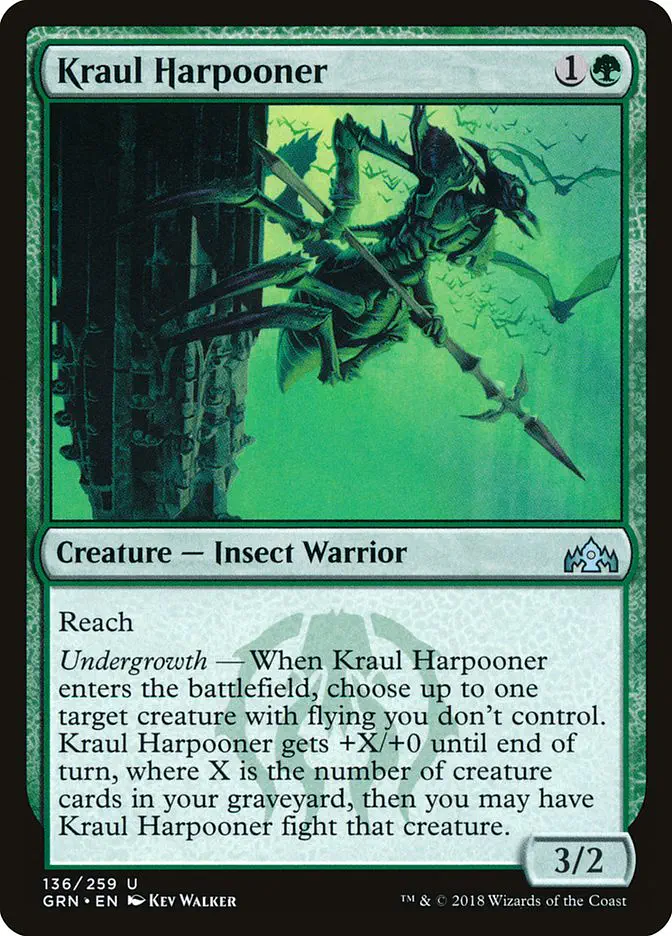
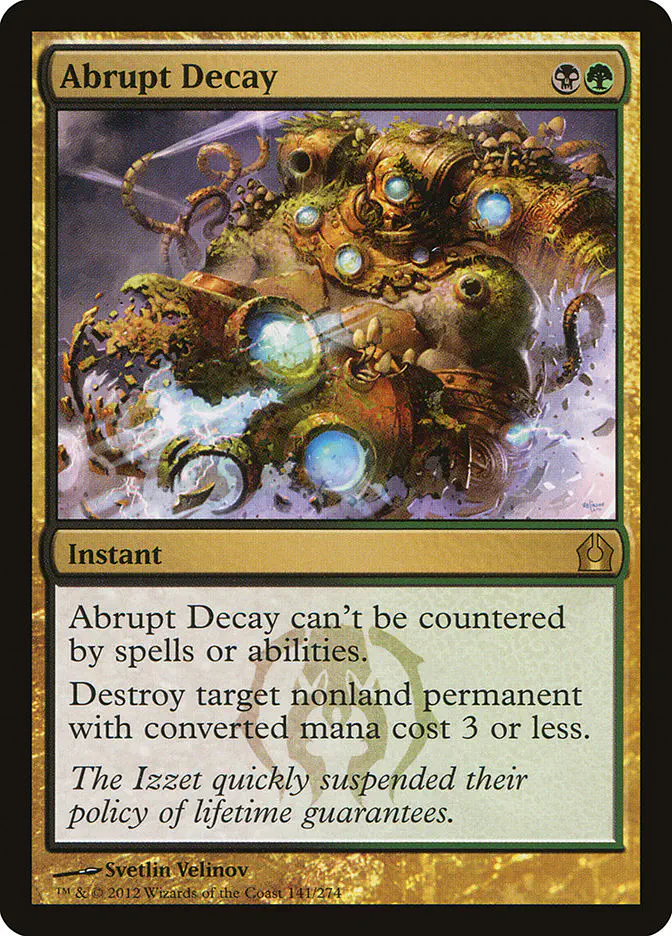
Post-board, the biggest hurdle is Clarion Conqueror. Kraul Harpooner is primarily in the sideboard because we can tutor for it when Clarion is shutting down our main lines. Abrupt Decay should be saved as much as possible for truly problematic permanents, especially Clarion and Goblin Bombardment.
IN: 3 Abrupt Decay 1 Crystal Barricade 1 Kraul Harpooner 1 Fatal Push
OUT (approximate): 1 Dryad Arbor or Gemstone Caverns (depending on play/draw) 1 Birds of Paradise 1 Shang-Chi, Master of Kung Fu 1 Green Sun's Zenith 1 Thoughtseize 1 additional accelerator if needed
The goal is to answer Clarion Conqueror and Goblin Bombardment without sacrificing too much speed.
Esper Goryo
Esper Goryo also starts out as a race, but they run significantly more interaction. The key is not to slow yourself down too much out of fear of Solitude or Force of Negation: forcing them to 2-for-1 themselves to stop your combo is often exactly where you want to be.
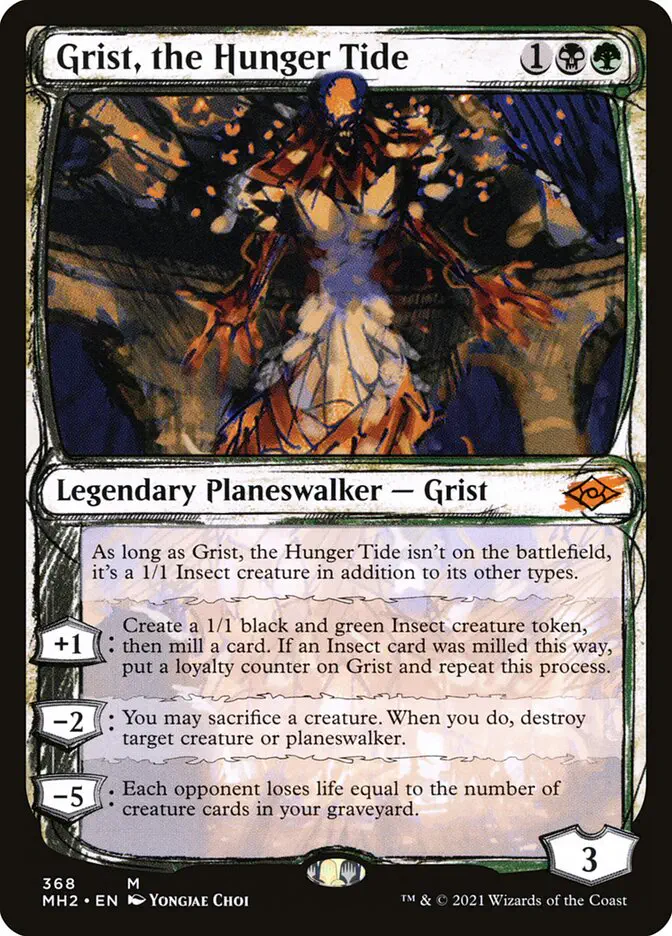
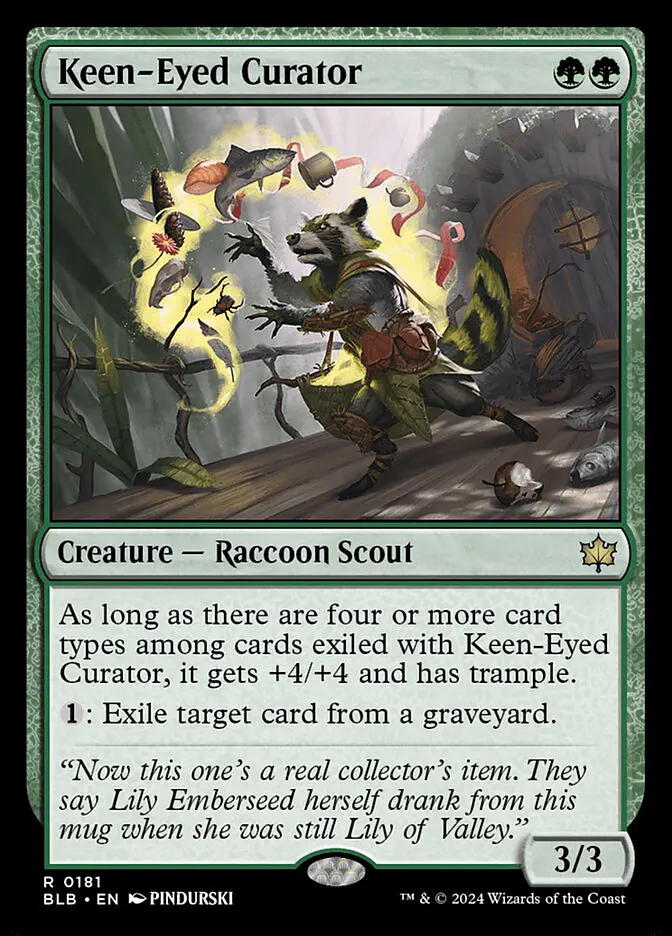
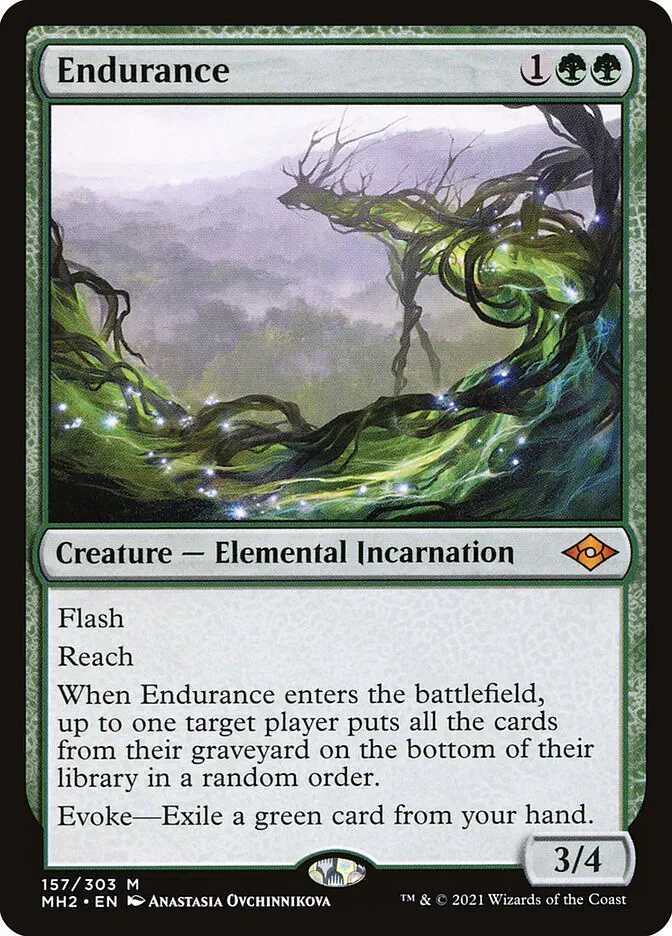
Post-board, games can go much longer. In those scenarios, Grist, the Hunger Tide, Keen-Eyed Curator, Endurance, and your removal spells allow you to play a real game of attrition before assembling the combo again.
IN: 3 Abrupt Decay 1 Endurance 1 Keen-Eyed Curator 1 Grist, the Hunger Tide 1 Thoughtseize 1 Vexing Bauble
OUT: 4 Leyline of Abundance 2 Birds of Paradise 1 Shang-Chi, Master of Kung Fu 1 Gemstone Caverns
Here we accept slowing down slightly because the opponent has numerous ways to disrupt a combo that is exposed too early.
Affinity
We are generally the faster combo deck against Affinity. The issue arises when the opponent lands artifacts that lock out our combo entirely. This is why the sideboard features Guerrilla Gorilla, Reclamation Sage, and Force of Vigor.
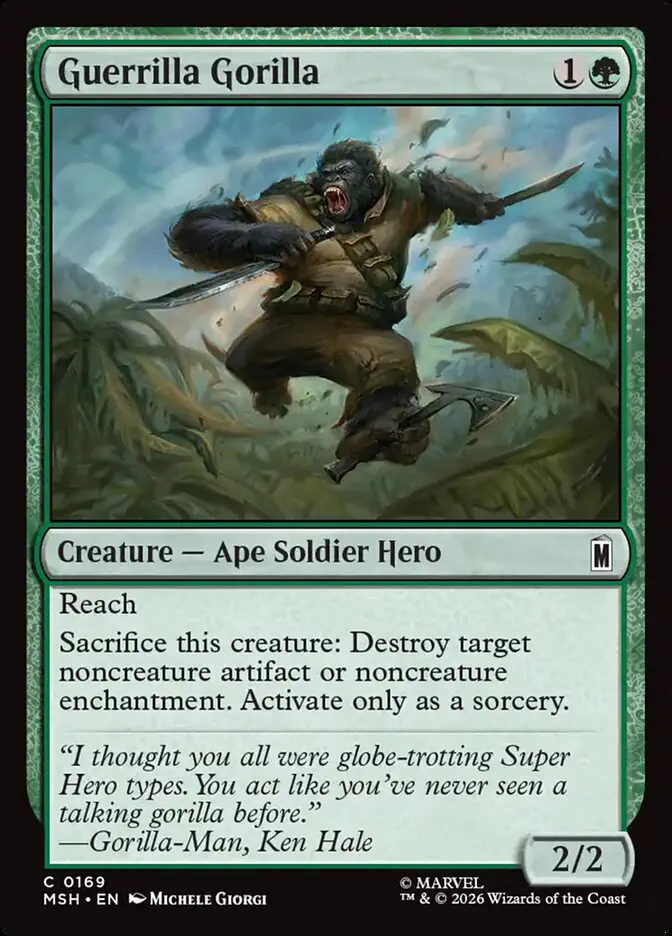
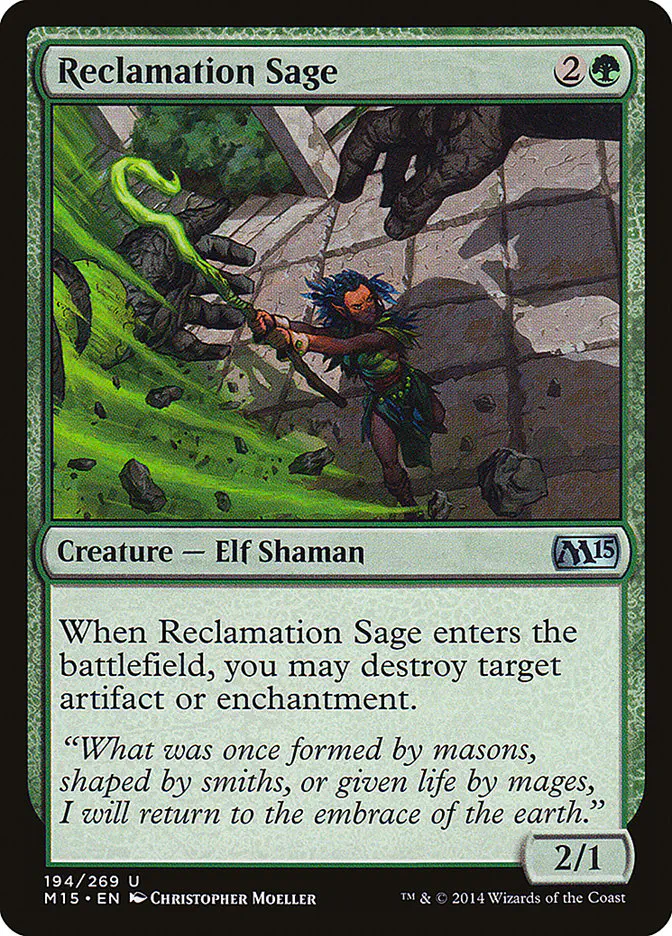
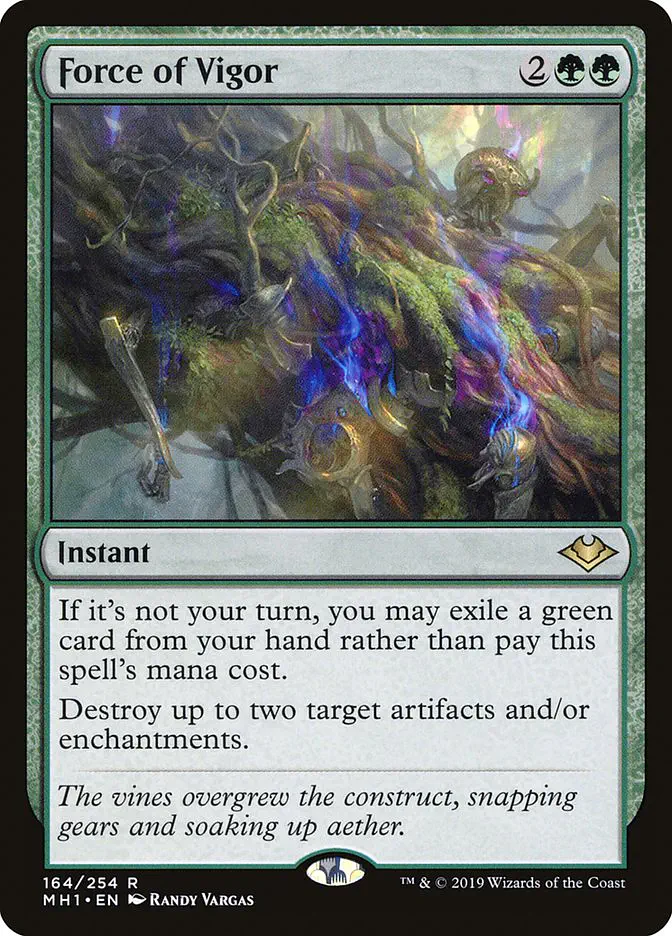
The important lesson here is not to try and blow up every single artifact: destroy the one that's stopping you from winning, then pivot right back to Plan A.
IN: 1 Guerrilla Gorilla 1 Reclamation Sage 1 Force of Vigor 1 Vexing Bauble (especially OTP)
OUT (approximate): 1 Gemstone Caverns OTP / 1 Dryad Arbor OTD 1 Tyvar, the Pummeler 1 Delighted Halfling 1 flex slot
Don't try to play a control game: blow up the piece blocking your combo and win.
Broodscale
Against Broodscale, we are usually the faster combo deck. In Game 1, you want turn-three hands and little else. Post-board, Abrupt Decay is incredibly efficient because it answers several critical permanents without forcing us to dilute our deck with highly narrow hate. The goal remains the same: interact only as much as necessary to buy yourself the turn you need to win.
IN: 3 Abrupt Decay 1 Reclamation Sage
On the draw, you can also bring in: 1 Thoughtseize
OUT (approximate): 1 Tyvar, the Pummeler 1 Delighted Halfling 1 Gemstone Caverns OTP / Dryad Arbor OTD
1 redundant tutor or mana producer
Amulet Titan
Amulet Titan is another pure race. On the play, Devoted Druid Combo is usually in a fantastic spot. On the draw, it becomes much more crucial to disrupt them with Thoughtseize, blow up Amulet of Vigor, or deal with post-board hate. This is where Guerrilla Gorilla, Force of Vigor, and Reclamation Sage let you interact without diluting the core of your deck.
IN: 1 Force of Vigor 1 Guerrilla Gorilla 1 Reclamation Sage 1 Thoughtseize
On the draw, you can also add: 1 Abrupt Decay
OUT: 1 Gemstone Caverns 1 Green Sun's Zenith 1 Tyvar, the Pummeler
On the draw, you can also cut: Green Sun's Zenith
The goal is to buy a single turn, not to completely lock them out of the game.
Ruby Storm
Against Ruby Storm, Game 1 is all about doing what our deck does best: winning as fast as possible. Post-board, however, the opponent might slow down to bring in more interaction. If they do, we can afford to use Abrupt Decay on their primary enablers and Endurance to disrupt specific graveyard-based lines.
This rule is also useful in other combo matchups: when the opponent slows down to interact with us, we can slow down slightly too.
IN: 3 Abrupt Decay 1 Endurance 1 Thoughtseize
OUT (approximate): 1 Gemstone Caverns OTP / Dryad Arbor OTD 1 Green Sun's Zenith 1 Tyvar, the Pummeler 1 Underground Mortuary 1 redundant mana producer
Prowess
Prowess is one of our toughest matchups. The issue isn't just their speed, but their combination of clock and a high density of one-mana interaction. A Devoted Druid that has already shaved its own toughness is incredibly vulnerable to cheap removal, and they can easily apply pressure while holding up interaction.
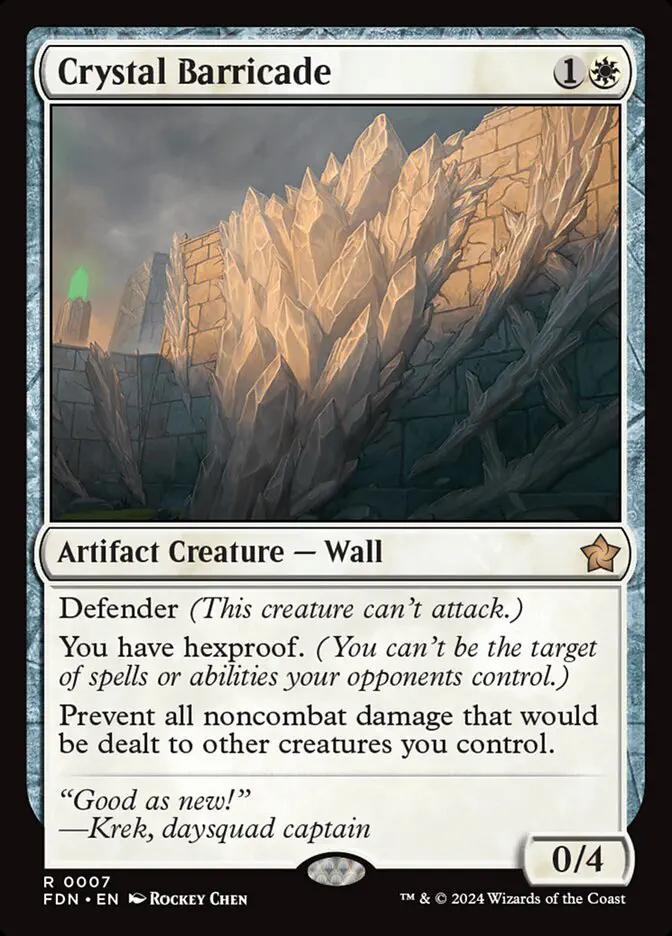
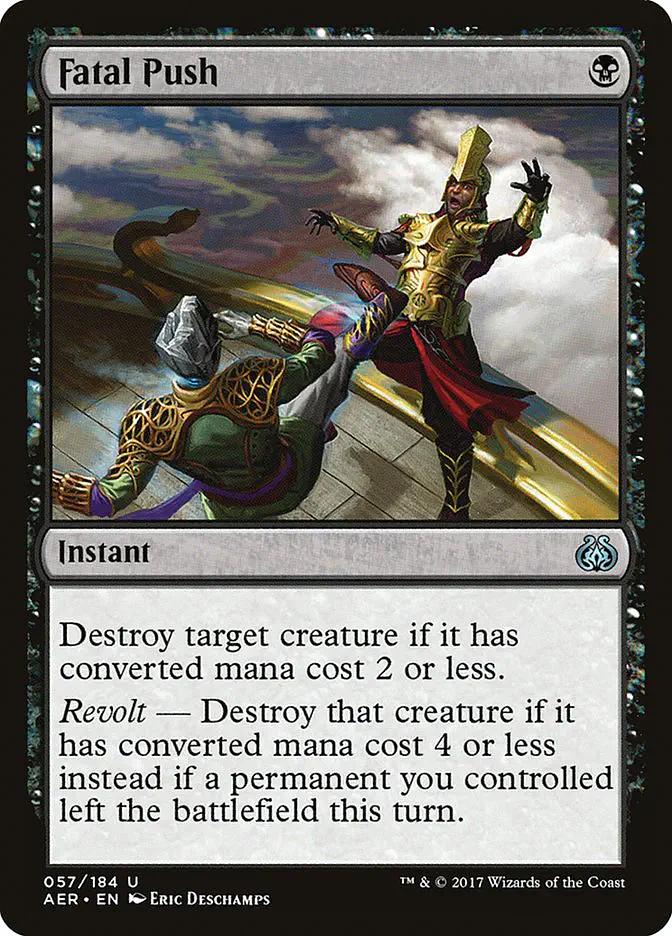
Here, Crystal Barricade is massive because it lets you set up a protected combo turn. Fatal Push and potentially Abrupt Decay can help slow down their early pressure.
IN: 1 Crystal Barricade 1 Fatal Push 1 Endurance
Abrupt Decay can come in if their build relies on permanents that require a cleaner answer.
OUT: Birds of Paradise is one of the first cards to trim, along with a Dryad Arbor and, on the play, potentially Gemstone Caverns.
Devoted Druid Combo Mirror
The mirror match is perhaps the clearest example of how critical your mulligans are. In Game 1, being on the play is a massive advantage, and any hand without a clear path to a turn-three kill should be mulliganed aggressively.
Post-board, removal and hand disruption come in: Abrupt Decay, Fatal Push, and the second Thoughtseize. On the play, you can keep prioritizing speed. On the draw, however, the value of having at least one interactive spell alongside a Devoted Druid or a tutor goes up significantly.
IN: 2-3 Abrupt Decay 1 Fatal Push 1 Thoughtseize
OUT: 1 Gemstone Caverns OTP / Dryad Arbor OTD 1 Tyvar, the Pummeler 1 slow utility card redundant tutor on the draw if needed
These are general guidelines: always adapt your sideboarding based on the specific cards you actually see from your opponent.
How to Play Devoted Druid Combo: Mistakes and Tips
1. Don't Keep a Hand Just Because It Makes a Lot of Mana
A hand with Leyline of Abundance, mana dorks, and lands might look impressive, but if it has no access to Devoted Druid, a tutor, or a real finisher, it risks doing absolutely nothing. Mana without a payoff is not a combo.
2. Don't Just Slam Devoted Druid at the First Opportunity
Against non-interactive decks, slamming Devoted Druid on turn two is completely fine. Against Esper Blink, Esper Goryo, or other heavy-removal decks, always ask yourself: "What do I do next turn if this Druid dies?" If the answer is "nothing," you should probably develop another resource first.
3. Keep Vizier Accessible
You only run a single copy of Vizier of Remedies. If she ends up in the graveyard, we still have ways to recur or shuffle her back. If she gets exiled, however, executing our primary plan becomes much harder. Do not run Vizier out into play for no reason against decks running Solitude or other exile effects.
4. Green Sun's Zenith Isn't Just a Combo Tutor
One of the simplest yet most important lines is casting Green Sun's Zenith for X=0 to grab Dryad Arbor. In mana-light hands, Zenith acts as ramp. Later in the game, it can serve as a combo piece, a payoff, a post-board silver bullet, or simply a utility creature.
5. Treat Shang-Chi as a Mana Source
Shang-Chi, Master of Kung Fu is not a card you just hold onto for the late game. Many of the fastest kills are made possible because Shang-Chi lets you convert a modest board into an enormous mana advantage. When mapping out your lines, always ask yourself if tutoring for Shang-Chi before your final payoff will generate enough resources to keep your chain going.
6. Do Not Over-Sideboard
This is easily the most common pitfall. With fifteen sideboard cards and a library of silver bullets, it is incredibly tempting to bring in six, seven, or eight cards in every matchup. But every card you bring in means removing a piece of the engine that makes the deck so consistent in the first place. Especially on the play, if your turn-three kill is faster than whatever your opponent is doing, your best strategy is often to just execute your game plan.
Conclusion
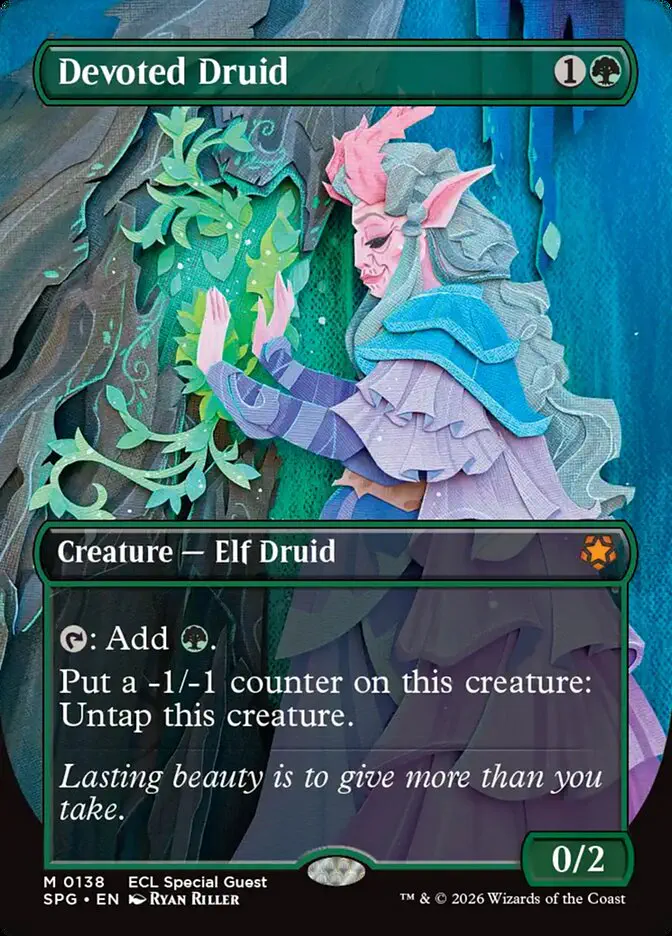
Devoted Druid Combo in modern Modern is no longer just the old deck reliant on Devoted Druid, Vizier of Remedies, and a dedicated win condition. The current build features eight primary tutors, a powerful ramp shell with Badgermole Cub and Leyline of Abundance, Shang-Chi, Master of Kung Fu to maximize explosiveness, and various payoffs capable of translating infinite mana into a win.
The defining characteristic of this deck is redundancy. If you don't have Vizier of Remedies, there are alternative lines. If your first Devoted Druid dies, Tyvar, Jubilant Brawler helps you rebuild. If the combo gets shut down, Craterhoof Behemoth, Tyvar, the Pummeler, or just attacking with your creatures can easily get the job done.
To start playing the deck effectively, you don't need to memorize every single complex line right away. You just need to master three core concepts: recognizing a turn-three hand, understanding how much mana your board actually produces, and staying focused on Plan A.
Once you have those basics down, the more complex lines will start coming to you naturally.
Alex