
The Banlist. As if Brackets weren’t divisive enough already, what other topic has brought more drama to the Commander world than the format’s ban hammer?
Today, we’re breaking down the best reasons provided to explain why some cards are banned, to better understand what the Commander Format Panel (CFP) aims for in Commander.
Since there isn’t a direct answer, or a single article to point to, to determine what the CFP hopes to achieve as guidance for the format, we must instead look at the decisions it has made to better visualize what its authoritative voice is saying.
This, and also because it's rather convenient to have an updated list of why certain cards are banned. I’ll be referencing various sources, but this and the next are, in spirit, where we’ll be starting.
Eight of the Power Nine
Ancestral Recall, Black Lotus, Mox Emerald, Mox Jet, Mox Pearl, Mox Ruby, Mox Sapphire, and Time Walk.
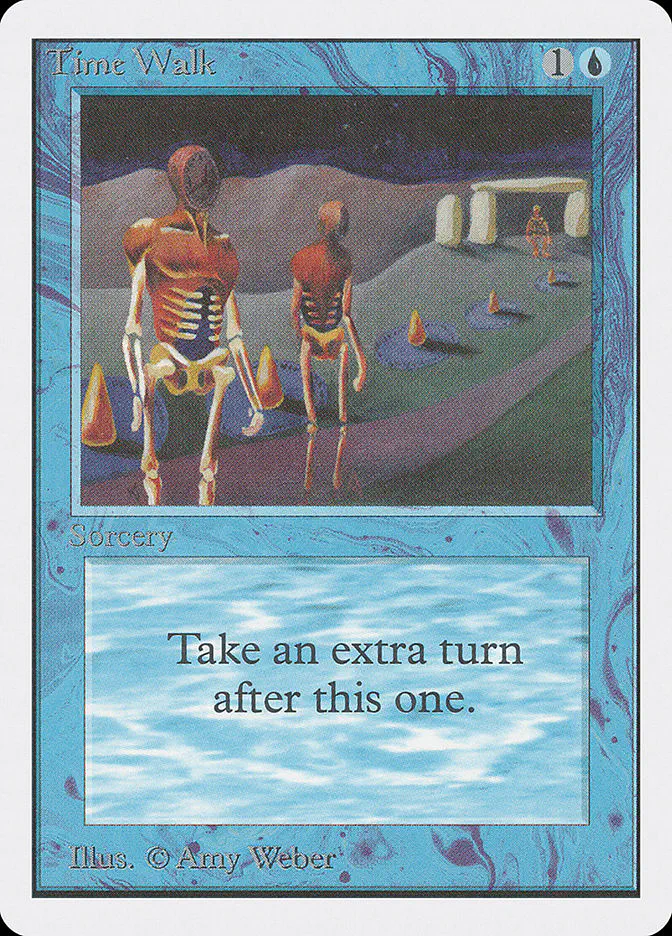
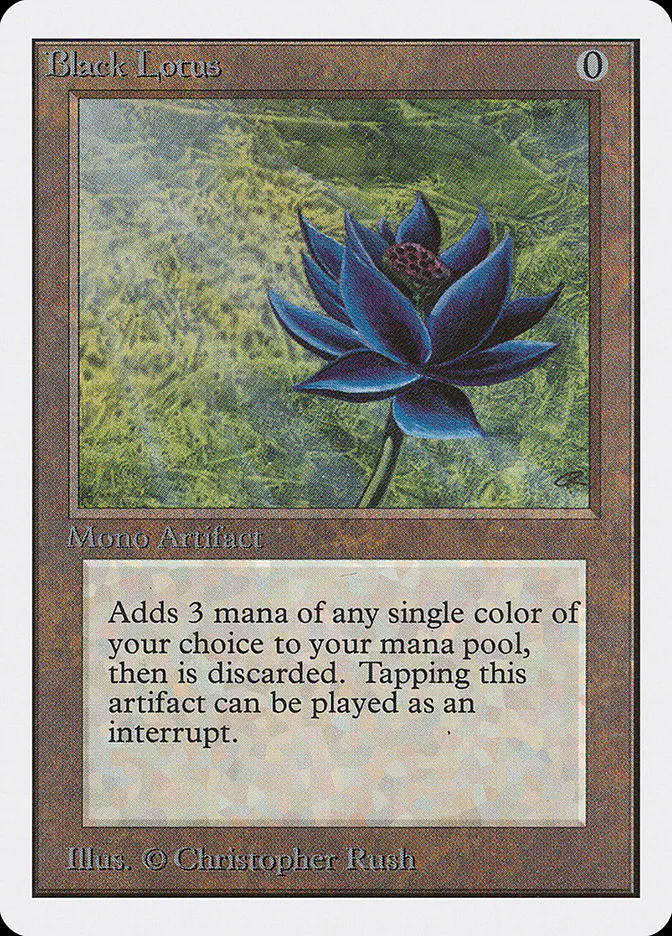
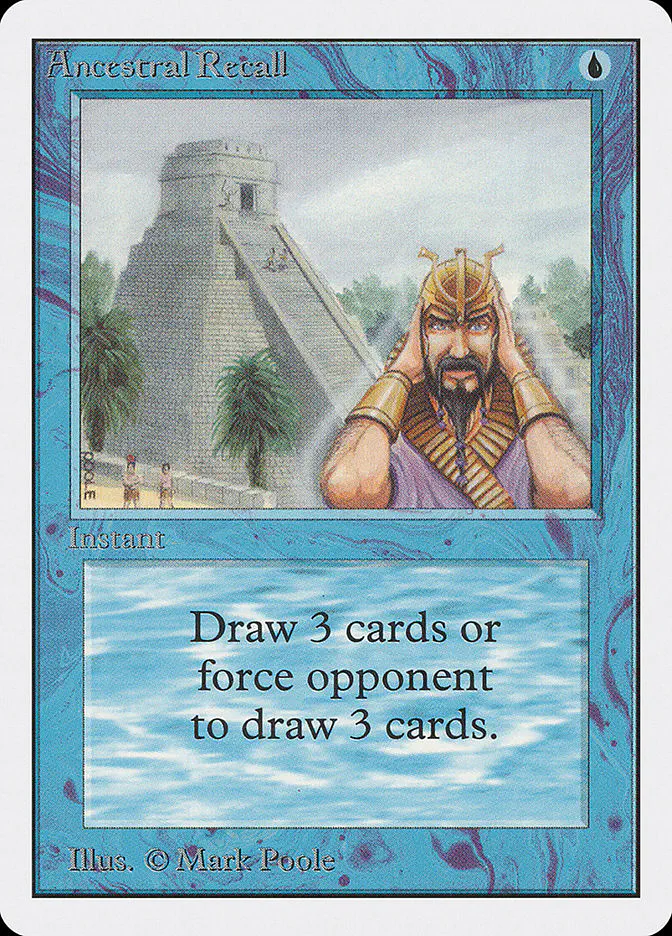
What else is there to say? These eight cards are some of Magic’s most powerful spells and are banned in almost every format, restricted mostly to the narrow spaces of Vintage. The CFP has very little desire to declare anything specific about these cards, and so there’s also very little to talk about.
Timetwister is the lone Power Nine card not banned in Commander. Nothing really beats free mana or ultra-low-cost draw/extra turn spells, but Timetwister’s effect is common enough, though often replaced by far cheaper effects ala Time Spiral, allowing players to refill their hand and continue their turn without losing momentum.
Too Strong or Too Powerful for Commander
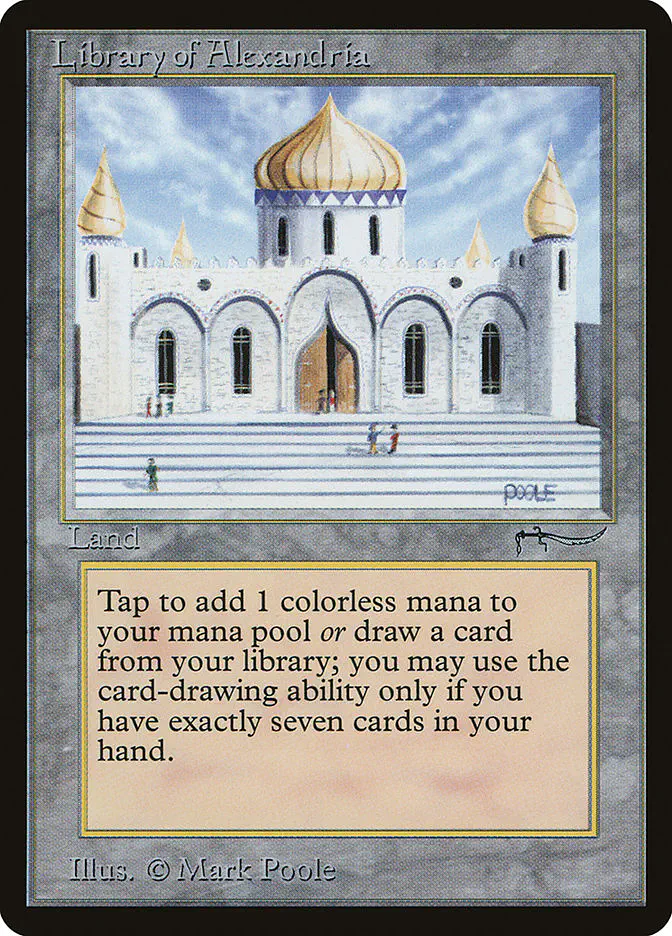
Channel, Chaos Orb, Fastbond, Karakas, Library of Alexandria, Mana Crypt, Recurring Nightmare, Rofellos, Llanowar Emissary, Time Vault, Tinker, and Tolarian Academy.
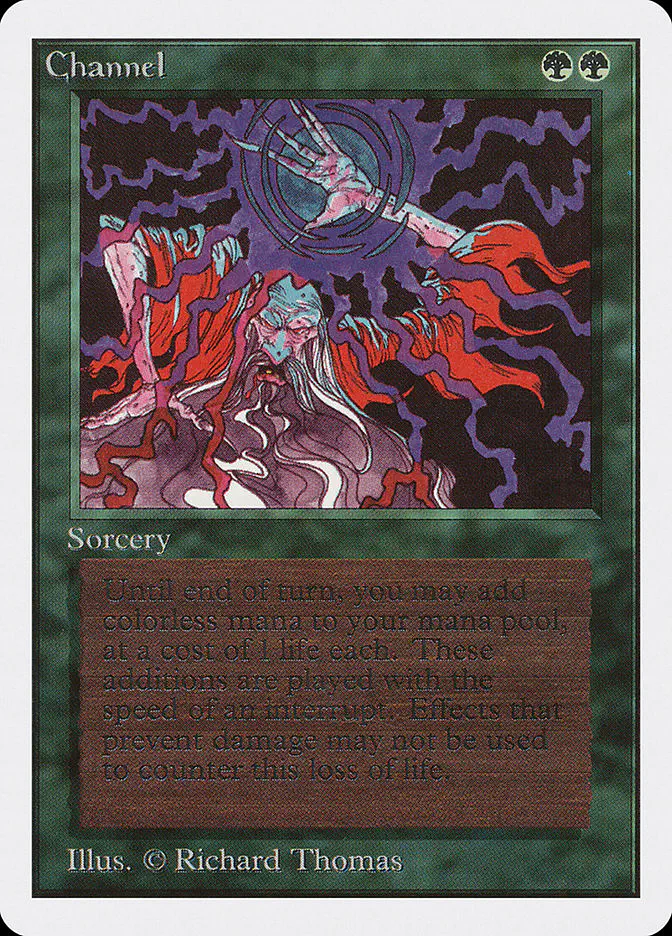
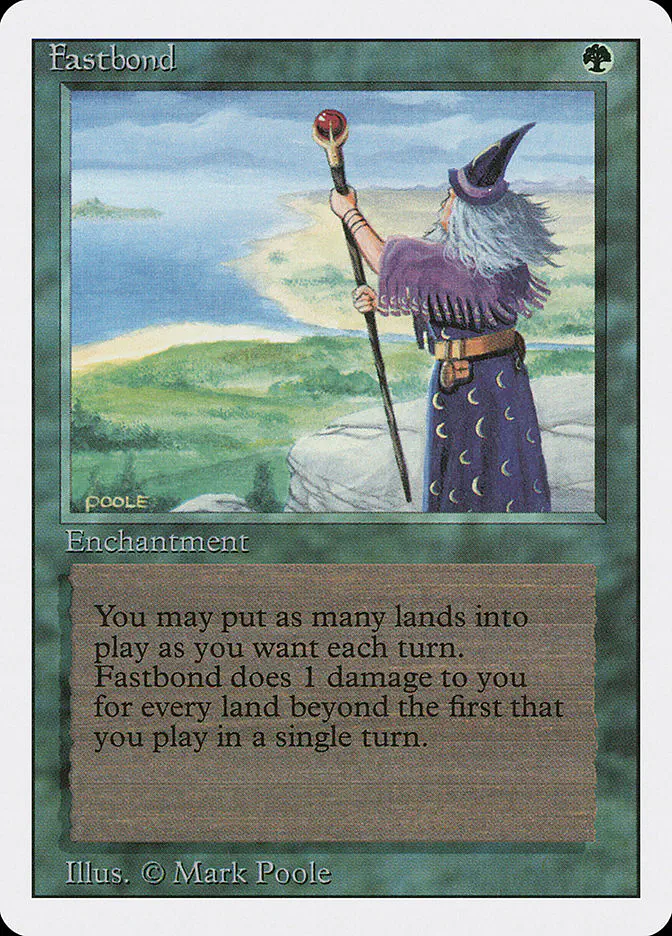
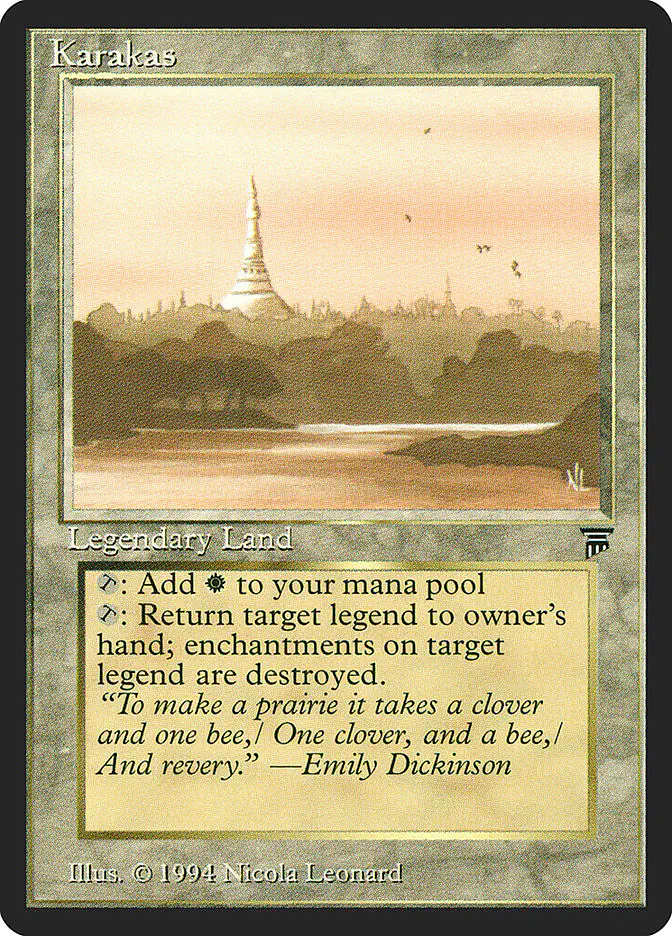
These cards are banned for how strong they are on their own, before players even begin to consider how to further exploit their raw power.
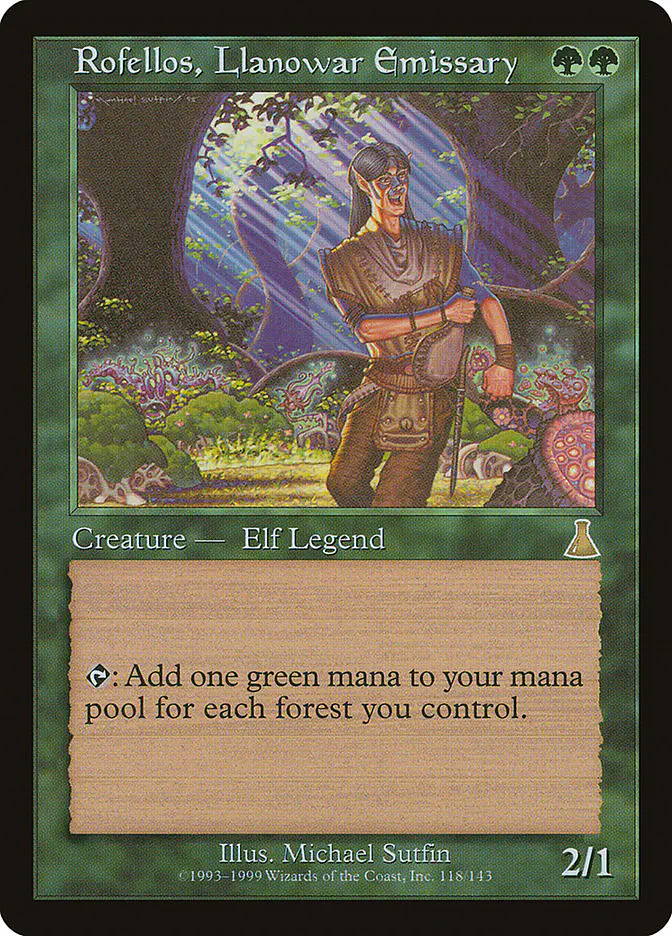
Take Rofellos, Llanowar Emissary for example. Since the CFP has yet to follow through on its threat of creating a further sub-banlist like the one applied to Rofellos, Llanowar Emissary, he is simply too strong as a commander and thus is unilaterally banned across all of Commander.
Channel and Fastbond are extremely strong considering Commander’s starting life total and thus incompatible with the CFP’s vision for the format. Karakas and Library of Alexandria are considered “auto-includes” in decks that can play them, which would already be problematic enough, but they are also unfavorable given how hard cards like Library of Alexandria or Time Vault are to obtain.
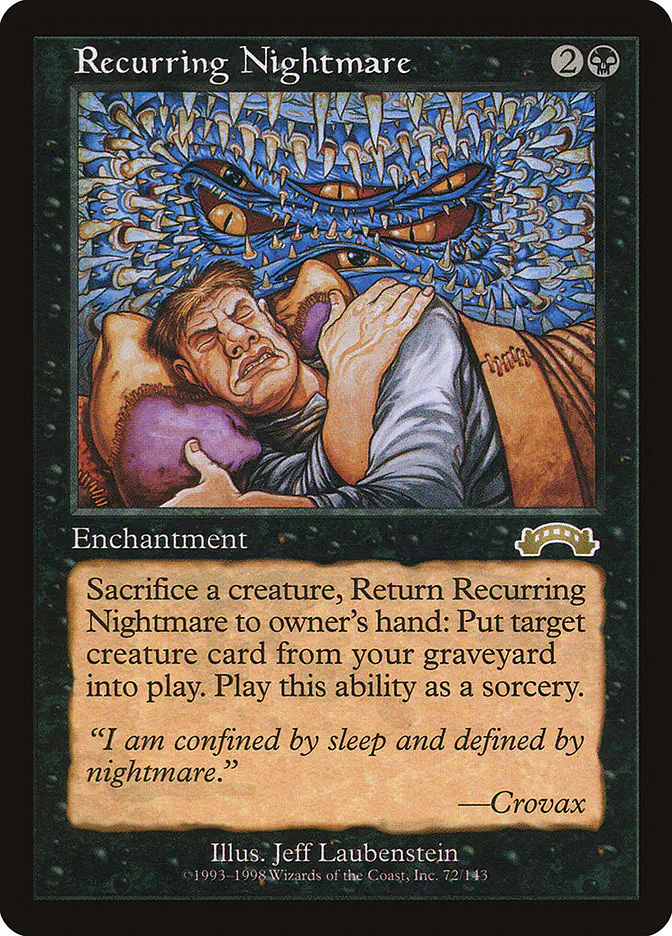
Tinker and Tolarian Academy also fall into the “auto-include” territory for artifact decks with blue identity. Recurring Nightmare is the ultimate reanimator strategy card, as easy as its combos are to break, and as easily as it avoids removal since its activation cost bounces the enchantment to hand.
Chaos Orb, as legendary as its mythology may be, is rather clunky to resolve and does not represent a playstyle the CFP wishes to support. Simply put, the Orb is not friendly from an accessibility standpoint for all players and requires a level of dexterity the CFP doesn’t want to promote.
And then there's Mana Crypt. Whatever my reservations about this particular philosophy, Mana Crypt has been deemed too fast and too ubiquitous for Commander. Any deck can play it, and for a format that already seeks to end the game around turn six on average, giving a player an additional one or two turns of mana with, effectively, no drawback is problematic.
At present, there has been no official declaration hinting at a possible unban of Mana Crypt.
Commander Cards that are Pretty Broken
Flash, Trade Secrets, and Dockside Extortionist.
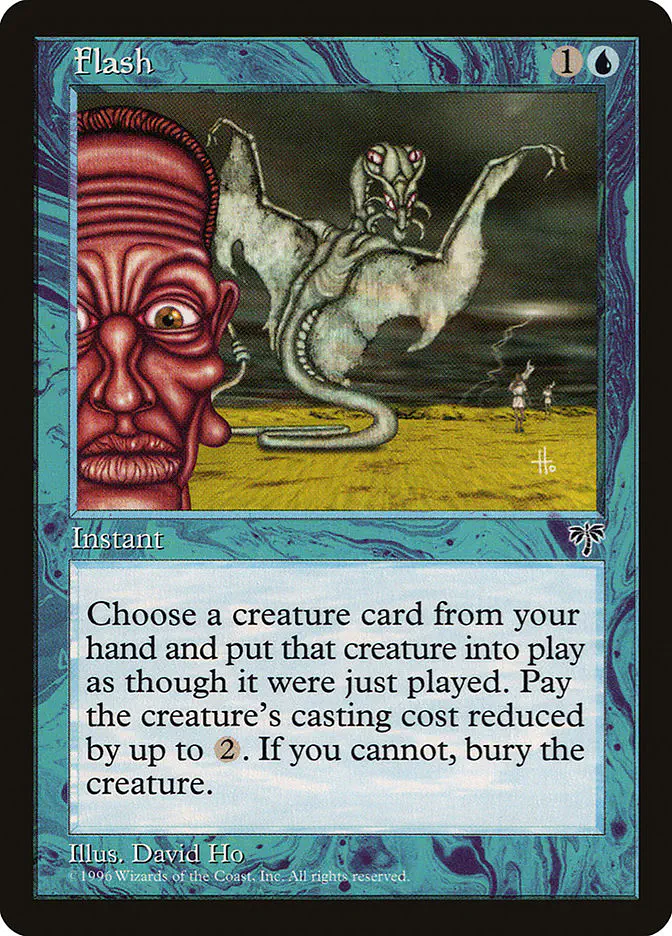
Flash heavily warped the cEDH meta, with most matches ending in some version of the Flash plus Protean Hulk combo. Though more casual tables didn't see it as often, Flash will only become more broken as time goes on, as stronger creatures continue to be printed.
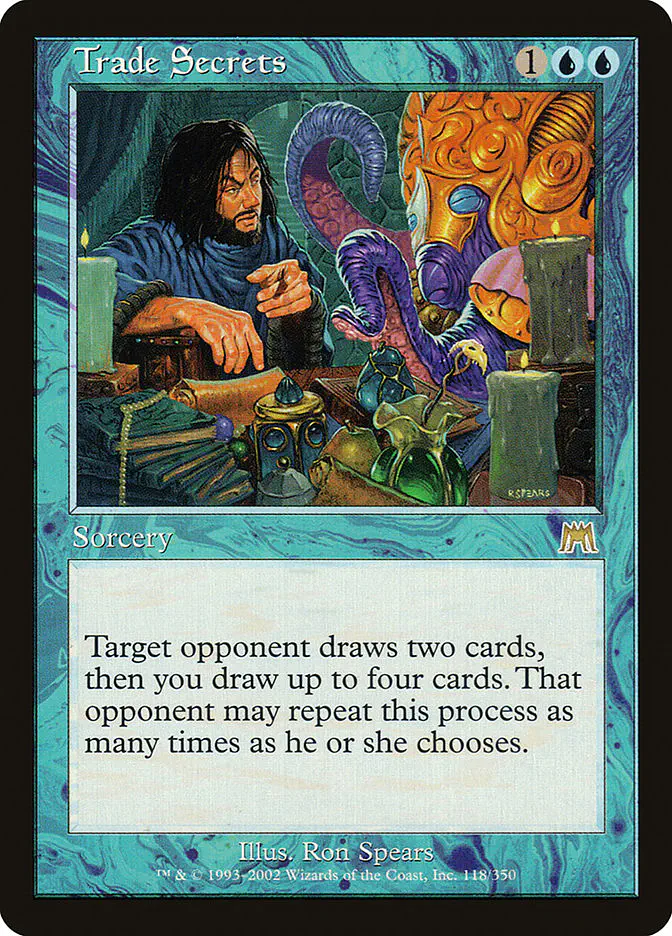
Trade Secrets promotes collusion, in which two players effectively strike a deal to end the game on the spot on their own terms. Though the card isn't strong in a conventional sense, it promotes a playstyle the CFP does not want to encourage, as also seen in the reasoning behind Consecrated Sphinx's Game Changer status.
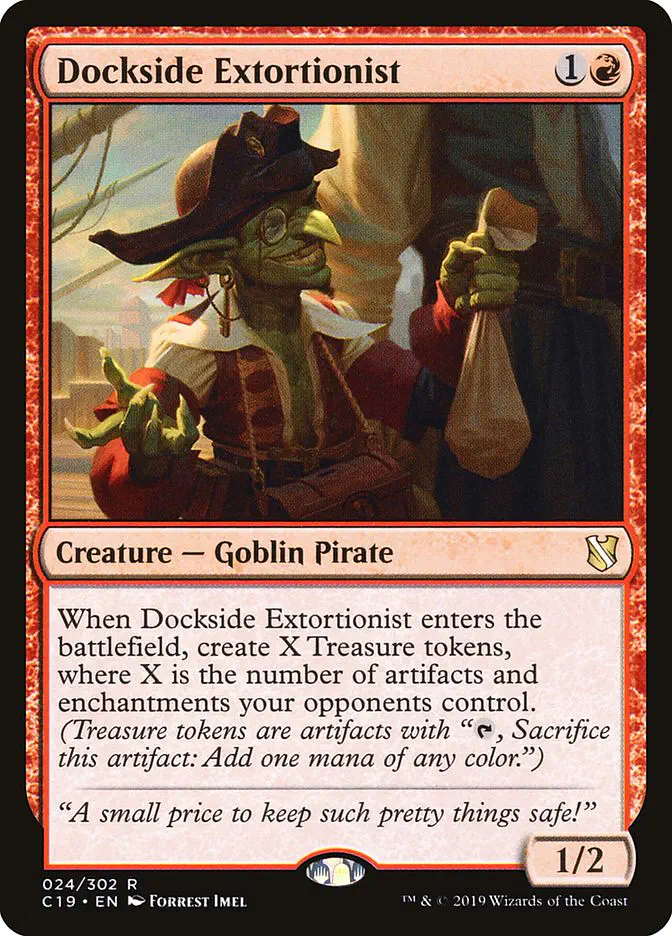
Dockside Extortionist was originally banned for its ability to snowball games in favor of a single player, similarly to Mana Crypt or Jeweled Lotus. The CFP hasn’t really produced specific arguments for keeping Dockside Extortionist banned, other than a desire to give Brackets more time to evolve, so the original ban announcement remains the CFP’s best defense for keeping it banned.
Simply Unfun Experiences
Balance, Erayo, Soratami Ascendant, Falling Star, Hullbreacher, Iona, Shield of Emeria, Leovold, Emissary of Trest, Limited Resources, Nadu, Winged Wisdom, Shahrazad, Sundering Titan, and Upheaval.
These cards, simply put, are too unfun to play with. For most of them, these cards suck too much fun out of Commander for the CFP’s tastes.
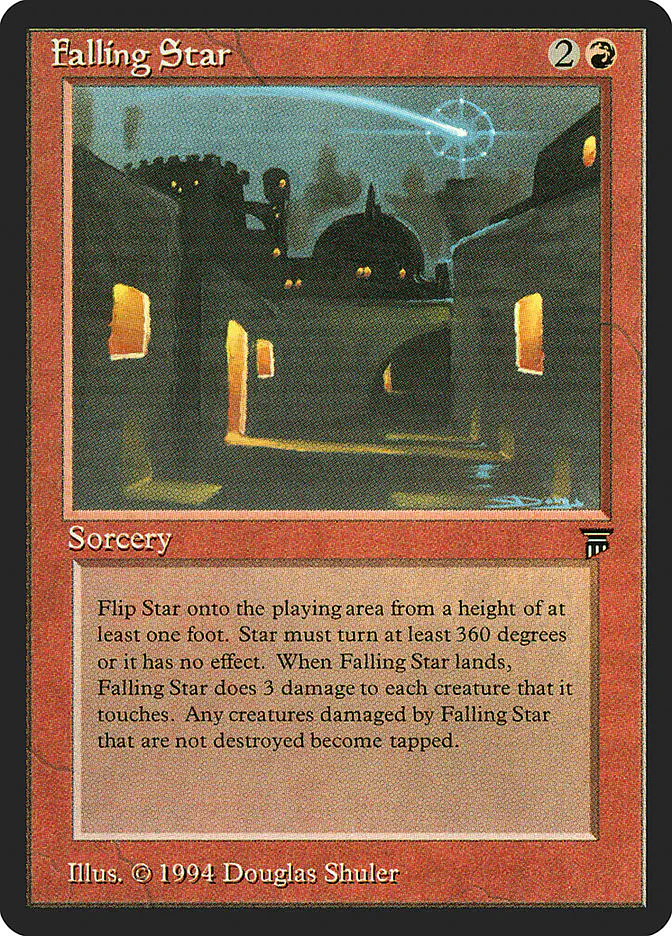
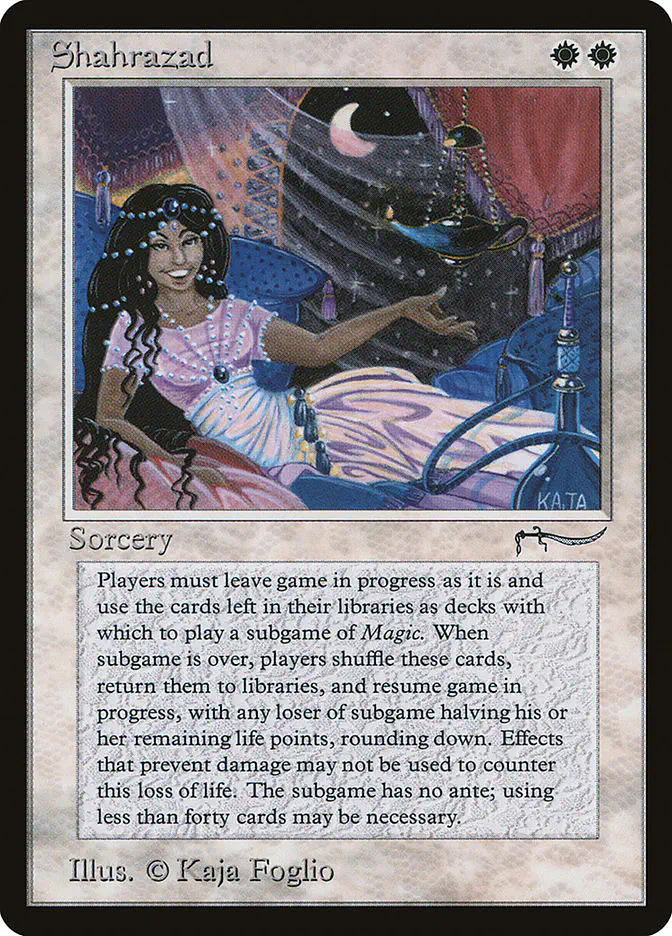
The simplest examples are Falling Star and Shahrazad. There’s really little to say about Shahrazad’s ban, and Falling Star falls, pun intended, into the same dexterity problem as Chaos Orb, as well as requiring very complex spell resolution.
Who needs Commander games to become even longer than they already are?
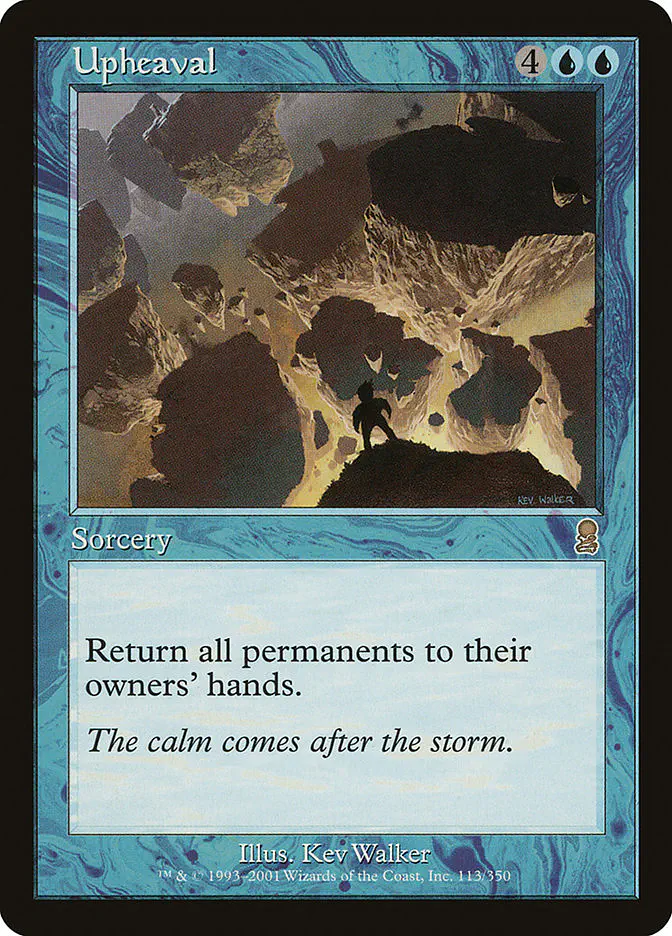
Since Commander is socially oriented, antisocial cards like Balance and Upheaval do not represent playstyles the CFP wishes to support, similar to why Tergrid, God of Fright is a Game Changer.
Limited Resources is debilitating in multiplayer and often locks players out of the game as soon as it resolves. Hullbreacher was, at worst, a meta-warping card, and at best miserable for casuals. As Verhey says, it’s “pure anti-fun.”
Nadu, Winged Wisdom falls into both the “unfun” and the very time-consuming card spaces, in a non-deterministic way.
There could exist a world where Erayo, Soratami Ascendant is legal in the 99, but that is not the one we live in. The same goes for Leovold, Emissary of Trest. For now, they are not playstyles the CFP wishes to support.
Sundering Titan was recently pointed to by Gavin Verhey as a potentially safe card for Game Changer status, but it ultimately promotes such an unfun playstyle and can go into any deck, that it is highly unlikely to be unbanned without major community support.
Similarly, Iona, Shield of Emeria was also indicated as a potentially unbannable card if limited to higher Brackets. However, in the same article where Verhey says this, he had already cited the fact that many players do not use Brackets and that unbanning Sundering Titan would mean that players outside of Brackets would not have the “safe space” guaranteed by lower Brackets. Ultimately, he appeals to player consensus around Iona, Shield of Emeria’s status.
Speaking of potential unbans…
Too strong and too unfun… or not?
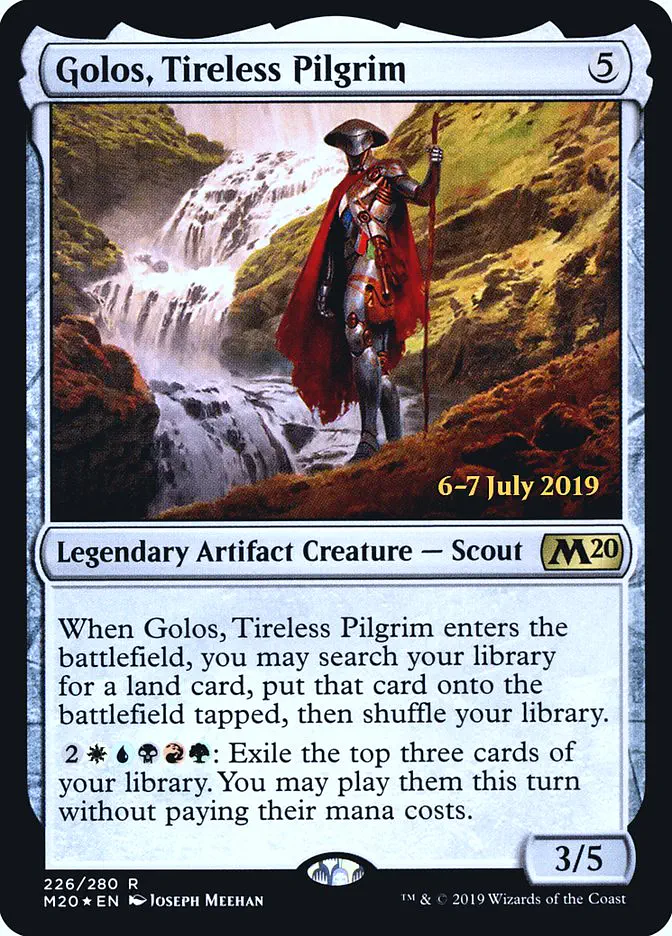
Emrakul, the Aeons Torn, Golos, Tireless Pilgrim, Griselbrand, Jeweled Lotus, Primeval Titan, Paradox Engine, Prophet of Kruphix, Sylvan Primordial, and Yawgmoth’s Bargain.
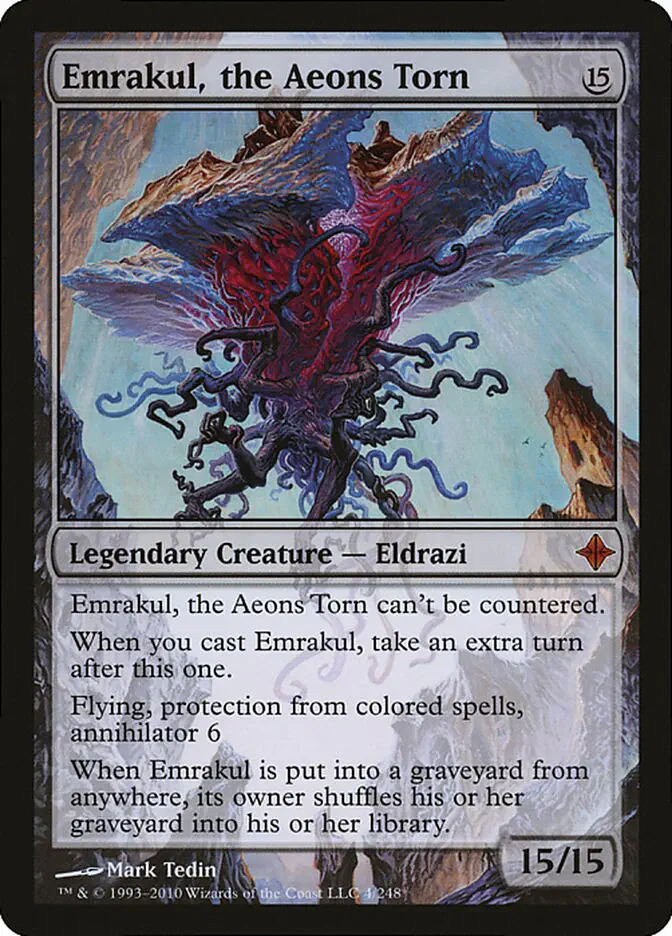
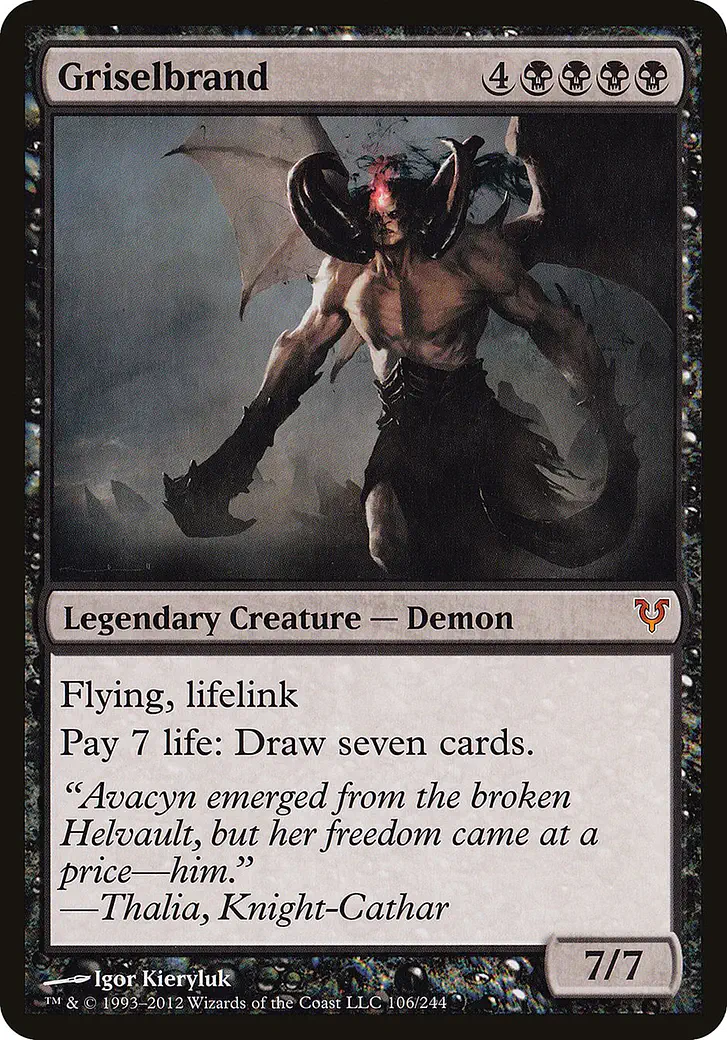
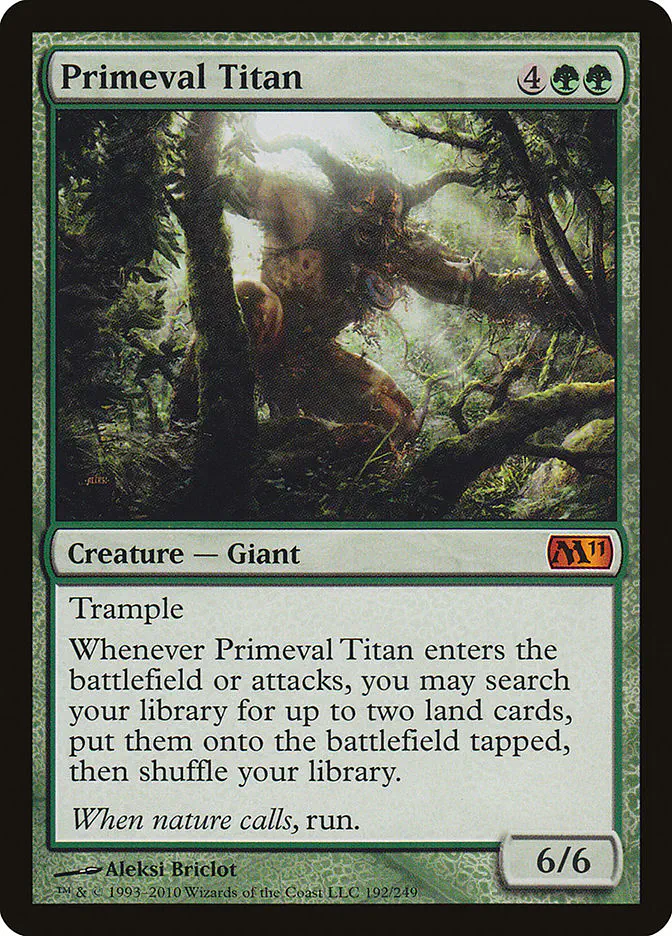
At one point or another, these cards were too strong or too broken for Commander. However, with the advent of Brackets, the CFP is willing to state that these cards could theoretically be Game Changers for higher Brackets. For now, however, they remain banned until further notice.
Emrakul, the Aeons Torn and Griselbrand are both very powerful cards, and both represent optimal game-enders for many Commander tables. Similar to Primeval Titan, many games devolve into a race to see who can get their big creature onto the field first and then who can keep it there longer, whether by cloning it, copying it, or stealing others' huge finisher.
Golos, Tireless Pilgrim is not necessarily a strong card, especially compared to most other banned cards, but it severely warped casual experiences. Many casual tables expected to see Golos, Tireless Pilgrim at least once during a game night, because it was the best “de facto” commander for any strategy. It might be safe in the 99, but, again, this is not the current situation in Commander.
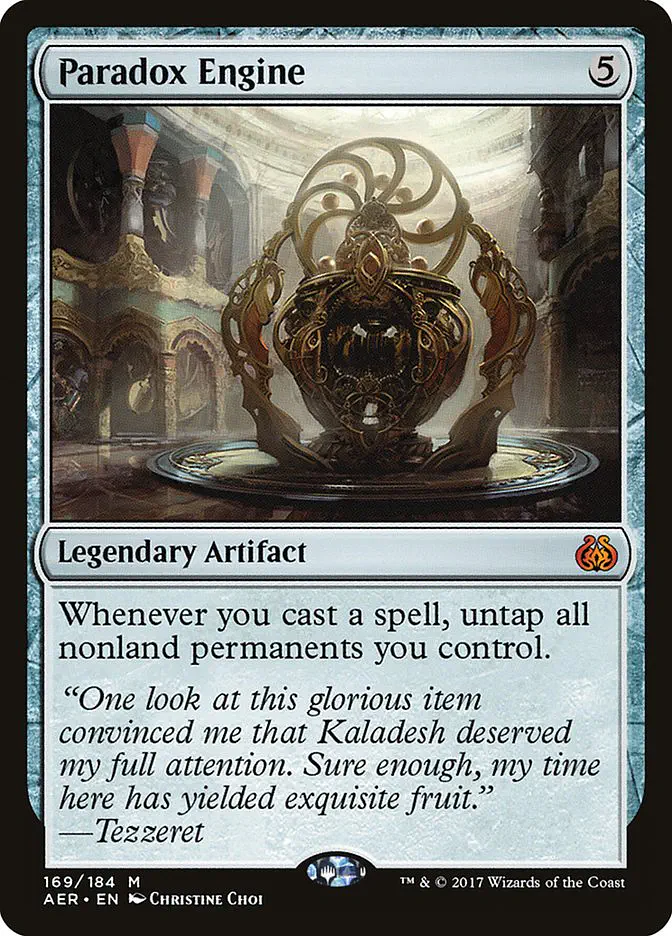
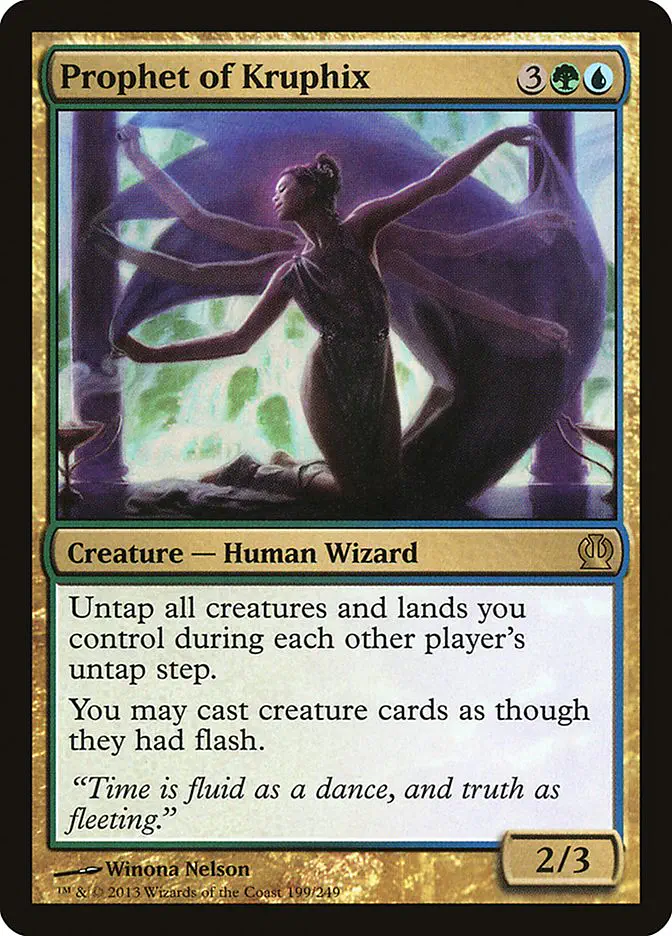
Paradox Engine and Prophet of Kruphix both grant players a huge “extra turn” effect that can take tens of minutes to fully resolve, slowing games to a halt in a non-deterministic way.
Sylvan Primordial is Mass Land Denial on steroids, going even further in converting any destruction into ramp for its controller. Even with a high mana cost, it’s quite simple to cheat it into play.
Yawgmoth’s Bargain is what Necropotence should be the fairer version of. Apparently, drawing cards without restriction by paying life is pretty strong, if Griselbrand wasn’t explicit enough already. Simply put, Commander doesn’t need a stronger version of Necropotence.
That said, this entire last group has the potential to be unbanned, as described in Verhey’s article discussing last year’s unban announcement. Realistically, all that separates these cards from Game Changer status is sufficient community support. After all, the last major unban was made possible in part by players requesting Coalition Victory to return to legal status.
With enough support, I’d say Jeweled Lotus would be the next community-driven unban. But what do you think? How do you rate the CFP’s ban philosophy so far? What are your thoughts on other unbans, given the success of Brackets? Do you think the CFP should ban or unban anything else right now?
__
Source in English: https://edhrec.com/