


<< Previous: Multicolor and Colorless Cards
But Do Brackets and Game Changers Work?
Certainly, something was needed to align the power level of decks that can share the battlefield, and all things considered, Brackets and Game Changers were a good idea.
However, like any good idea, it can be improved and perhaps should be questioned more often than Wizards does.
At least, that's my feeling. Every event, big or small, related to Commander always ends with players chatting among themselves, discussing Game Changers, Brackets, and even bans, which, when we talk about aligned power levels, should not be forgotten.
And it always comes back to that.
1. Bracket 1 and 2
If Bracket 2 is specifically designed for precons, what is the purpose of Bracket 1?
It's hard to imagine building Bracket 1 decks with the idea that they are less performant tutorials than many precons. Some precons are pet decks, some are strong, others are rockets. It would be better to reserve the first two levels of this scale only for precons, after grading and dividing them all into Bracket 1 and Bracket 2. It's a lot of work, but at least Wizards would be able to guarantee new players comfortable access to a leveled environment.
2. Bracket 4 and 5
If we consider Bracket 5, i.e., cEDH, as the most performant decks possible without any limitations beyond the ban list, why does Bracket 4 have the exact same restrictions as 5 but without the ambition to be equally performant?
There isn't a real difference. It's as if they were cEDH decks that haven't been tested or played enough, or perhaps decks of a player who has never played or faced a battlefield of the highest possible level.
In any case, since the only real difference seems to be solely the player's ambition, the division between Bracket 4 and Bracket 5 also seems useless here. Let's call them "Born to try!" and "Born to kill you!", but different limitations should still be found between the two, even if they were extreme or exaggerated. We are talking about extreme and exaggerated decks after all.
3. What about Bracket 3?
After discussing the other four Brackets, which could have been just two, let's talk about this one, which is the most extensive of all five. And here, indeed, they could have gone a bit further and created more levels of gradually differing power.
This is where things get messy.
Wizards' famous table states exactly:

Improved
Beyond the strength of an average precon deck.
No mass land destruction.
No extra turn chains.
Two-card infinite combos only in the late game.
Up to 3 decisive cards, i.e., Game Changers.
I've translated everything into Italian even though "carte decisive" (decisive cards) sounds awful.
Every time we discuss with friends or players, we always end up here, debating how far apart the power levels of the various Bracket 3s can be, and how important it would be to find a way to divide them further. Not to mention that it's the only Bracket where the Game Changer list becomes truly important. In 1 and 2, they cannot be played; in 4 and 5, all of them can be played; here in 3, you must choose up to three.
Looking at and studying the Game Changer list, it's impossible not to try and understand why a certain card is a Game Changer, why others are not, or why still others are even banned despite being similar.
It would be good to bring some order to this Bracket, as it has the most players by far. It should be the most fun, where players start looking for performance, good interactions, and, why not, even using stronger cards.
In this Bracket, beyond Game Changers, one should try to distinguish at least between decks that aim to be optimized and decks that actually are. But this seems complicated with the only tools the game currently has. Further different limitations should be added. Or clear distinctions should be made between commanders, given that some change the battlefield from the very first time they enter it.
Voja, Jaws of the Conclave
Legendary Creature — Wolf
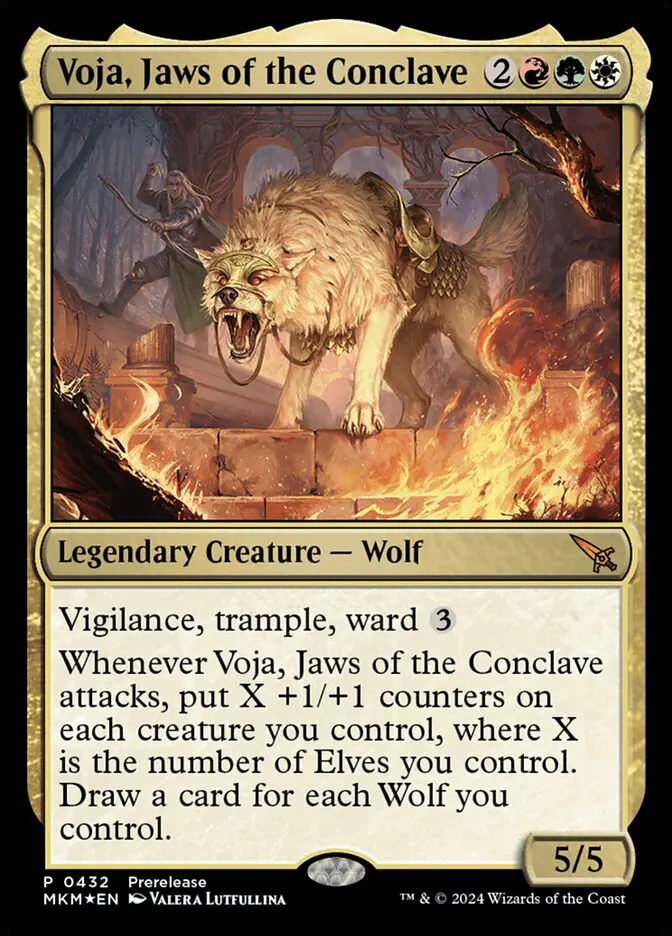
Voja, Jaws of the Conclave
Legendary Creature — Wolf




Vigilance, trample, ward 
Whenever Voja attacks, put X +1/+1 counters on each creature you control, where X is the number of Elves you control. Draw a card for each Wolf you control.
Any Voja, Jaws of the Conclave Bracket 3, even without a single Game Changer, if built exclusively with the intent of getting the commander out early, will hardly fail to win at a table of any other Bracket 3 decks. And this is just one example that comes up in many post-game chats.
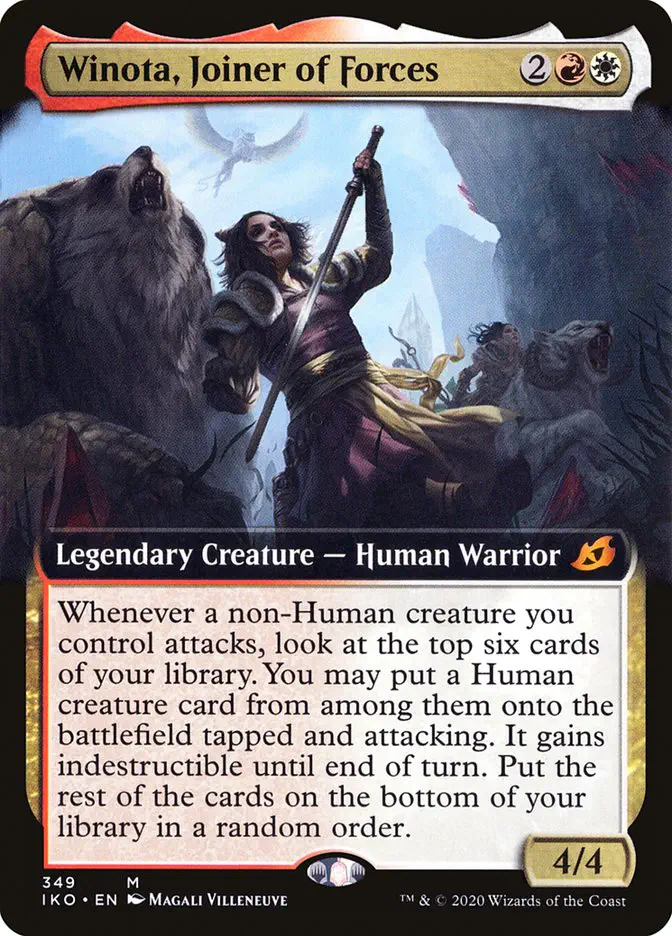
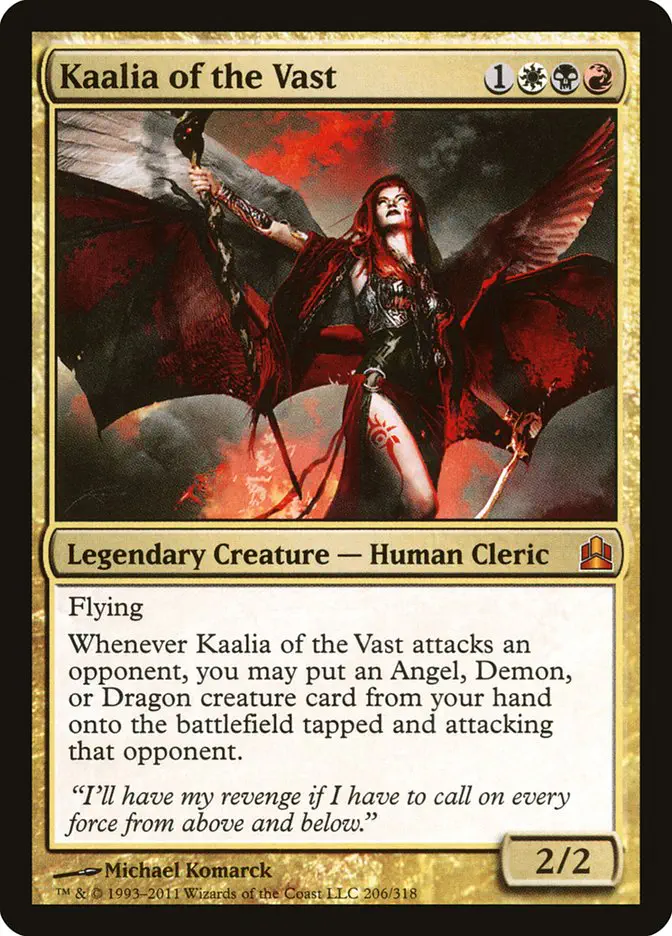

To cite other equally strong commanders, I could mention Winota, Joiner of Forces, Kaalia of the Vast, Koma, Cosmos Serpent, Yuriko, the Tiger’s Shadow, and I could go on, but I think I've made my point. They certainly can't all become Game Changers, but perhaps pools of commanders could be created based on their possible and probable impact on the game, to ensure a balanced experience at the table.
And we still haven't truly addressed the Game Changer topic, nor the ban list topic.
I'm in a polemic mood, so I'll start with some provocations.
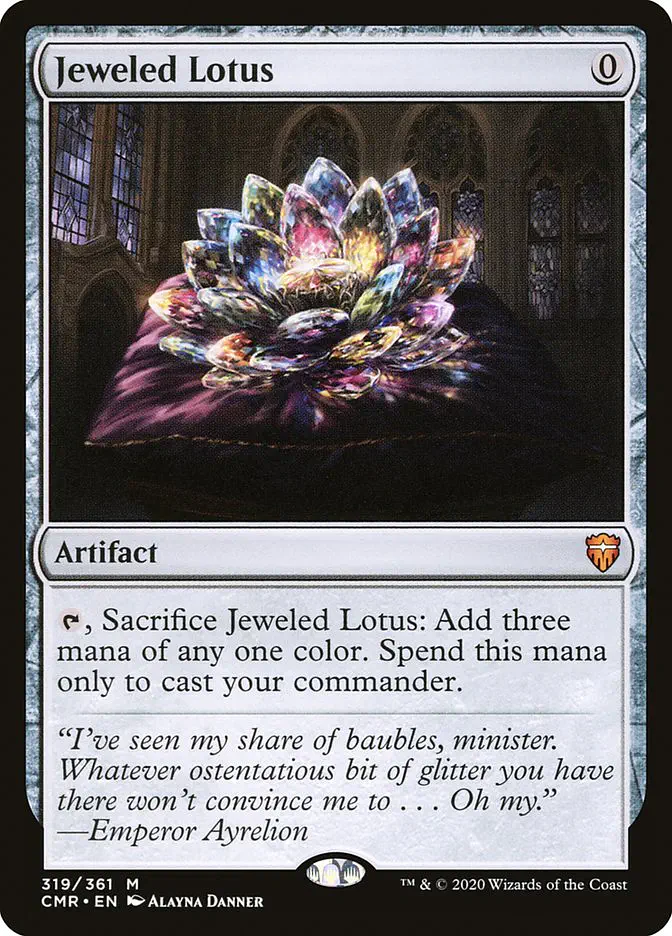
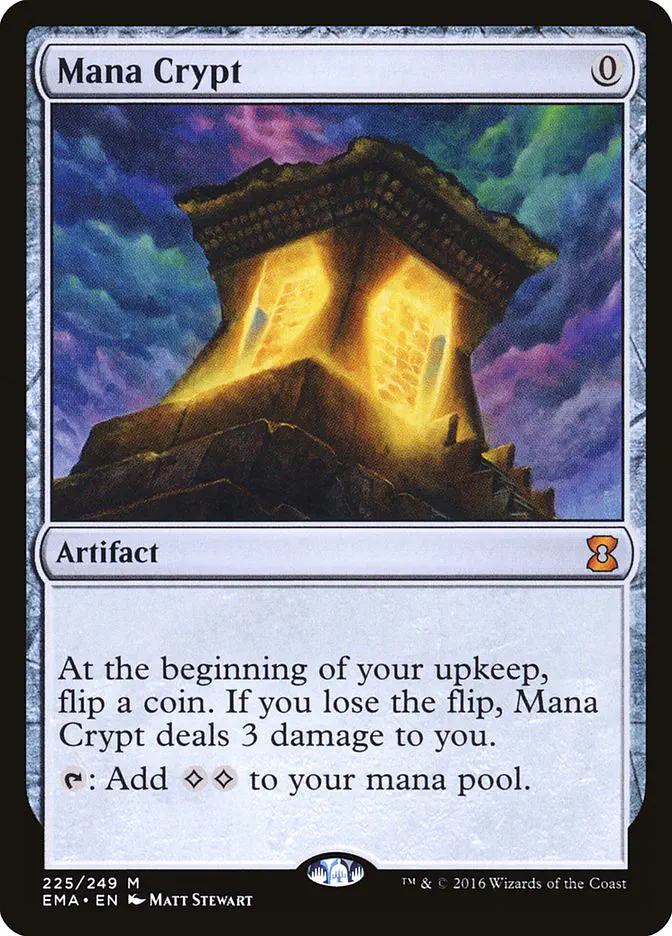
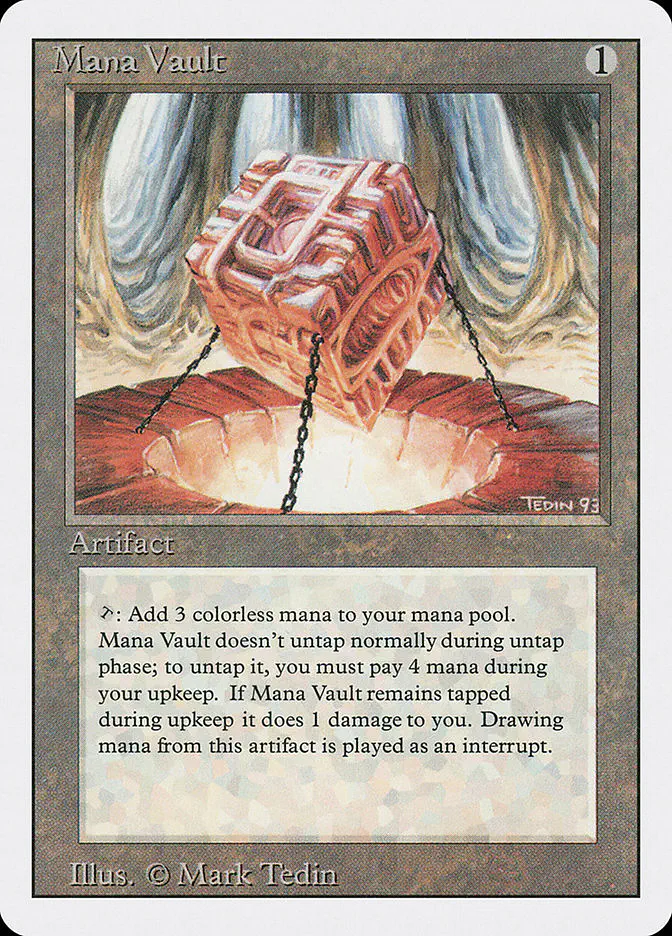
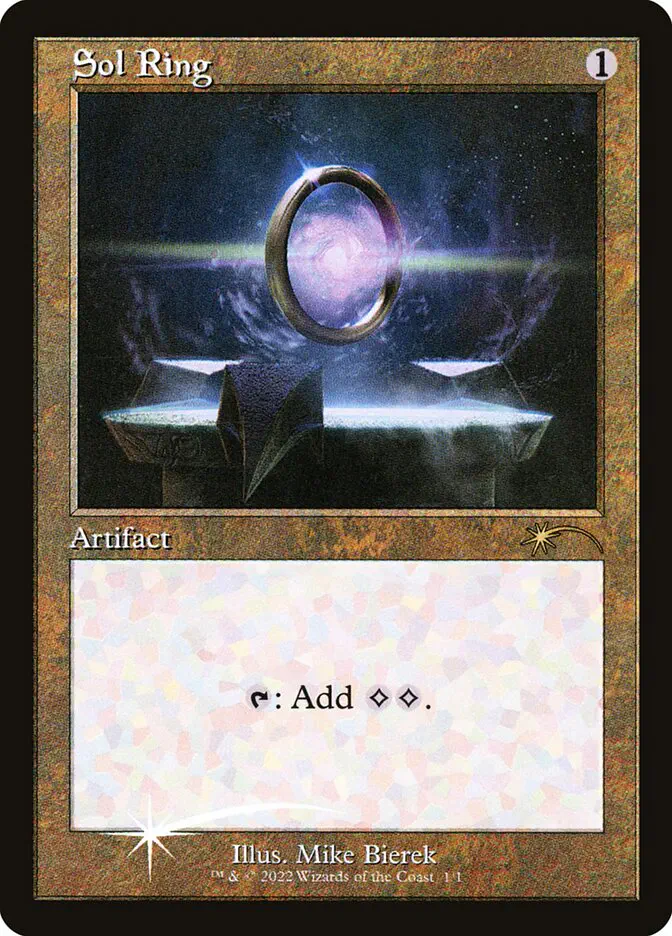
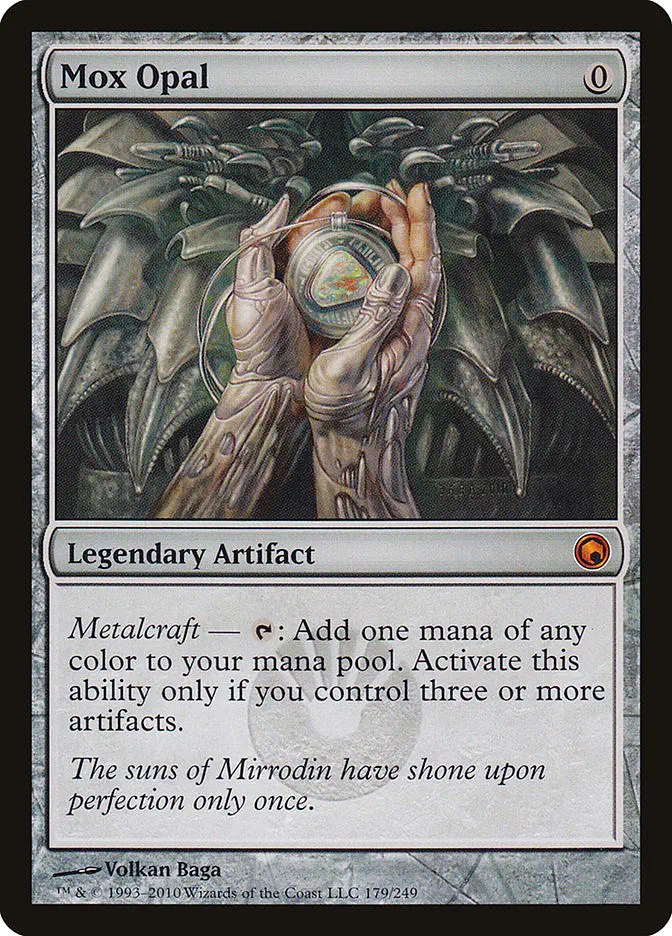
Is Jeweled Lotus really a ban list card? And is Mana Crypt? Why then is Mana Vault only a Game Changer? And why does Sol Ring have no restrictions? Just like Mox Opal?
Or, why are Force of Negation and Pact of Negation free from restrictions while Force of Will and Fierce Guardianship are Game Changers? Staying on the topic of counterspells, I can also ask you to reflect on Mana Drain or the multiple counters that only cost one blue mana. All the cited cards are very powerful and impactful, and it's difficult to find major differences, although naturally there are some.
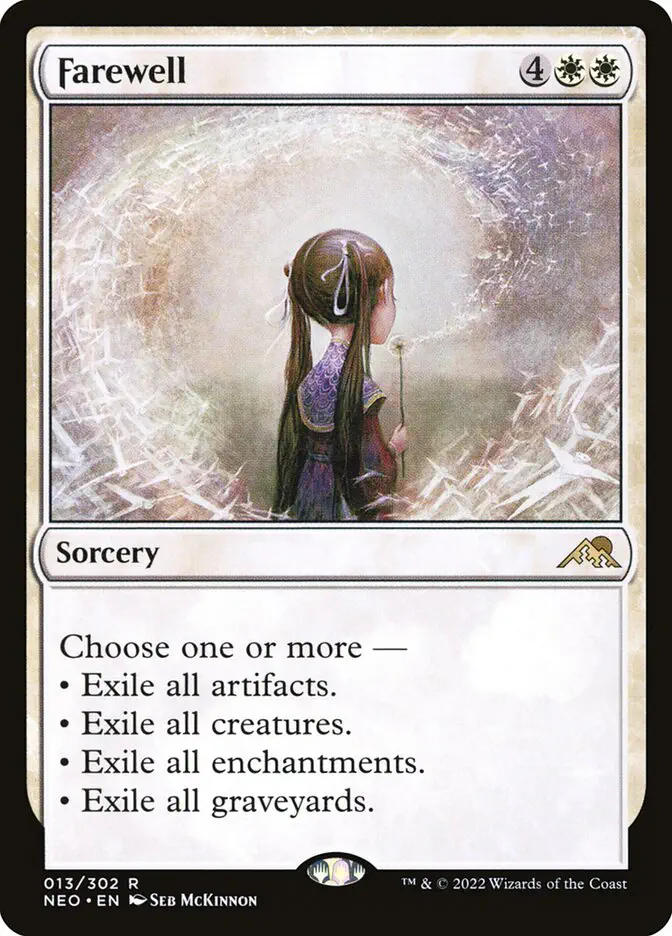
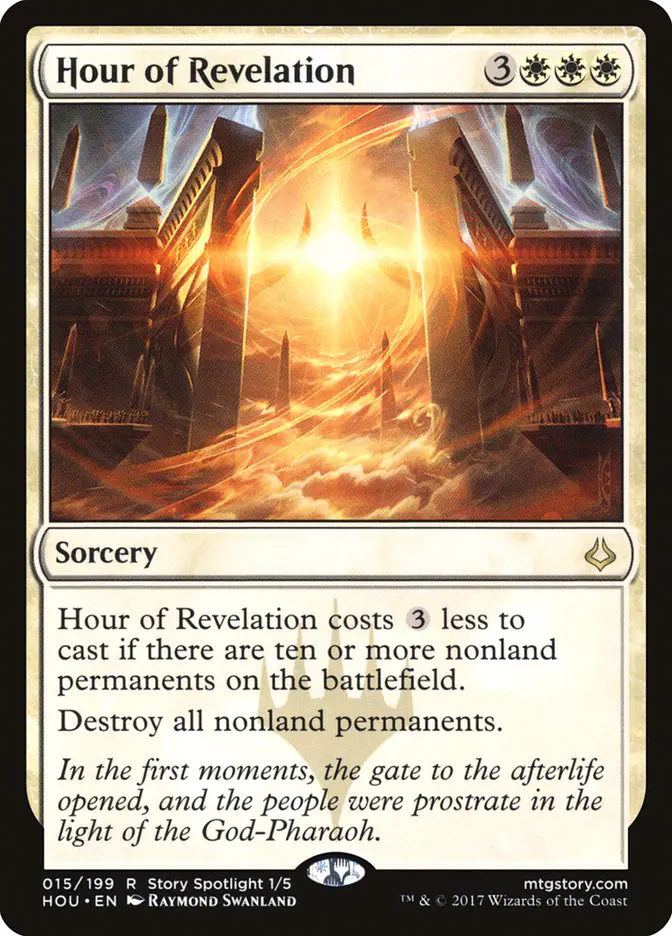
I can also ask you to reflect on Farewell. It's certainly a very strong spell, but it seems just as strong as many others that are not Game Changers. I would much rather play Akroma’s Vengeance or Hour of Revelation, for example, which seem better as well as legitimate.
Many other striking examples could be given, but I believe this is enough to question two card lists created with good intentions, but not quite with the optimal desired result. Also because, in the end, it is clear that Wizards has lumped cards into them for different reasons.
Certainly, many are banned or restricted simply because of their economic value. Making the game accessible for everyone, or almost everyone, is important, but it should also be important to let players who have chosen to invest a lot in their cards express themselves. They could create another list of unrestricted cards at least in Bracket 5. This would also give us a substantial distinction between Bracket 4 and Bracket 5.
Many cards, like tutors, are restricted. They are very strong cards, and the intent is clear, but perhaps they could make an effort to simply tell us how many tutors we can afford in the various Brackets, rather than just saying "play few tutors."
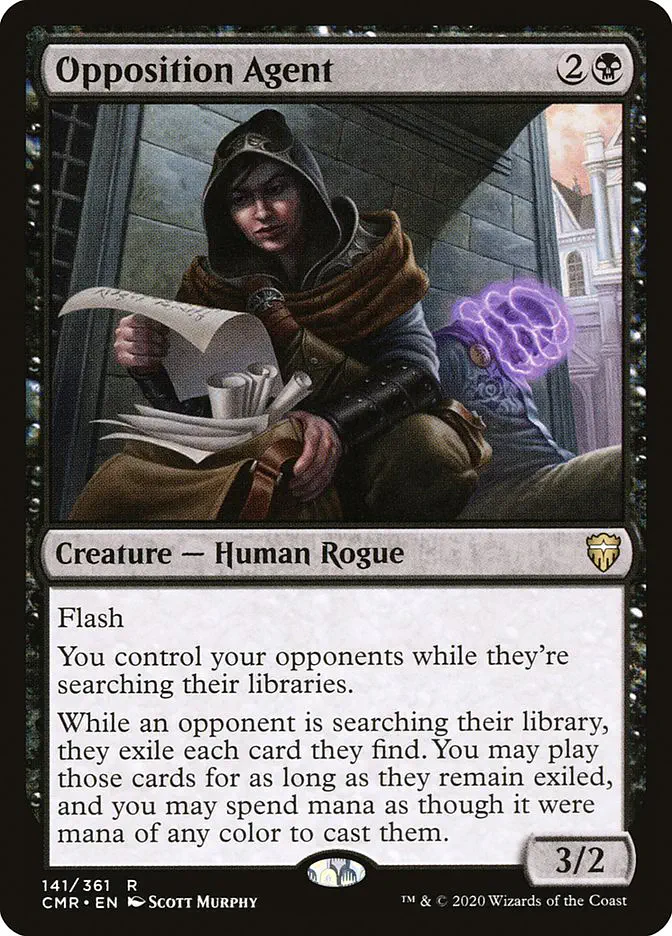
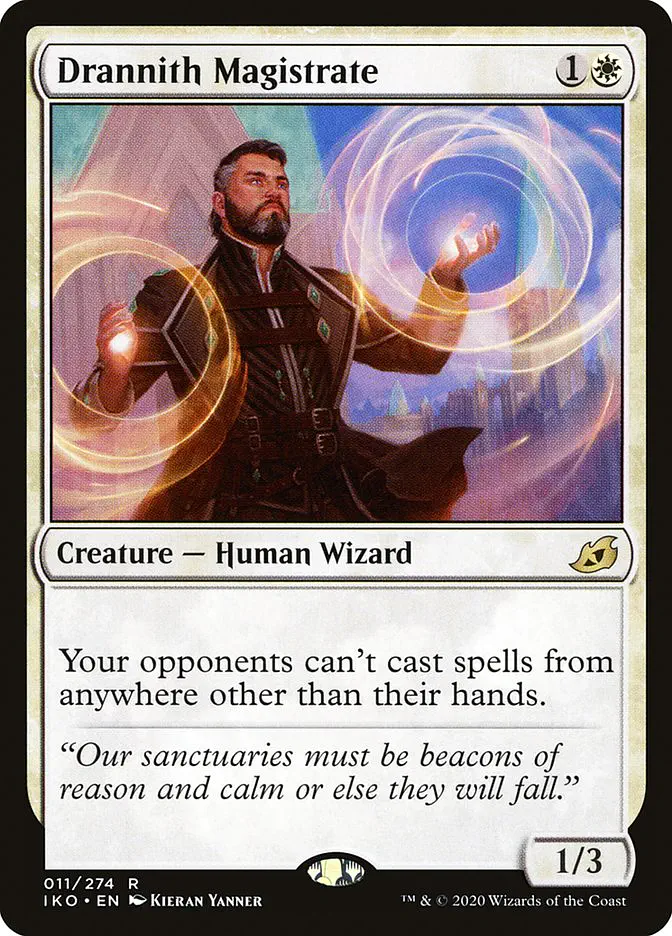
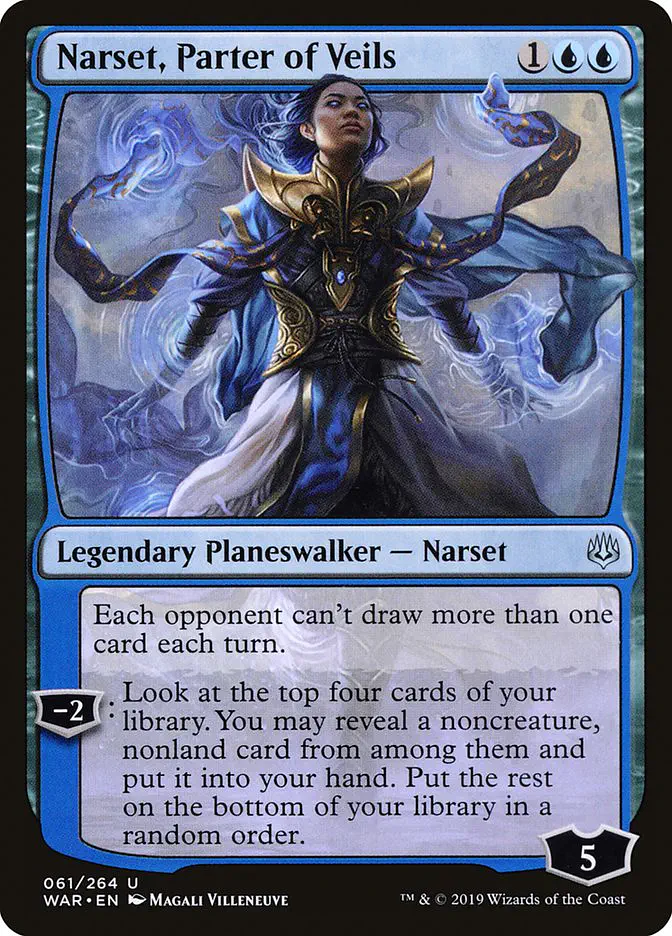
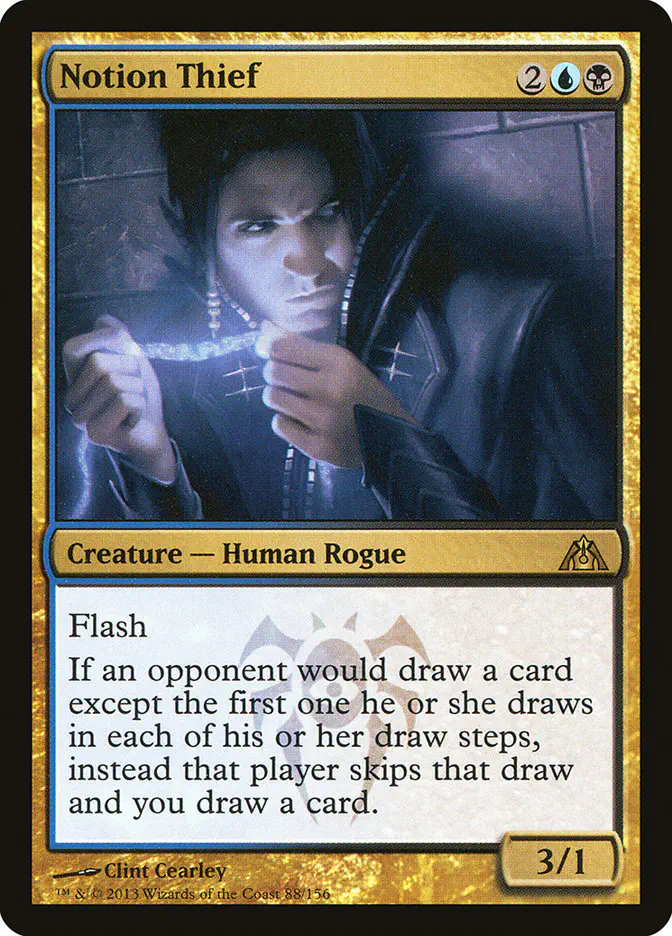
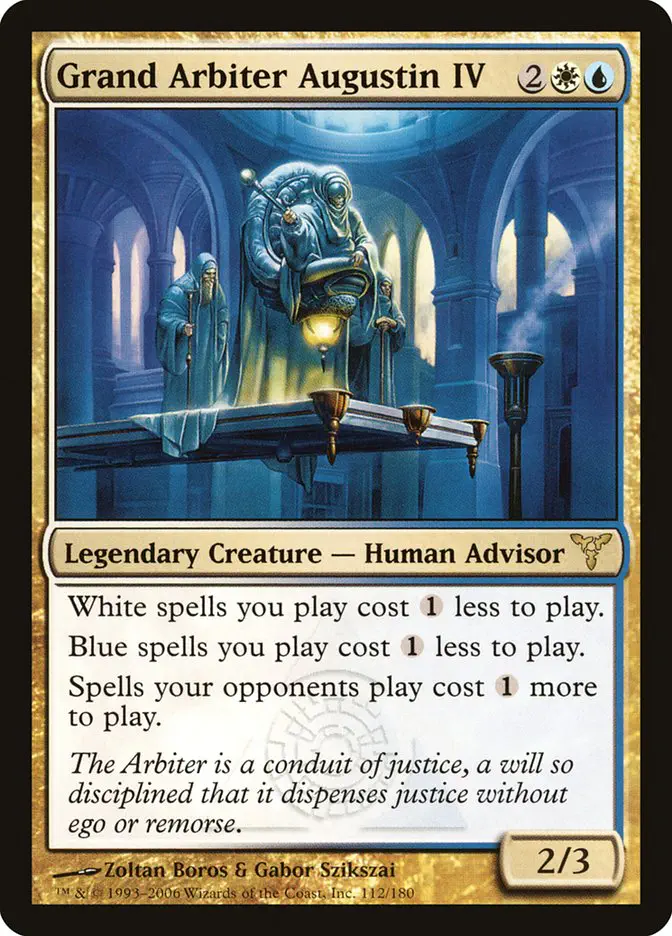
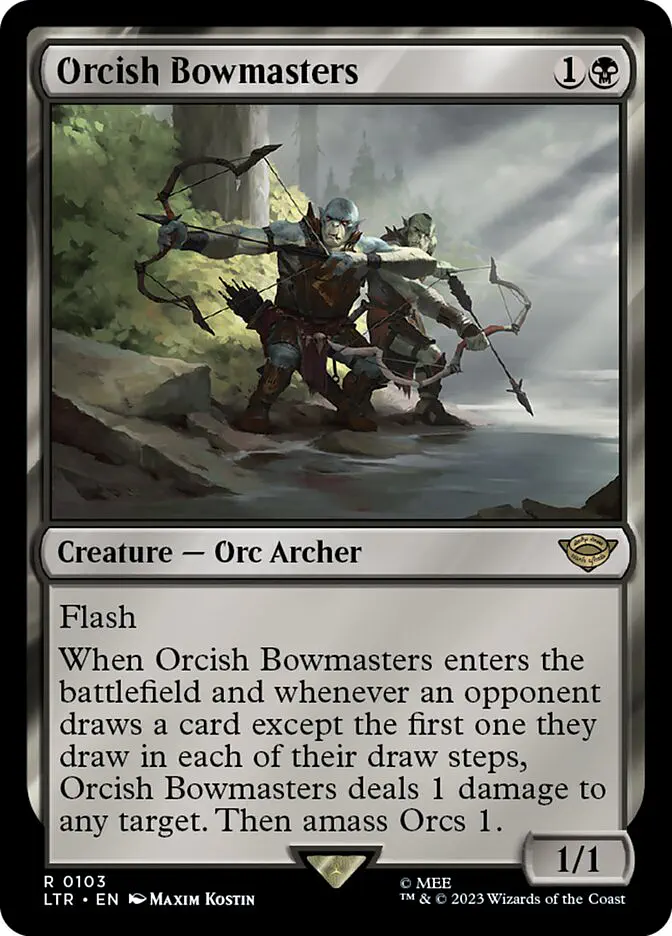
Still other cards simply seem to worsen the game, but they don't seem to be cards that truly break the table. Opposition Agent, Drannith Magistrate, Narset, Parter of Veils, Notion Thief, Grand Arbiter Augustin IV, and Orcish Bowmasters are all cards I don't like playing against, but they are also cards that are fairly easy to get rid of. Even for these, it would be enough to simply find the right place where they cause less trouble, perhaps even their own Bracket here.
Thankfully, in the list of Game Changers and bans, there are also cards that seem to be actual combos in themselves, and they certainly deserve to be there.
At the end of all this lengthy discussion, I believe it is right and proper that Brackets, the Game Changer list, and the ban list exist. Perhaps more are needed, perhaps they should be different, and perhaps thought out a bit better.
That's all.
NB. I didn't want to examine and discuss every Game Changer or banned card. It wasn't necessary for the article, but if you're interested, I'll do it in the next one.
See you next time, Lorenzo.
Guide Index
1. How it Works and What Really Changes
2. White, Blue, Black, Red, and Green Cards