


<< Previous Chapter: General Principles of Deckbuilding
The final part of “The Schools of Magic” is dedicated to the study of how to build and use a Sideboard. Sideboarding skill is the one most heavily influenced by experience. The more competitively you play, the better you get at this art. There are no shortcuts.
The best deckbuilders and players know perfectly:
- what to put in the Sideboard;
- how to sideboard—meaning which cards to bring in and which to take out of the maindeck during a match.
The reason why selecting and managing a Sideboard is so anchored in practical reality is that it is built to answer a specific set of cards and strategies within a very well-defined format. In Magic: The Gathering, this is loosely referred to as the metagame. To build and effectively use a Sideboard, you must be able to read a meta, and this ability becomes more developed the more you play in that meta. I have often seen relatively experienced players, wanting to start a new competitive format and get immediate results, buy a Deck Guide with an attached Sideboard Guide. In the latter, for each matchup, the cards to bring in and take out are highlighted.
At the first shift in the meta, those same players asked me how to modify the Sideboard Guide. In answering them, I discovered they didn't have a clear idea of what they were doing when swapping one card for another.
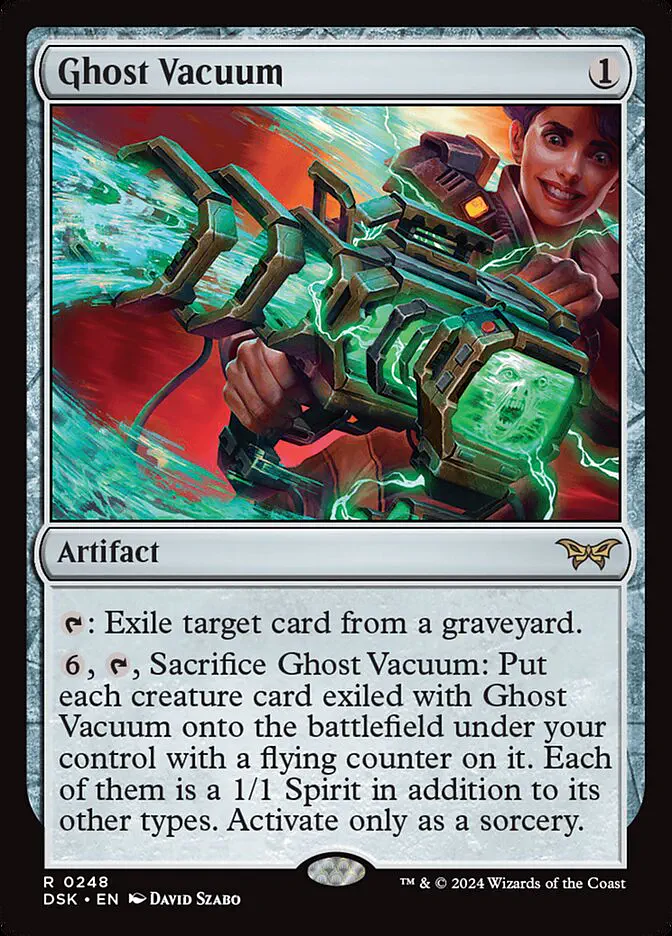
For example, in Standard, I saw a player with a Sideboard Guide that advised him to bring Ghost Vacuum into his 
 Excruciator deck against Mono-
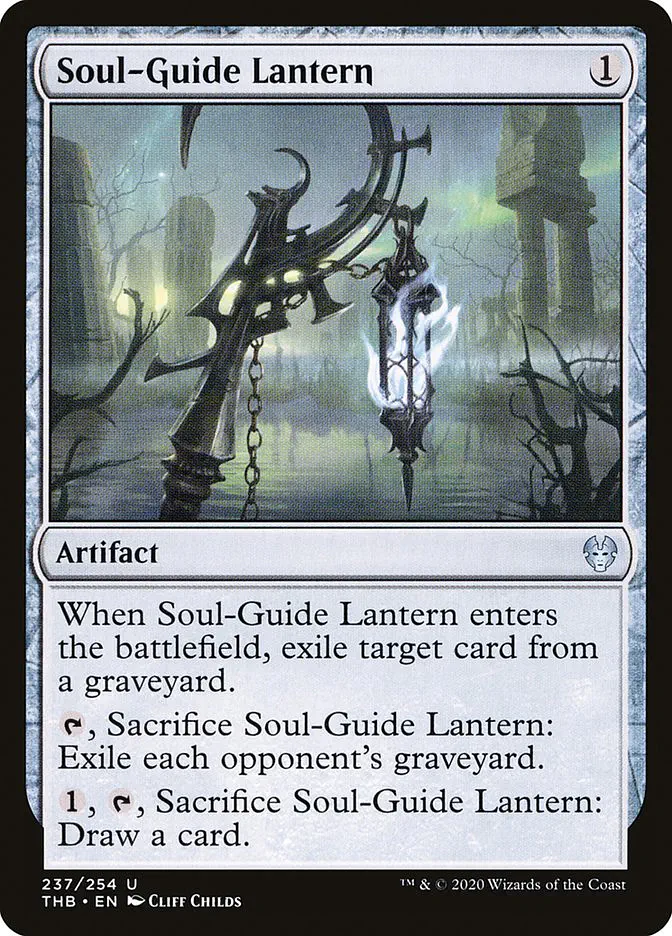
 Landfall, taking out Duress. At the first meta shift, when Ghost Vacuum started seeing less play in sideboards in favor of Soul-Guide Lantern, that player did the exact same thing and put Soul-Guide Lantern in his sideboard.
He proceeded to side it in against Mono- Landfall at a tournament where we were both playing. This cost him the match. In fact, that player had no clear idea why Ghost Vacuum was brought in against Mono- Landfall in the first place, and mistakenly assumed that what mattered was its ability to target the opponent's graveyard. That's a half-truth; the card does indeed do that, but what matters is *how* it does it. Ghost Vacuum allows you to answer Earthbend from Ba Sing Se, preventing the opponent's lands from returning to the battlefield. Soul-Guide Lantern has a completely different play pattern. That player messed up simply because he lacked experience in the format.
To avoid these kinds of mistakes, let's follow Rob Hahn as we try to provide a guideline for the reasoning behind a deck's sideboard.
First of all, the author makes a point of explaining what a Sideboard is from a theoretical standpoint. The Sideboard is a set of 15 cards that are less than maximally useful in Game 1 but can determine the outcome of subsequent games. Instinctively, we might define them as "situationally useful." The first question the author asks is: "But why put cards that are only useful in specific situations in the sideboard instead of another 15 maximally useful cards?"
Hahn answers this question by describing four specific types of Sideboards that underlie a clear gameplay tactic.
Color-Specific Sideboard
The first is the "Color-Specific Sideboard." In this approach, you pack the sideboard with cards that answer a specific color in a hyper-efficient way.
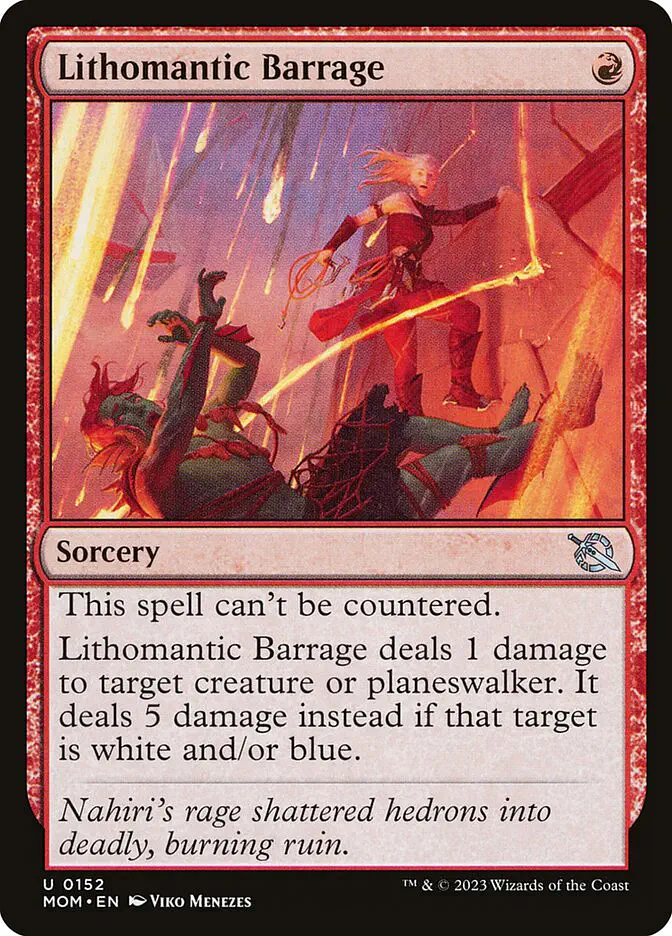
E.g., Lithomantic Barrage is a powerhouse removal spell if you need to deal with white or blue creatures and planeswalkers. The most iconic concept of a color-specific sideboard card is the ancient "Circles of Protection." The author explains that to choose a sideboard card for this purpose, you must know how to evaluate its actual capacity to obliterate the color it aims to fight. You look at the pool of available cards capable of shutting down a color and weigh their effects.
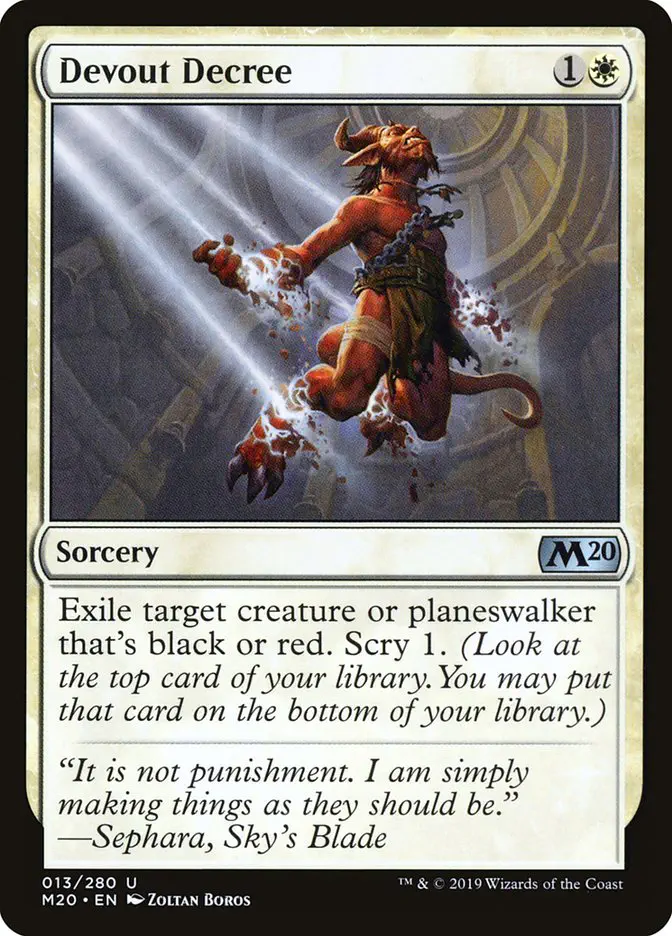
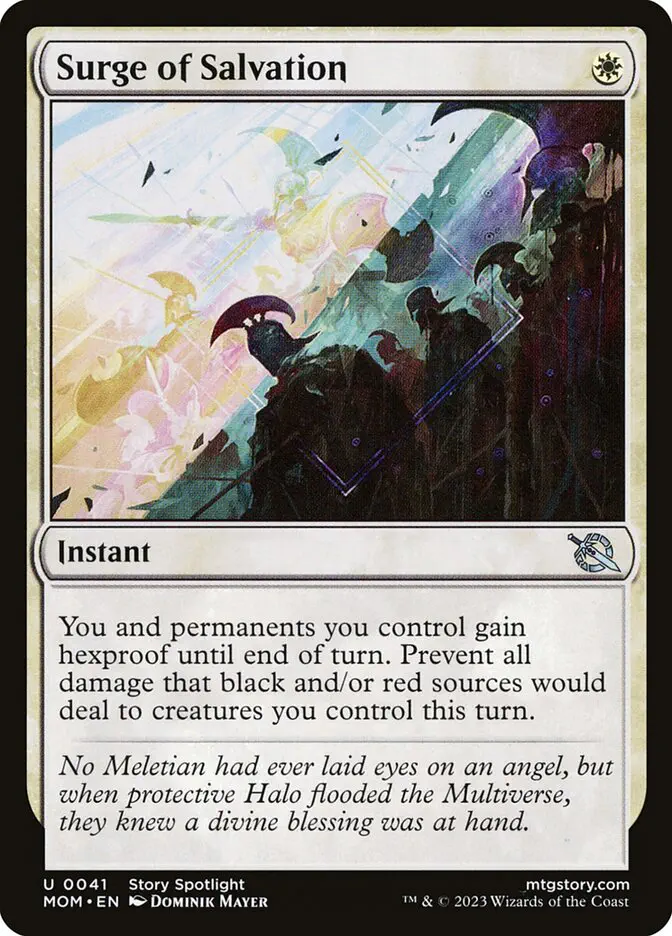
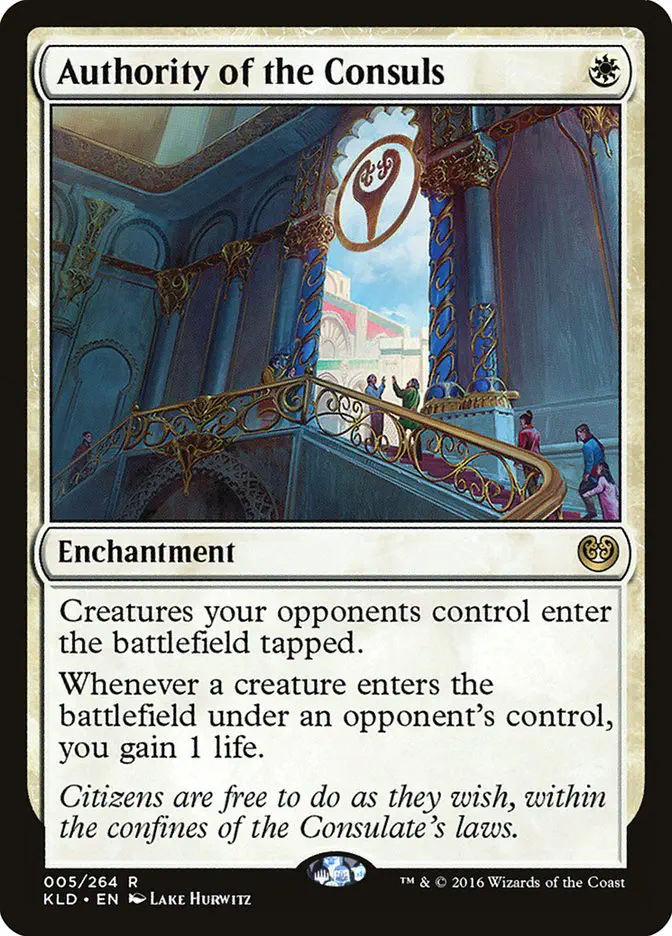
Hahn advised identifying a color's primary strength, and then prioritizing sideboard cards that attack that strength most aggressively. For example, let's imagine we are in the competitive Standard environment of late November 2024. At the time, Mono- was one of the strongest decks you could run into in a tournament, especially thanks to the release of Bloomburrow and Duskmourn. During that period, three cards were legal at the same time: Devout Decree, Surge of Salvation, and Authority of the Consuls. Yet, only one of them heavily made its way into the sideboards of Mono-
 or /x players.
The Mono- deck of that era played many low-mana-value creatures capable of dealing a massive amount of damage in a ridiculously short window of time. Furthermore, some of these creatures needed to be removed immediately to be managed at all, and could still have annoying post-removal effects, like Heartfire Hero and Screaming Nemesis in a meta where one of the most effective removal spells was Elspeth’s Smite. The red strategy was as simple and linear as it was traditional: present enough attacking power to reach its Fundamental Turn faster than any other deck in the format.
This goal was brilliantly achieved by highly synergistic creatures (Manifold Mouse, Emberheart Challenger, and Heartfire Hero), often with haste (Monastery Swiftspear, Emberheart Challenger, Screaming Nemesis), which were hard to remove or even made removal spells useless because they came down too late (Heartfire Hero, Screaming Nemesis). Understanding this game plan makes it easy to guess which of the mentioned cards saw widespread sideboard play. It was Authority of the Consuls. The fact that it disrupted the entire red strategy quickly and consistently made it the clear winner over the others. Surge of Salvation was never seriously utilized, as it did nothing but briefly delay the inevitable. Devout Decree only made sporadic tournament appearances, since red planeswalkers were certainly not the problem in that metagame.
This line of reasoning is always valid, but we must note that it is no longer the only one possible. With the evolution of the game, the Color Pie has become highly permeable. Effects that were once strictly relegated to one color can now be found in others. Additionally, compared to the past, managing mana fixing has become much easier thanks to relatively new lands like fetch lands, shock lands, triomes, etc. These and other factors have led to a multiplication of hybrid game strategies and a certain eclecticism in color usage. Consequently, this situation has meant that, very often, the aspect of a single color you need protection from is not its general mechanic, but a specific type of threat. E.g., against Energy in Modern before 05/18/2026, players would frequently side in Celestial Purge.
The deck had a core strategy sitting somewhere between aggro and highly aggressive midrange. It also thrived on micro-combos based on synergies between several cards that allowed for various free wins:
- Guide of Souls
- Ocelot Pride
- Ajani, Nacatl Pariah
- Goblin Bombardment
- Phlage, Titan of Fire's Fury and
- Arena of Glory
Against this deck, Celestial Purge wasn't a card capable of disrupting their entire game plan, but it successfully dealt with key cards like Ajani, Nacatl Pariah, Phlage, Titan of Fire's Fury, and Goblin Bombardment, which would run away with the game if left unanswered. The deck is still played at the time of writing, with some adjustments following the banning of Phlage, Titan of Fire's Fury and the subsequent evolution of the format.
In essence, today it is entirely legitimate to build a Color-Specific Sideboard aimed at eliminating particular threats represented by a color in a given format. It is not always necessary to choose a card that can obliterate the entire game plan supported by that color. Another way to look at this shift is to state that currently, certain cards matter more than a deck's overall tactics. This is true, but it shouldn't cause despair. On one hand, it's inevitable due to the evolution of the game's power level; on the other hand, it's only true in certain formats within a specific timeframe. No card is broken everywhere, and no card is broken forever. The game is far too complex to be solved by any single piece.
Strategy-Specific Sideboard
After building a sideboard against a specific color—which Hahn considers the first and most immediate approach to sideboarding—we move on to the Strategy-Specific Sideboard.
This approach is theoretically more complex than the previous one and involves bringing in cards that allow you to counter a specific strategy.
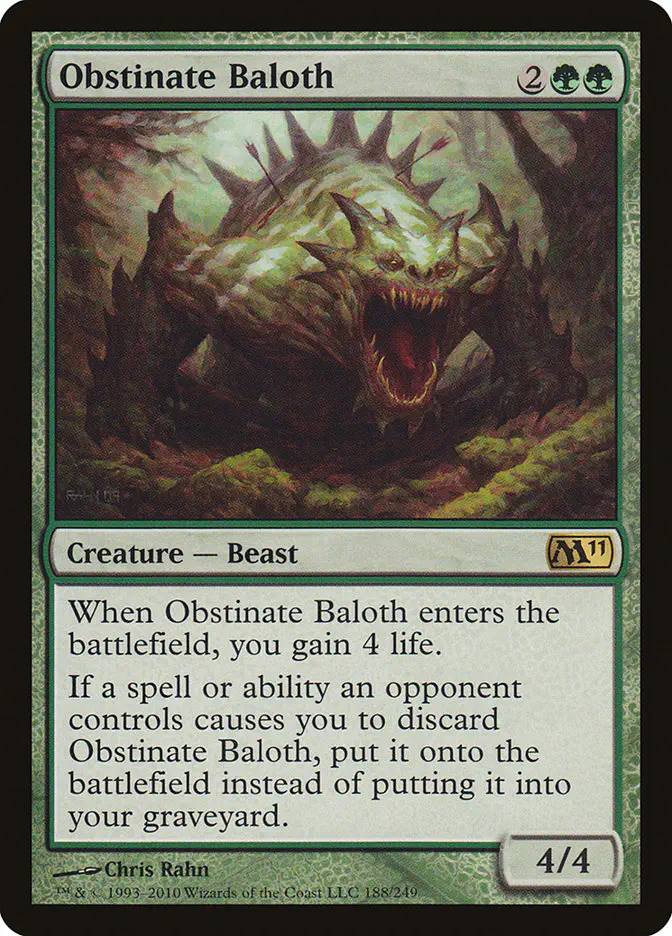
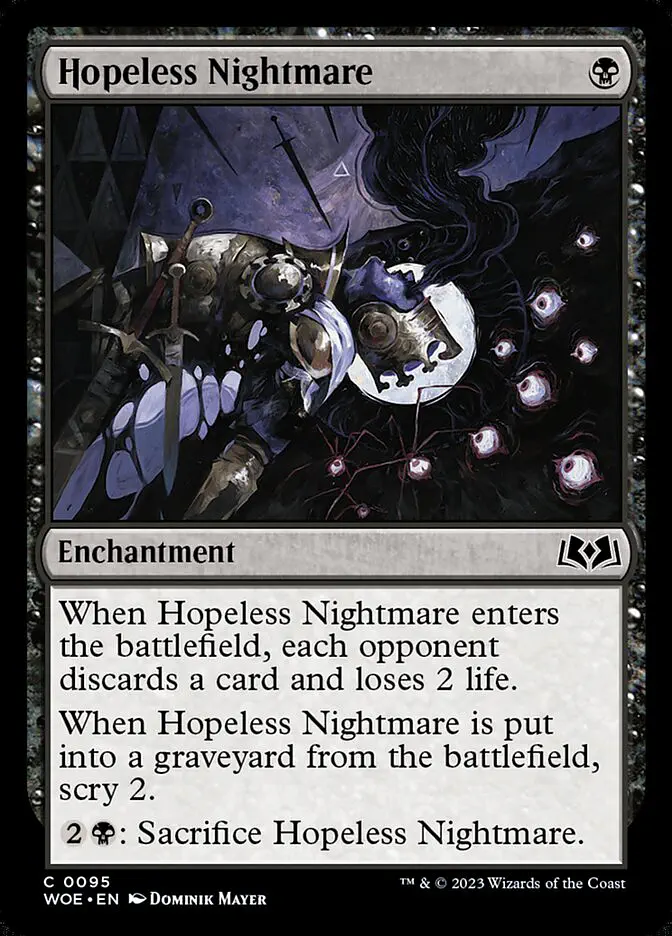
A fairly recent example from competitive Standard is putting Obstinate Baloth in the sideboard. Prior to its ban in June 2025, Hopeless Nightmare was extremely popular in the format. As an enchantment, it's already incredibly strong on its own, even at the time of writing. For a single mana, it forces the opponent to discard a card and lose two life. Furthermore, when put into a graveyard from the battlefield, a second triggered ability triggers, allowing its controller to scry 2. Highly efficient for a card that can also sacrifice itself.
Beyond the obvious merits of this card, it was massively boosted inside the Pixie deck, which used recurring self-bounce mechanics to amplify the effects of its cards. Thus, Hopeless Nightmare on turn one forced a discard, Nurturing Pixie on turn two let you bounce and replay it, and Fear of Isolation on turn three or This Town Ain’t Big Enough did the same. It's easy to see how the deck aimed to control the opponent by rapidly stripping their hand and neutralizing their board, while small, evasive creatures poked away at their life total.
It was technically a Midrange or a Tempo deck depending on the build. Well, an excellent Strategy-Specific Sideboard tech that competitive players in that meta came up with was running Obstinate Baloth, sometimes even in decks without green. This card completely shut down the discard strategy of Pixie; if they played Hopeless Nightmare on turn one, they would suddenly face an opponent starting with 4 extra life and a 4/4 to deal with. That was more than enough to lose the game on the spot.
Another icon of this style of deckbuilding, as valid today as it was in the author's time, is putting cards like Pyroclasm in the sideboard to use against Weenie or Swarm decks.
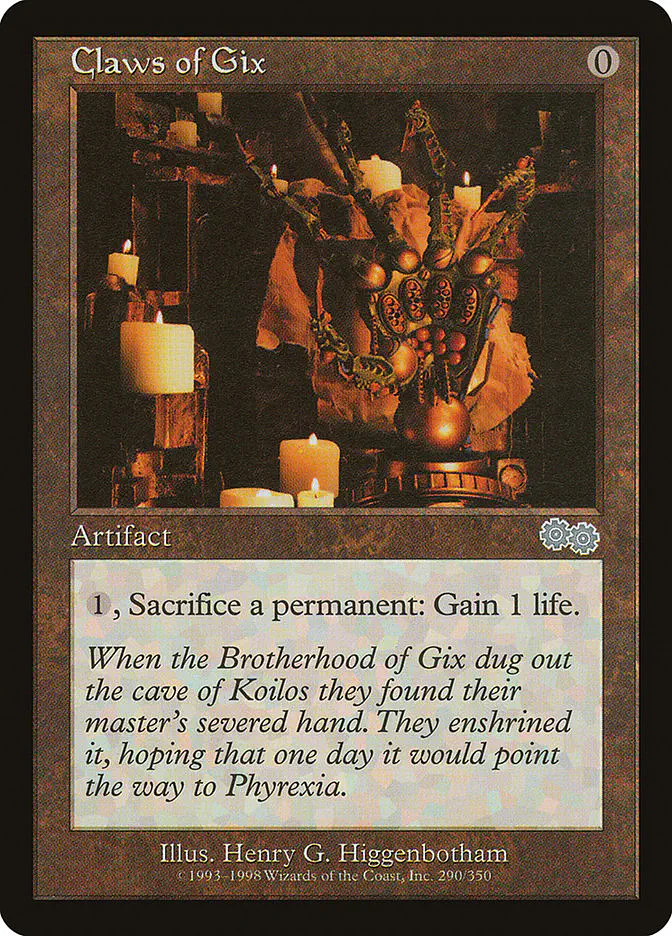
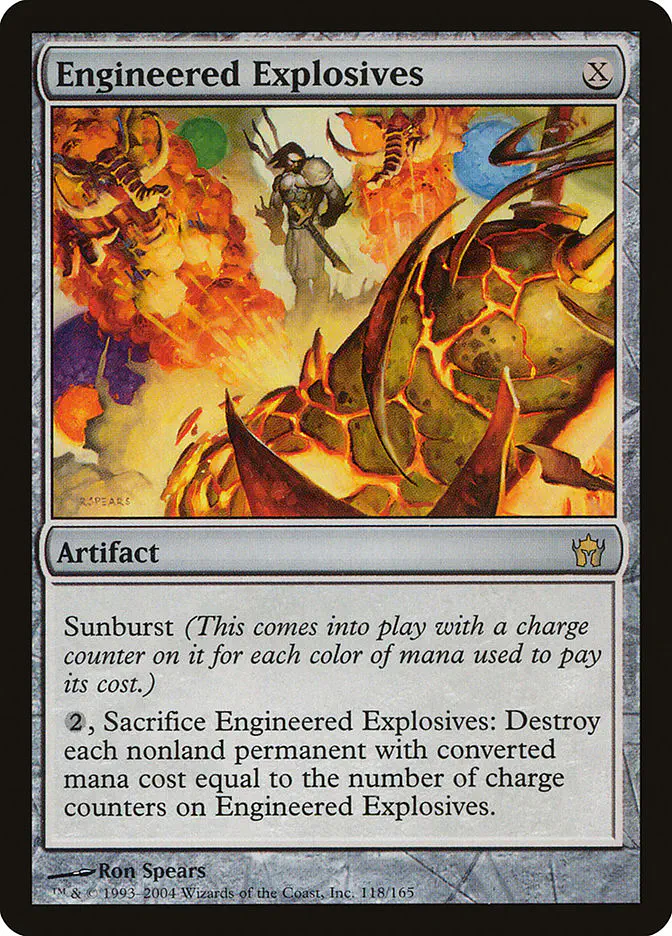
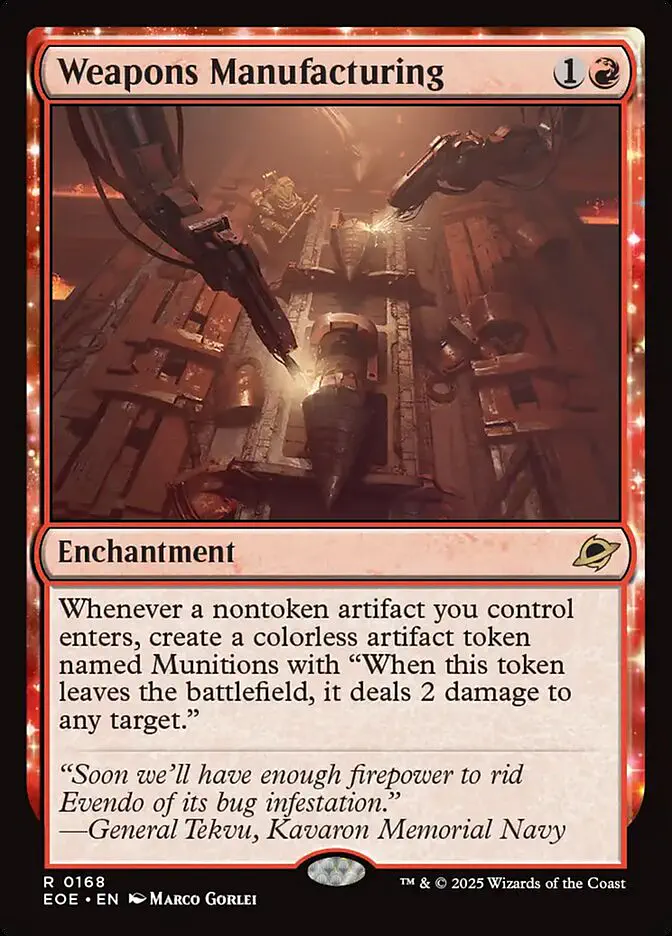
Up to this point, it's all very simple, but building a Strategy-Specific Sideboard can get tricky when we consider that many decks have multi-layered or multiple strategies. In Modern, the Affinity deck can either quickly drop a Kappa Cannoneer to kill the opponent through brute force, or use Claws of Gix or Engineered Explosives to crack the Ammo tokens created by Weapons Manufacturing. Those are two completely different avenues. So what do you do?
In this scenario, Hahn recommended finding a common weak point across all of the deck's angles. Against a multi-layered or hybrid strategy, you must choose cards capable of hitting as many elements as possible, or the core piece without which none of their plans function well.
E.g., if we were playing Energy in Modern and faced Affinity, we could side in both Wear//Tear and Vexing Bauble. In the first case, a single card lets us answer an artifact (Kappa Cannoneer) and an enchantment (Weapons Manufacturing). In the second case, we target an engine common to both lines: casting free zero-mana artifacts (Claws of Gix, Engineered Explosives, Mishra’s Bauble, Mox Opal, etc.).
Strategy-specific sideboarding requires a deep understanding of the decks you are trying to beat and is generally associated with a defensive, reactive approach. Nonetheless, it can also be used aggressively, albeit less frequently.
Before moving on to the third style of sideboard construction, it's worth noting that for Rob Hahn, these methods don't have to be mutually exclusive; they can coexist. E.g., it is highly common to find a sideboard built mostly against a strategy, but with a few cards teched in to fight a specific color.
Transformative Sideboard
Let's move on to the Transformative Sideboard. This approach to sideboarding is rare and requires a specific overall deck architecture to work. However, when implemented correctly, it catches opponents completely off guard. The idea is to use the sideboard to entirely transform your deck. The new strategy boarded in will surprise the opponent while simultaneously blanking their sideboard choices designed to counter your maindeck.
The challenge with this type of sideboard is that very few decks can function optimally in two different configurations. Even a small inefficiency can cost you the post-board game. Additionally, a transformative sideboard is only effective if the opponent decides to use reactive sideboarding against your primary strategy, which they might not always do. Despite these weaknesses, examining the Transformative Sideboard is well worth it to broaden our deckbuilding horizons.
The first example I'll give is chosen for its clarity and elegance. It comes from a format that was once a premier competitive staple, though it has since been removed from the official professional circuit. I'm talking about Legacy. One of the oldest and most played strategies in Legacy is Reanimator. A black-based combo deck that, throughout history, has been paired with multiple colors: , , , , . Despite its varied flavors, the deck's strategy has never changed: rapidly put massive creatures into the graveyard and cheat them onto the battlefield for a fraction of their mana cost using spells like Reanimate, Exhume, or in the good old days, Animate Dead and Shallow Grave.
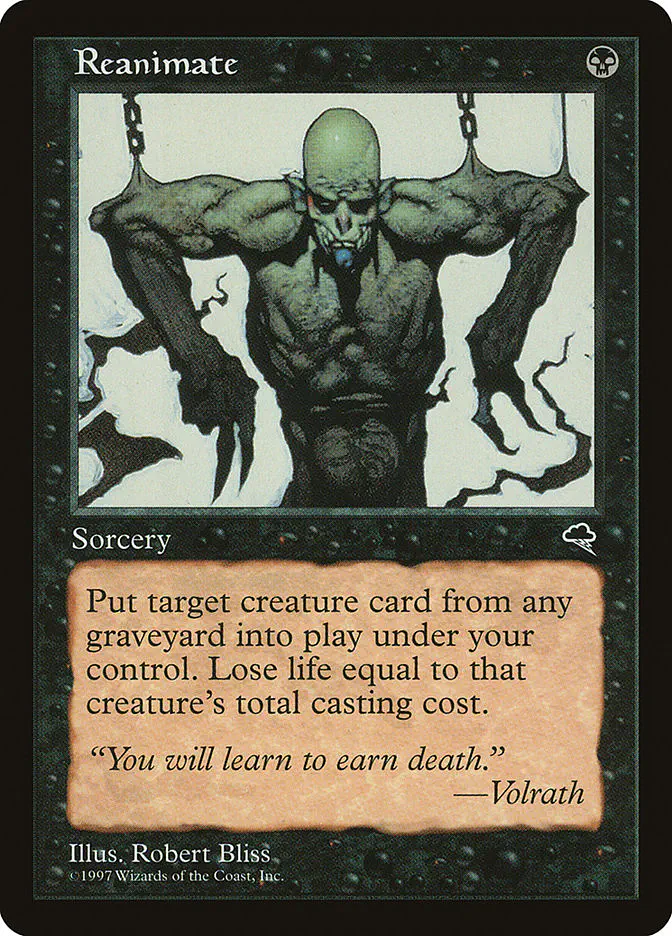
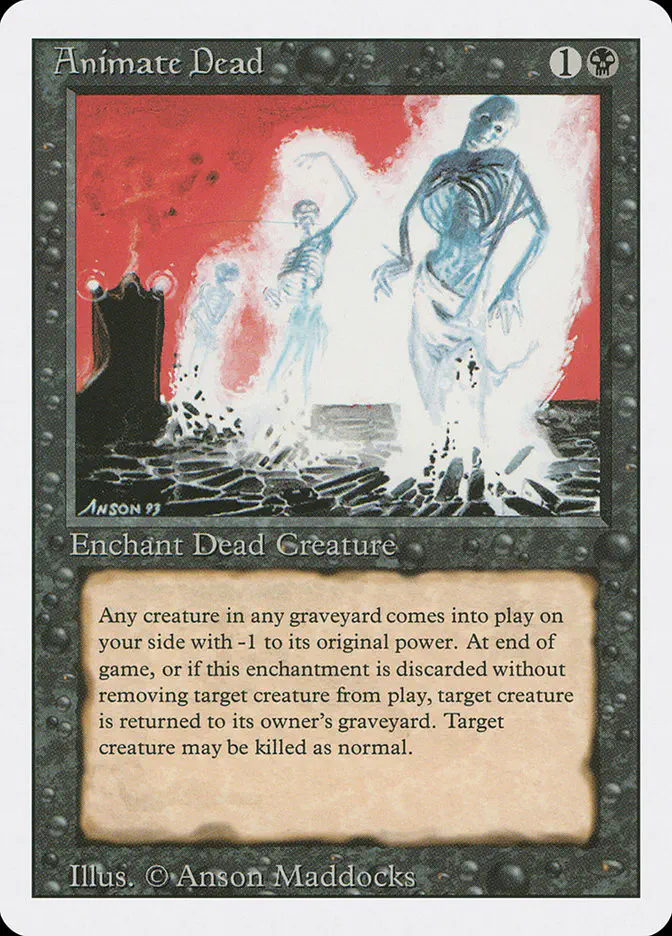
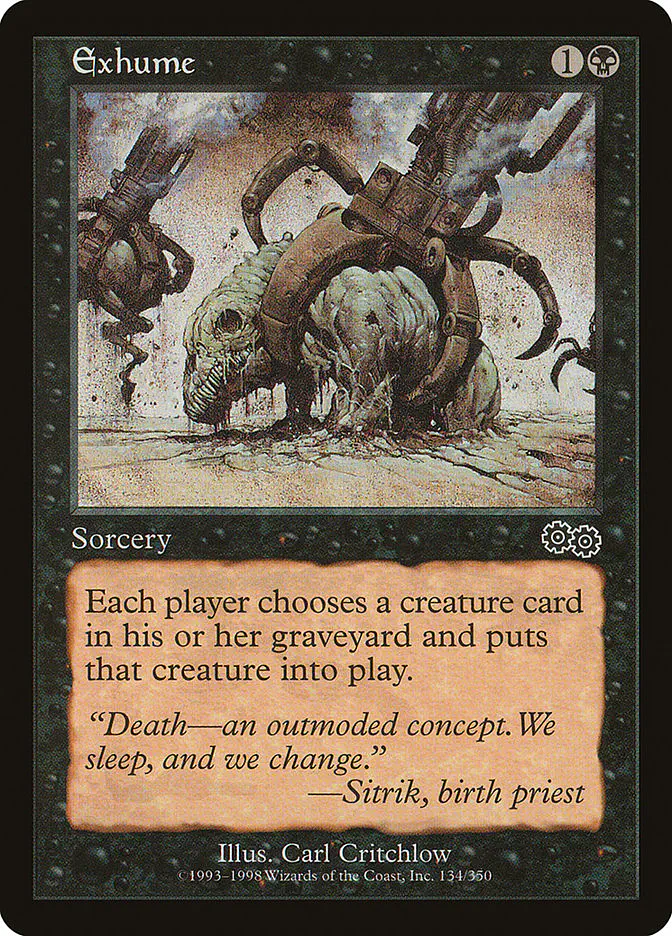
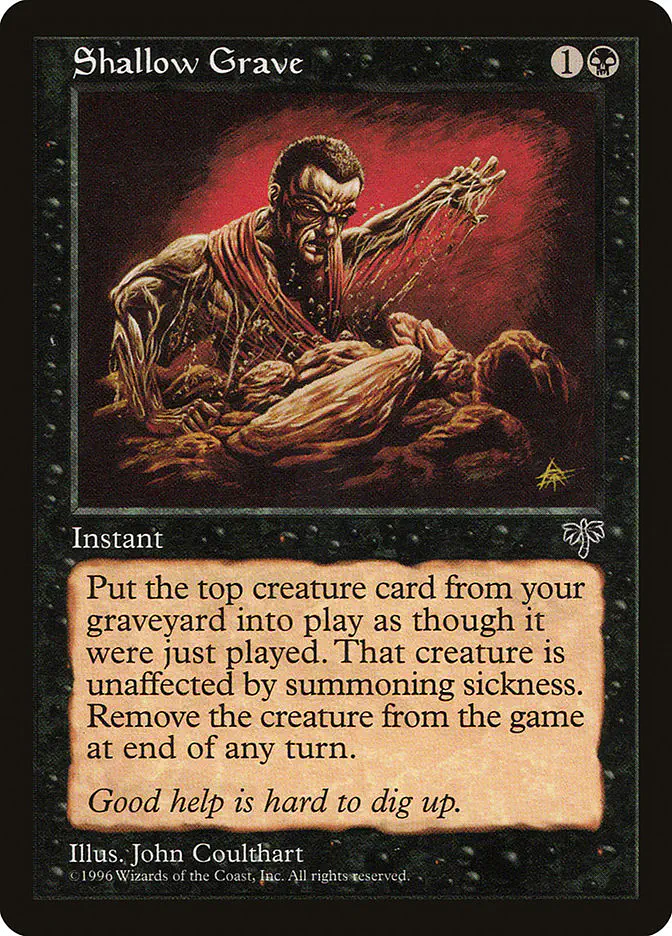
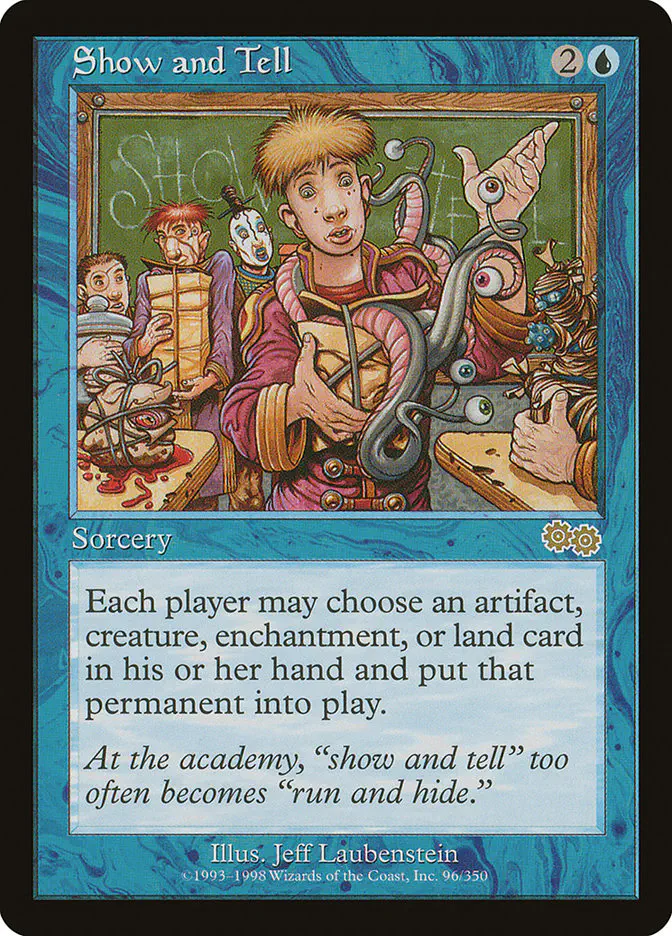
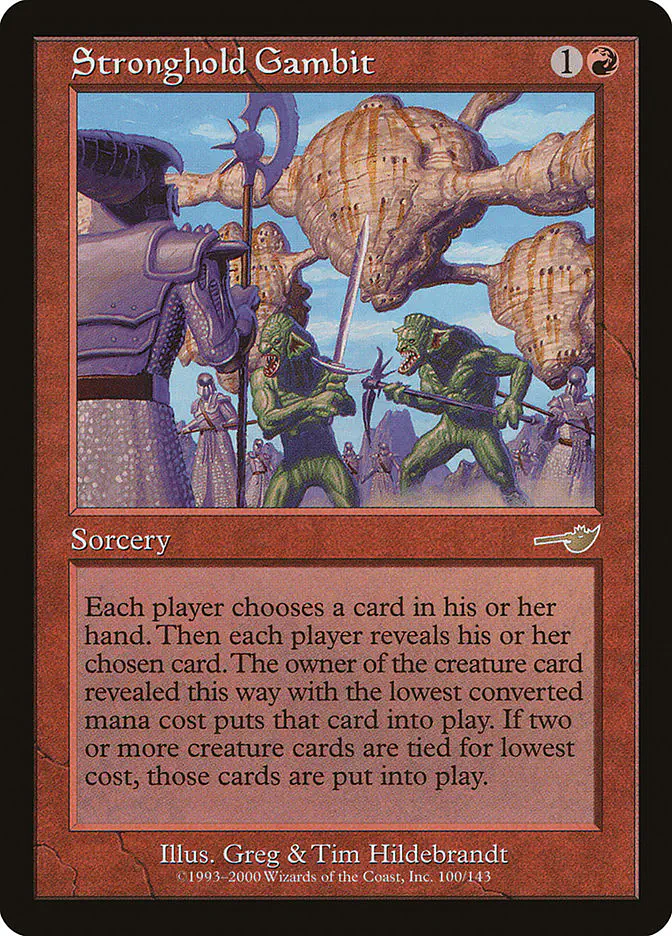
Almost as old as the deck itself is the tech of pairing it with a Transformative Sideboard built around Show and Tell. This famous sorcery allows us to bypass our graveyard entirely, putting massive creatures directly from our hand onto the battlefield and rendering any graveyard hate the opponent brought in useless. The same logic of Show and Tell was also shared by the card Stronghold Gambit. Just like other sideboard styles, you don't necessarily have to run a fully transformative sideboard, though this approach might require it. In this particular case, I've seen Reanimator lists in tournaments with only two copies of Show and Tell and the rest of the sideboard built to fight a specific color or strategy, just as I've seen Reanimator with an almost entirely transformative sideboard packing 4 Show and Tell and 4 Stronghold Gambit.
The second example comes from recent competitive Standard. It's more subtle and highly refined, but it perfectly illustrates the concept. At the Pro Tour Secrets of Strixhaven, held in Las Vegas from May 1 to 3, 2026, Matt Nass showed up with a deck dubbed Ouroboroid. He finished fourth—an incredible result. The deck was a linear aggro deck utilizing small creatures to ramp its mana base and get consistently pumped by Ouroboroid. His sideboard featured a highly pronounced transformative plan. It integrated four copies of Nature’s Rhythm and a Craterhoof Behemoth, allowing the deck to morph into an explosive combo strategy on demand, leaving the opponent unable to reliably predict its Fundamental Turn.
Flexible Enhancement Sideboard
Finally, let's analyze what Hahn calls the Flexible Enhancement Sideboard.
The core concept here is not to try and counter a color or a strategy, but simply to enhance our maindeck's intrinsic ability to deal with them. The line between this sideboarding style and the first two we studied is thin and blurry. Moreover, these sideboard designs very often blend together.
The key point is that certain decks have an architecture so balanced, linear, and well-tuned that their pilots think: "why should I ruin its equilibrium or momentum by adding cards that only target one or two specific situations?" Usually, this is a dilemma faced by reactive decks, but it's not always obvious. The reasoning makes sense and leads to a single conclusion: bringing in cards that are similar to the ones you are taking out, which function the same way, but have greater efficacy against specific situations.
For example, if we were playing Control in Pioneer, we would probably run 4 or more board wipes in the maindeck:
- Supreme Verdict
- Temporary Lockdown
- Ultima
And 8 spot removal spells:
- March of Otherworldly Light
- Get Lost
- Erode
We would also have a very clear game plan: answer every possible threat with value, transition into the late game, and drop our win conditions (The Wandering Emperor and Teferi, Hero of Dominaria) once the opponent is left with nothing but the illusion of being able to fight back. In a deck like this, what would we bring in post-board against Greasefang? We are facing a midrange deck with a massive ability to utilize the graveyard, so we could bring in some form of graveyard hate.
However, this would require us to play somewhat proactively and give up some of our answers to execute that plan. But the deck is built to generate value by reacting, so bringing in a highly specific card that is dead in any other matchup might not be optimal, especially since we already have a solid ability to fight the deck with our maindeck configuration.
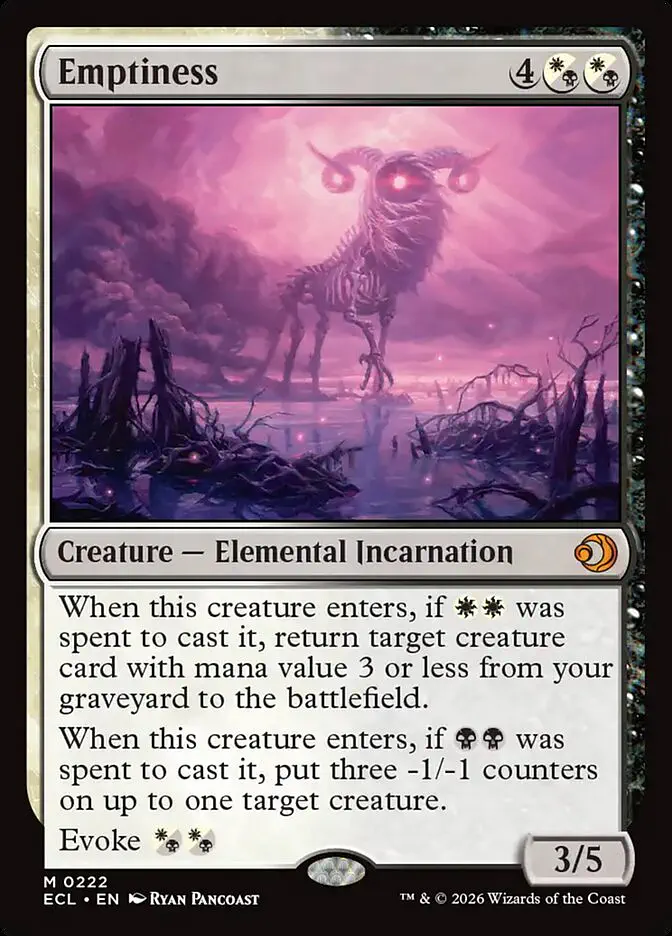
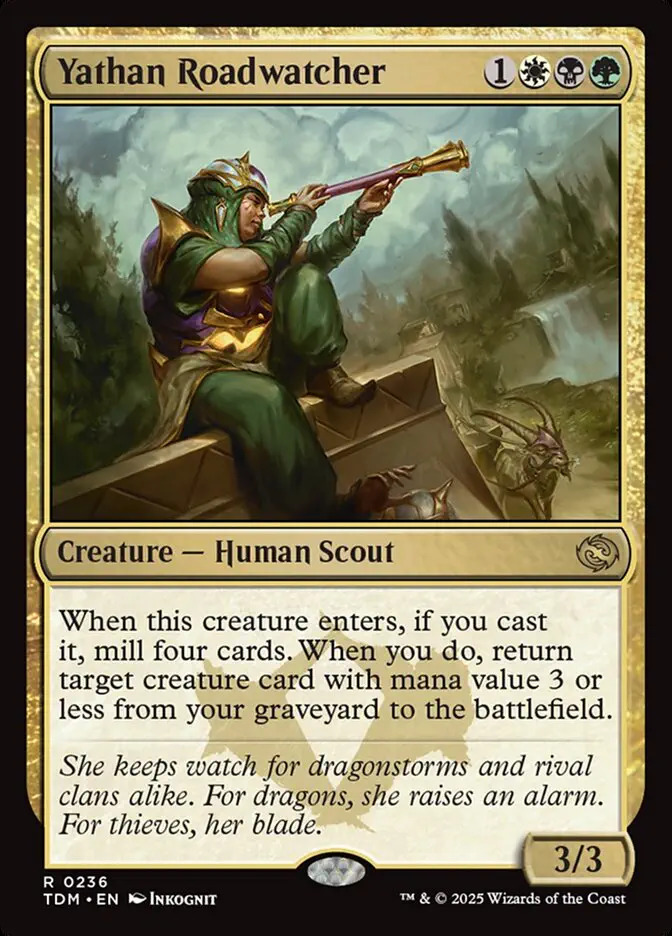
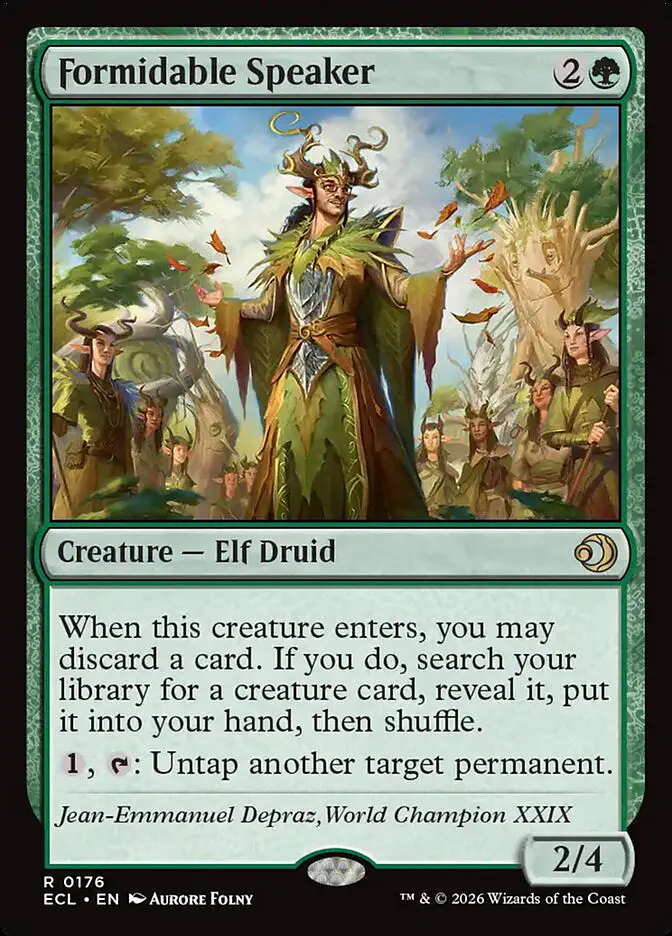
Instead, we could add more counterspells to prevent their creatures from hitting the board and triggering ETBs like those of Emptiness, Yathan Roadwatcher, or Formidable Speaker. In this case, we would have built a Flexible Enhancement Sideboard that doesn't alter the quality or playstyle of our maindeck, but merely enhances its ability to answer a specific situation. This type of sideboarding might seem like the simplest, but it is actually the most complex. It requires you to know an archetype inside out—something that only comes with practice—and to settle for non-defining advantages post-board. Anything to keep from disrupting your own momentum in the game.
Next Chapter: Conclusion >>
<< Previous Chapter: General Principles of Deckbuilding