


Building a Commander deck might seem simple: pick a legendary creature you like, grab ninety-nine cards in its colors, and try to play. But then, the first real games happen, and we often realize something isn't working.
The deck doesn't draw enough cards. It doesn't make mana. It has too many expensive cards. It can't remove problematic permanents. Or it does amazing things, but only when opponents let us get to turn eight undisturbed.
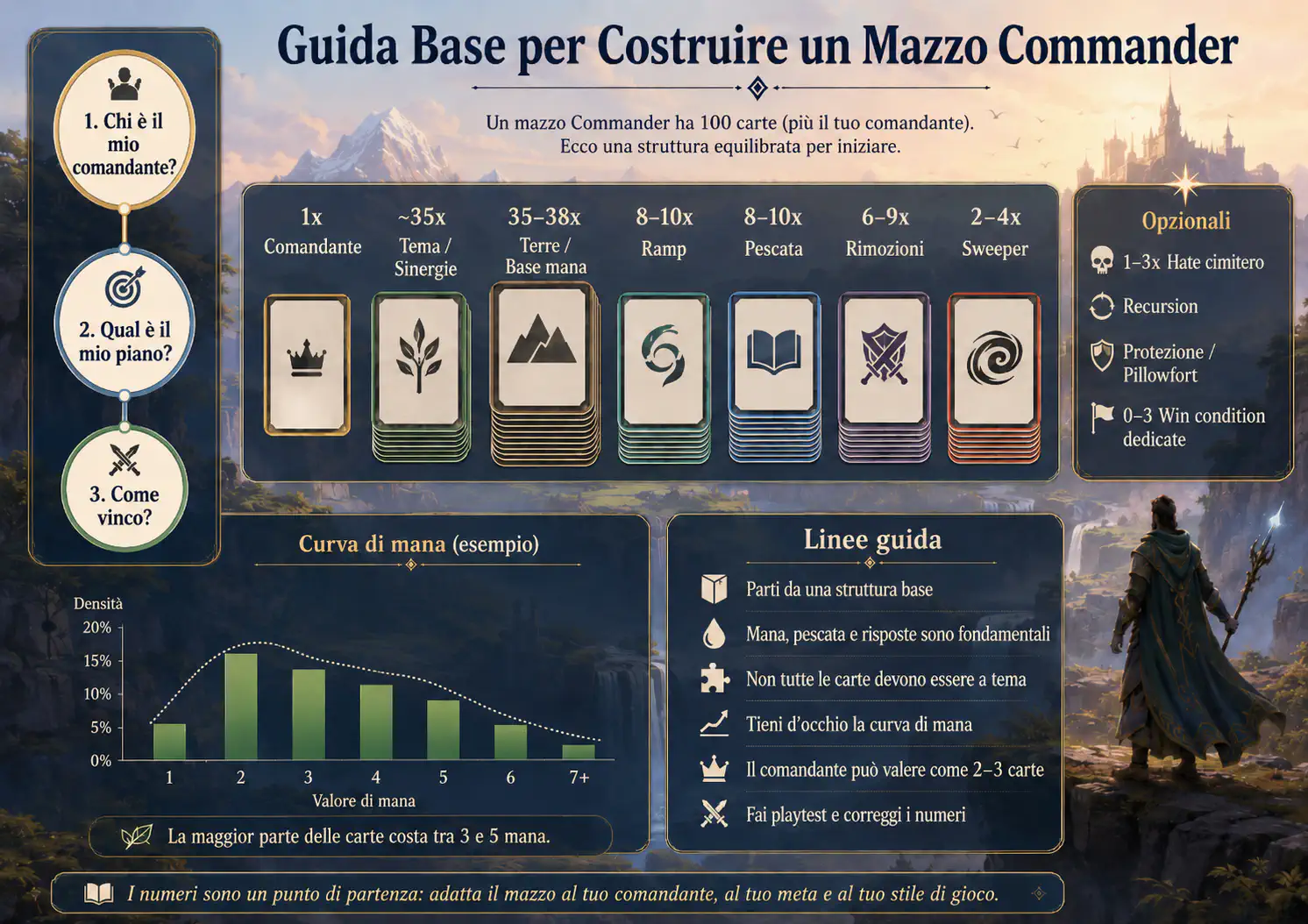
Here's an infographic, originally created as a beginner's guide to Commander deck building, that clarifies exactly this point: even before thinking about combos, imaginative synergies, or "style" cards, a Commander deck needs to be able to function.
The Foundation: Half the Deck Helps the Deck Play
The first fundamental concept is that a Commander deck cannot be composed solely of thematic cards. Even the most tribal, most flavorful, or most combo-oriented deck needs a functional structure.
On average, a huge portion of the list is taken up by "utility" categories: lands, ramp, card draw, removal, board wipes, and graveyard answers. Only after covering these elements can we fill the rest with the deck's main theme.
A very simple starting structure can be this:
- 35-38 lands
- 8-10 ramp cards
- 8-10 card draw or card advantage sources
- 6-9 spot removals
- 2-4 board wipes (global removals)
- 1-3 graveyard hate cards
- approximately 30-35 cards dedicated to the main theme
- optional slots for recursion, protection, or specific win conditions
These numbers are not law, but a starting point. A spellslinger deck will play fewer creatures. A lands deck might play more lands. A very aggressive deck can lower its curve and reduce some expensive slots. However, for a beginner, starting with such a structure avoids the most common mistake: building a deck full of cool cards but unable to play a normal game.
Lands: Better too many than too few
Commander is a slower format than 60-card, but this doesn't mean you can skip land drops without consequences. On the contrary, precisely because games last longer and spells often cost more, falling behind on mana is one of the quickest ways to not actually play.
For a beginner, 35 lands are the minimum. Many decks want to be between 36 and 38, while lists with very high curves or land-based strategies can go up to 40.
The point is not just how many lands to play, but which lands to play.
Basic lands should not be underestimated. They enter untapped, produce colored mana, and cost nothing. Including too many tapped lands, too many colorless utility lands, or too many "cute" but slow lands can make the deck clunkier than it seems.
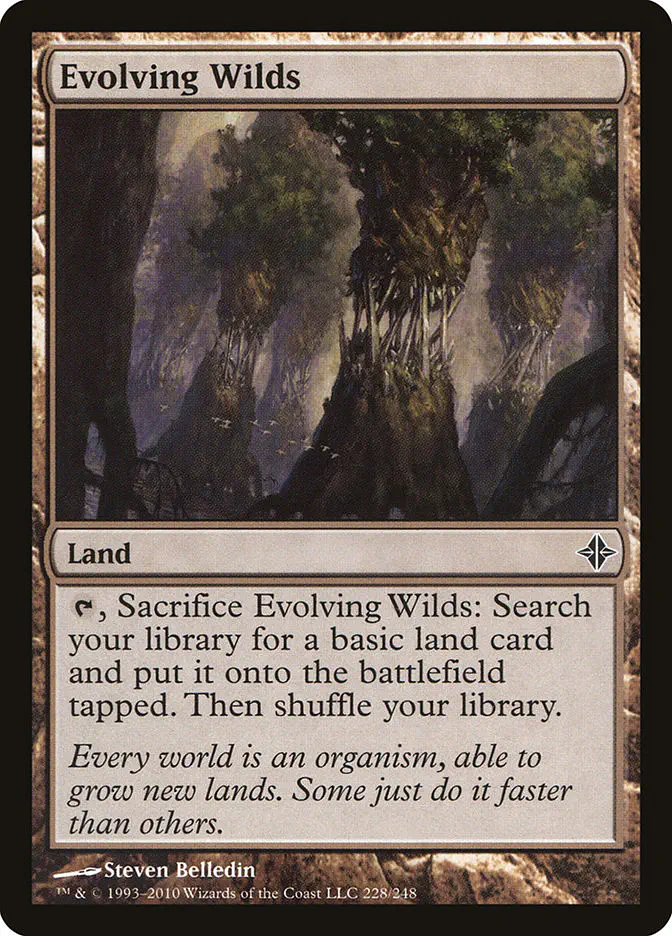
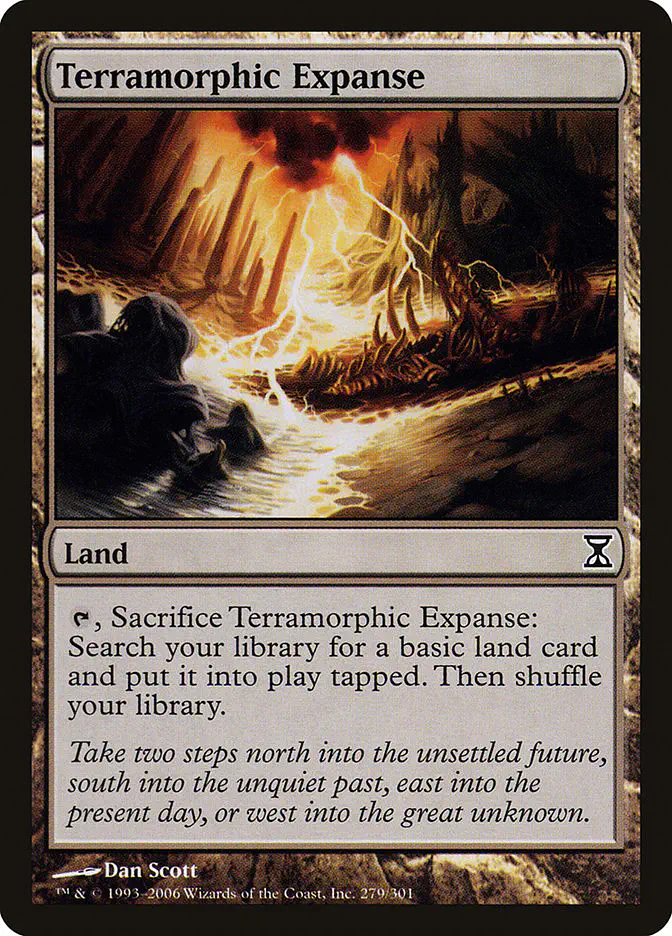
In monocolor, a manabase with many basic lands and few utility lands is often more than sufficient. In two or three colors, you need to balance dual lands, affordable fetches like Evolving Wilds and Terramorphic Expanse, rainbow lands, and basic lands. From three colors upwards, Command Tower becomes practically mandatory.
The practical rule is simple: a land that enters tapped must truly give us something in return. If it only slows down our development, it might not be worth the slot.
Ramp: The first element new players cut, but shouldn't
In the comments to the guide, many players emphasize one point: ramp is often too low in beginner lists.
Five ramp cards might seem enough, but in Commander, they risk being too few. Most casual decks should start with at least 8-10 acceleration sources, going even higher if the commander costs a lot or if the deck wants to quickly reach six or seven mana spells.
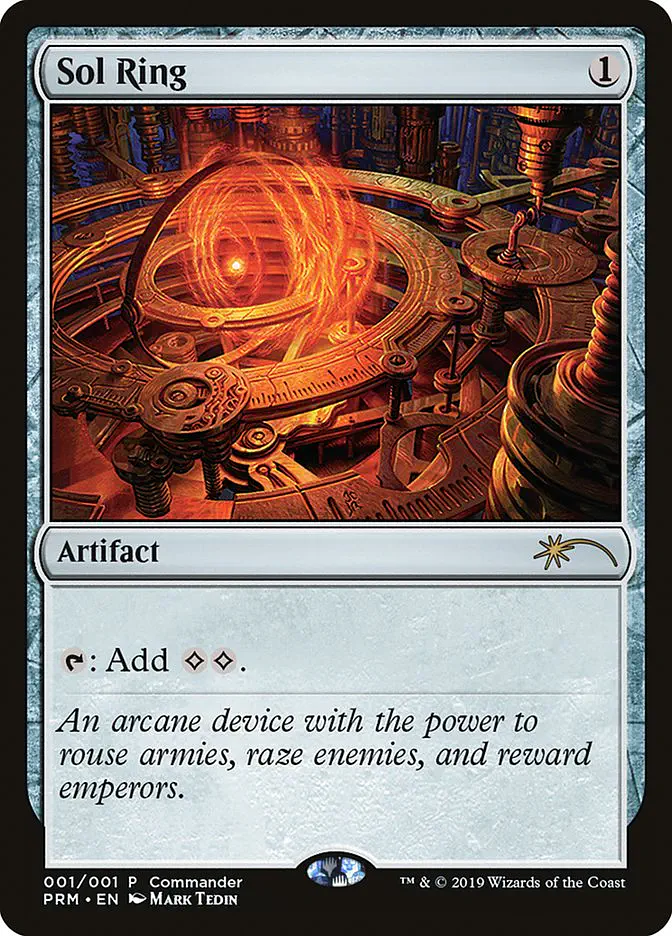
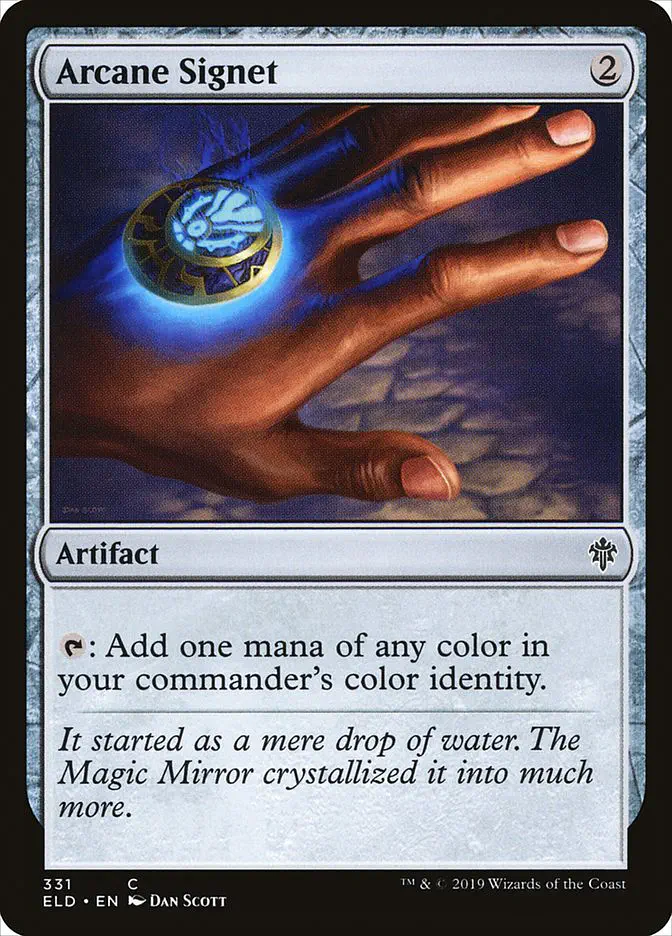
Ramp can be done in many ways. Artifacts like Sol Ring, Arcane Signet, Mind Stone, and the various Signets are among the simplest options. Green can use spells like Rampant Growth, creatures like Llanowar Elves, or cards that put lands directly onto the battlefield.
The important thing is to understand the relationship between ramp and curve.
If our commander costs four mana, a two-mana rock allows us to cast it one turn earlier. A three-mana rock, however, often doesn't really change the timing. In a deck with a five-mana commander, on the other hand, even three-mana ramp can make much more sense.
Not all ramp is equal. You should always ask yourself: does this card truly accelerate my plan?
Card Draw and Card Advantage Are Not the Same Thing
Another point that emerged from the discussion concerns the difference between "drawing a card" and generating true card advantage.
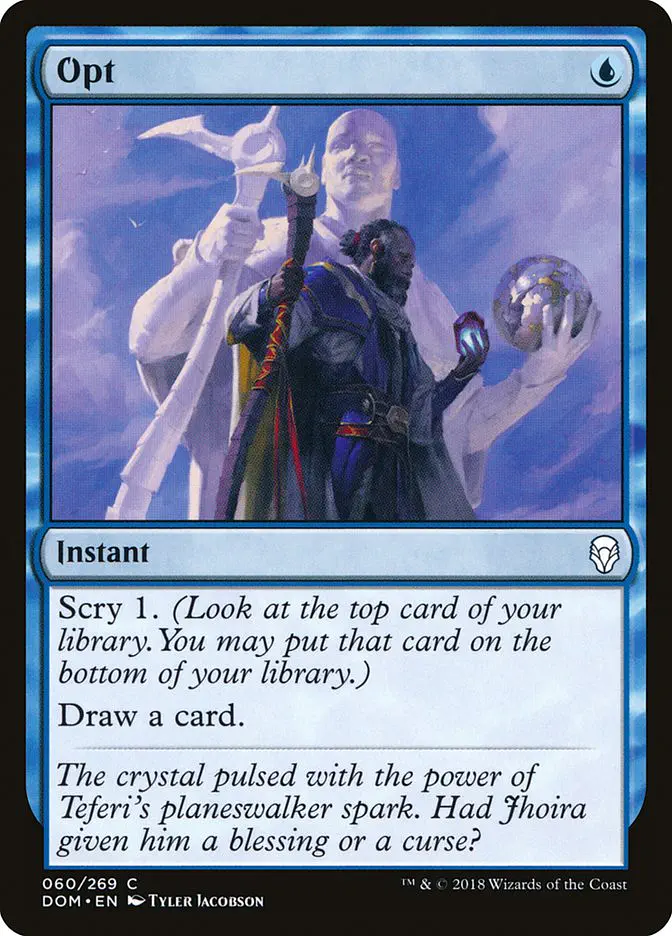
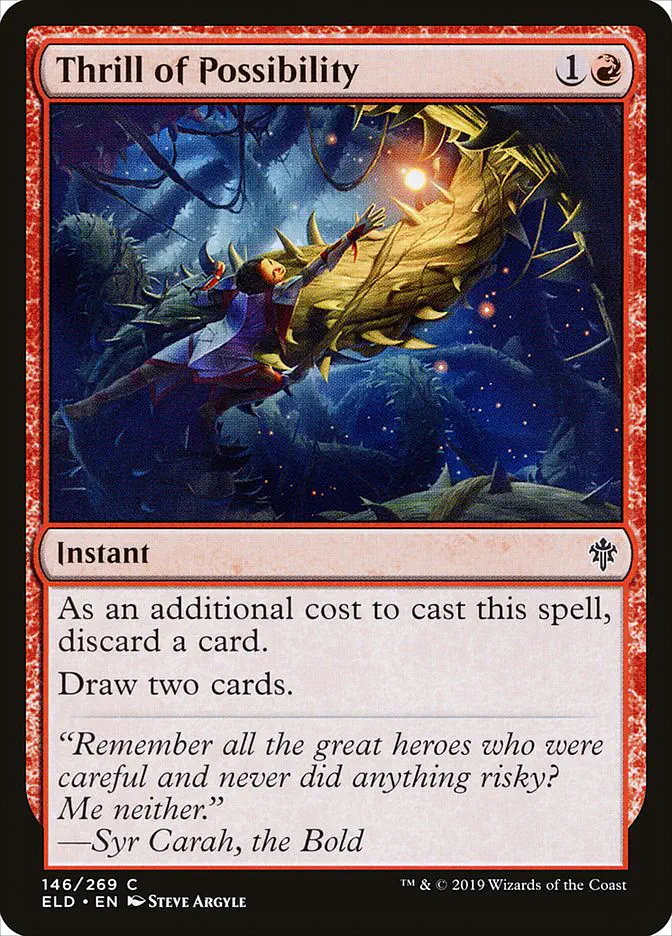
Cards like Opt or Thrill of Possibility can filter your hand, improve the quality of draws, or put cards into the graveyard, but they don't always increase the total number of available resources. They are great in some decks, but shouldn't be confused with effects that genuinely put you ahead on cards.
In Commander, where you often play multiple cards per turn between lands, ramp, and spells, running out of cards in hand is very easy. This is why a deck should have at least 8-10 ways to generate cards or access more resources.
Card advantage can take many forms: direct draw, exiled cards you can play, recursion from the graveyard, permanents that create value every turn, or creatures that draw cards when they enter or attack.
The important thing is not to build a deck that only works if your opening hand contains everything. If your plan stops as soon as you've spent the first seven cards, you're missing an engine.
Removals: Don't just call them removal, call them interactions
A Commander deck must be able to respond to what opponents do. This means playing removals for creatures, artifacts, enchantments, planeswalkers, and, when possible, lands or graveyards too.
The more correct term is "interaction." We don't just want to destroy creatures. We want to prevent opponents from winning, stop overly strong engines, manage combos, and respond to permanents that lock us out of the game.
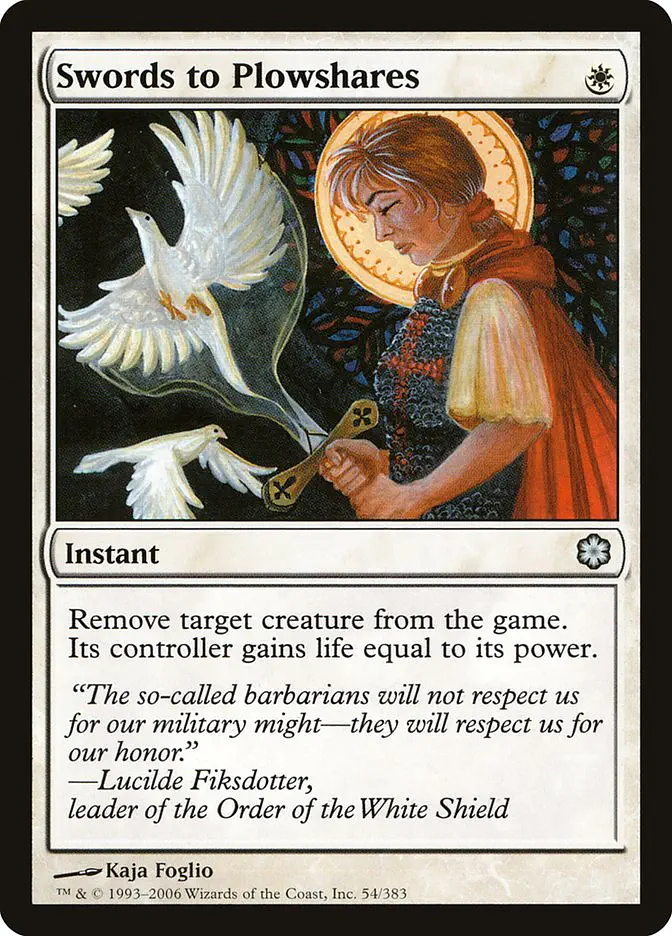
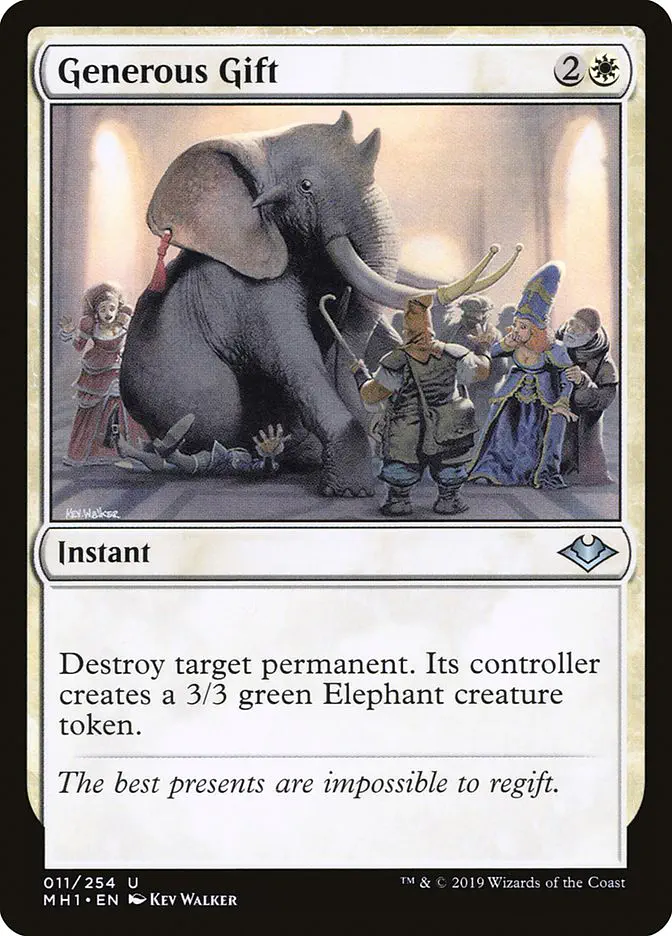
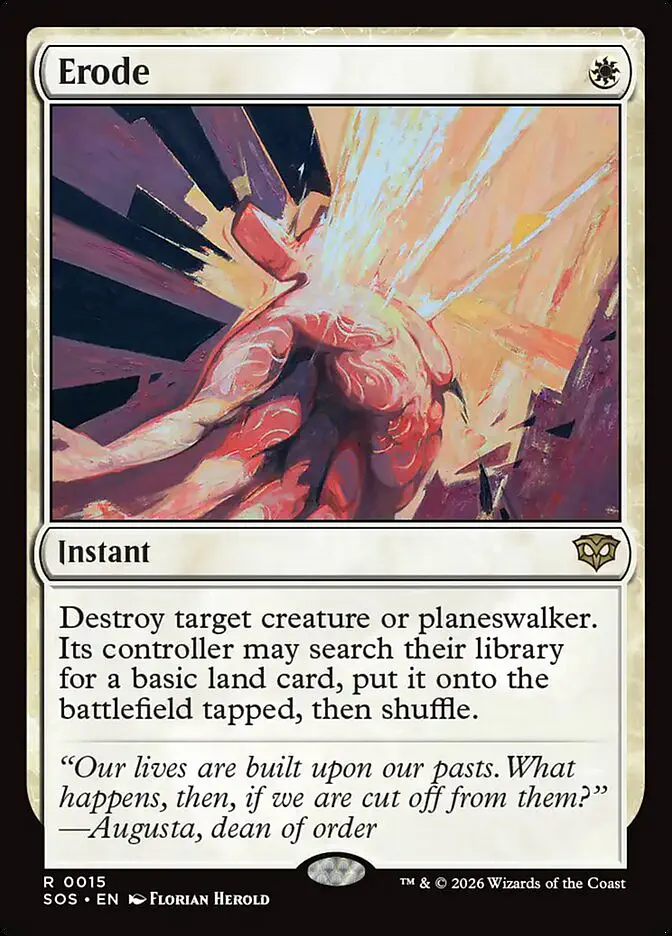
A good starting point is to have 6-9 spot removals. In white, we find effects like Swords to Plowshares and Generous Gift. Black has very efficient creature removal. Green handles artifacts and enchantments well. Blue can use counters and bounce. Red removes creatures and artifacts, but often struggles against enchantments.
The choice of removals should also depend on the table. If the group plays many combos, cheap answers will be needed. If the meta is full of huge creatures, damage-based removals might not be enough. If everyone uses graveyards, graveyard hate cannot be an afterthought.
Board Wipes: When the Table Gets Out of Hand
Spot removals aren't always enough. Sometimes an opponent floods the board with creatures. Sometimes everyone develops too much and no one can attack anymore. Sometimes we're simply behind.
This is why almost every Commander deck should have 2-4 sweepers.
A board wipe doesn't necessarily have to destroy all creatures. It can hit artifacts, enchantments, small creatures, large creatures, or all permanents of a certain type. The important thing is to have a way to reset the game when the board becomes unmanageable.
Those who play creatures will have to choose asymmetrical board wipes or build their deck to recover better than others. Control players can afford more radical mass removals. Combo players often just want to buy a turn.
Graveyard hate: few slots, but essential
Many Commander decks use the graveyard as a second hand. Recursion, reanimation, flashback, escape, delve, and value engines can transform the graveyard into an enormous resource.
This is why even a casual deck should have at least 1-3 cards dedicated to countering the graveyard.
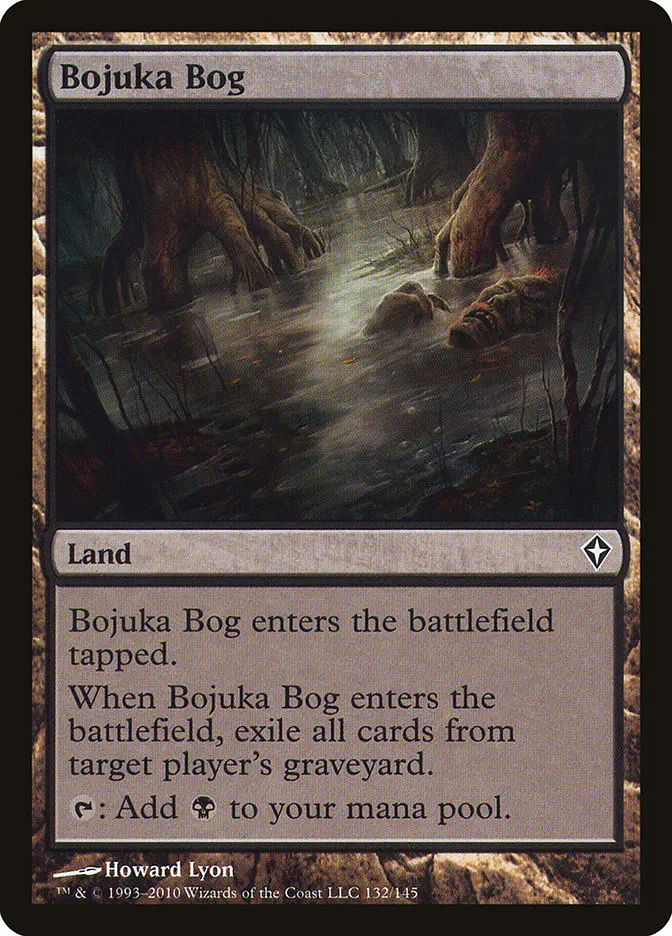
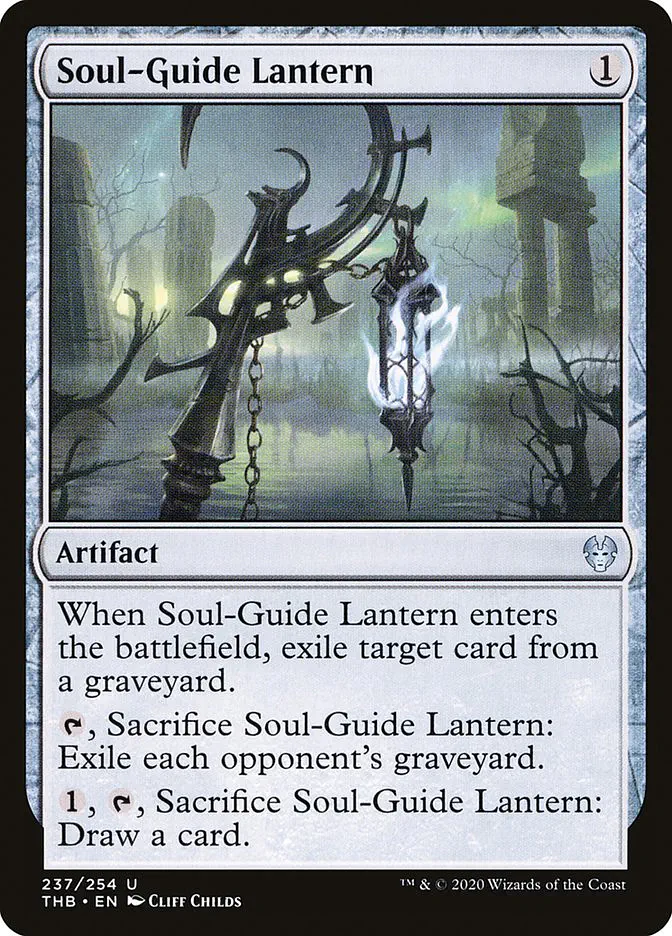
Bojuka Bog is one of the simplest options because it takes up a land slot. Soul-Guide Lantern, Tormod's Crypt, and Relic of Progenitus are cheap and easy-to-include examples. Some colors have more specific answers, but the concept remains the same: if no one at the table can interact with the graveyard, sooner or later someone will abuse it.
The Deck's Theme: Synergy, Not Random Accumulation
After building the functional structure, comes the most fun part: the theme.
The commander should suggest a direction. It can be tribal, aristocrats, +1/+1 counters, spellslinger, blink, artifacts, lifegain, lands, reanimator, or anything else. However, the theme shouldn't be a pile of vaguely connected cards.
Every thematic card should do at least one of these things:
- advance the main plan
- protect the commander or the engine
- generate repeated value
- close out the game
- function even when the commander isn't on the battlefield
This last point is very important. A common mistake is building a deck that is completely dependent on the commander. In Commander, the commander is always available, but can be removed, taxed, or countered. If the deck does nothing without them, every game becomes fragile.
Mana Curve: The Deck Needs to Play Before Turn Five
A good Commander list doesn't just need strong cards. It needs to be able to play in the early turns.
The mana curve should have a reasonable shape. We don't want too many five-mana cards, because in the first four turns we'll be stagnant, and from the fifth turn onwards, we'll have too many spells competing for the same mana slot.
A casual deck can afford expensive spells, but it needs enough two and three-mana cards to develop. Ramp, cheap draw, useful creatures, and light interactions are what allow us to reach the midgame without already being out of the game.
A good test is to ask: what does my deck do in the first four turns?
If the answer is "almost nothing," the problem isn't bad luck. It's the deck construction.
Counting the Commander as Part of the Deck
A useful tip is to consider the commander as occupying multiple functional slots.
If the commander is a source of card draw, we can perhaps slightly reduce other draw engines. If it's repeatable removal, we can slightly decrease the number of removal spells. If it costs four mana, perhaps we don't want to overload the deck with other four-drops.
This doesn't mean being completely dependent on the commander, but avoiding unbalanced redundancies. The commander is always accessible, so it greatly influences the list's structure.
Playtesting: The part many skip
Theory is useful, but playtesting is essential.
Even without playing complete games, just taking a few test hands is enough to understand if the deck truly starts. Draw seven cards, play the first five turns by yourself, and observe what happens.
Do we have enough lands? Do we play something before turn four? Do we have ramp? Do we draw cards? Do we have too many expensive spells in hand? Does the commander enter when it should?
Repeating this test ten or fifteen times reveals more problems than it seems. If the deck doesn't work by itself in the early turns, it's unlikely to work with three opponents trying to stop us.
Useful tools: Scryfall, EDHREC, and deckbuilders
For building Commander, online tools are fundamental.
Scryfall is probably the best search engine for finding cards. It allows you to filter by color, mana cost, text, type, Commander color identity, and much more. Adding filters like commander color identity helps avoid cards not legal in the list.
EDHREC is useful for seeing what other users play with the same commander or similar themes. It shouldn't be used to automatically copy a list, but to understand which cards appear frequently and which synergies we might have overlooked.
Deckbuilders like Archidekt, Moxfield or similar, on the other hand, help visualize the curve, categories, colors, number of lands, and card distribution.
No Formula Is Perfect
The most important lesson is that there is no perfect formula for building Commander.
The numbers serve as a scaffolding, especially when we're starting out or when a deck isn't working. Once we understand the why of each category, we can deviate. We can play more lands, fewer creatures, more ramp, more protection, or more win conditions based on the commander, the meta, and our style.
Commander is a creative format, but creativity works best when the deck can actually do its thing.
First, build a solid foundation. Then, break the rules with informed judgment.