


Standard consistently proves to be the best-paced among competitive formats for balance, gameplay skill, variety, strategic depth, playable archetypes, sense of passion, fun, and much more. Except for some rare and brief periods when the meta lacks charm (e.g., Vivi in the Mirror), Standard remains the happiest haven for players who enjoy challenging themselves and truly discovering how deep the rabbit hole goes. However, its vibrant and protean nature can discourage those who feel they don't have enough time to keep up with its evolutions. To address this critical issue, three months ago, the column "The Top 4 Things To Know About Standard This Week" was founded, exclusively for Metagame. This series of weekly articles tackles Standard from multiple perspectives. Accurate, thoughtful, competent, competitive, and exhaustive, the column covers everything happening in our favorite rotating format. It analyzes the most important international tournaments, reads the meta, reports the latest game news, showcases decks and cards, tracks prices, weighs changes, reports banlist updates, and evaluates editions entering and leaving the format. This multidimensional approach is condensed into 4 concise points presented each week. The column serves as a format compass, useful for all players, regardless of their level of preparation.
Besides a compass, however, a good explorer also needs a map. For this reason, "The Top 4 Things To Know About Standard This Week" will release three quarterly specials and one annual special, due in December. These unique editions will revisit all the progressions the format has made over three months and identify those that have stood the test of time—those that have truly shaped MTG's history and did not turn out to be brief flashes in the pan.
1| From Lessons to MonoG. Avatar, the Last Airbander is the most relevant edition of the last 3 months.
On November 14, 2025, Avatar, the Last Airbander made its prerelease debut. This Universe Beyond edition proved to be extremely enjoyable even in Limited, despite some initial criticism. This disdain, in my opinion, was entirely unfounded if our interest lies in gameplay affinities. Avatar quickly became increasingly pervasive in players' deckbuilding, until, in the World Championship 31, held on December 5, 2025, Seth Manfield claimed first place with a deck completely inspired by the edition: 
 Lessons. The same mono-edition deck was massively brought to that tournament. These are the premises with which January 2026 opens. We have Lessons making its debut as the format's dominant deck, and
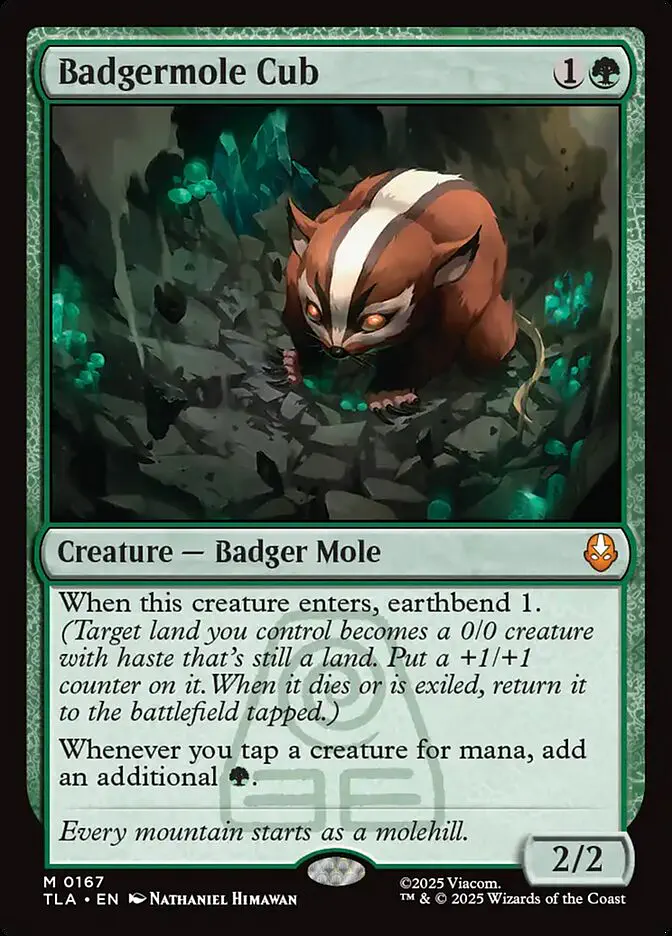
  Cub decks beginning to emerge. Over the three months considered, the meta's evolution shifted from one aiming to counter Lessons, finding the most effective way to do so in Cub decks, to a meta focused on managing Cub in every possible way because it had become more problematic than Lessons, to a meta generally trying to manage bases and green bases with Badgermole evolving into landfall or Rhythm strategies. This development path follows some underlying patterns that I will try to clarify. One thing is immediately clear: Avatar cards are heavily ingrained in the vast majority of the format's most popular decks, where they represent extremely relevant, irreplaceable parts. Even many decks with excellent win rates that try to play other lines not supported by the edition (e.g., Prowess) end up including four copies of Boomerang Basics, which cannot be foregone. It's true that there are decks where Avatar cards aren't so impactful that they can't be played without them (or are not present at all), for example,
  Excruciator, which only includes about two copies of Day of Black Sun to answer green and white bases. But the overall picture is one of the edition's deep persistence in the format.
Boomerang Basics
Sorcery — Lesson
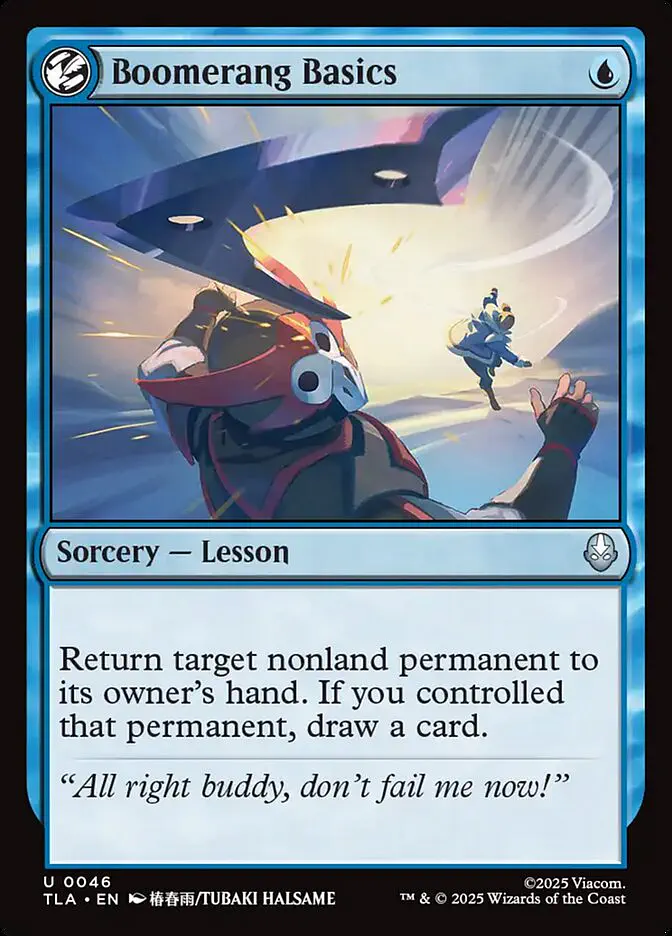
Boomerang Basics
Sorcery — Lesson
Return target nonland permanent to its owner's hand. If you controlled that permanent, draw a card.
2| How the format's bosses have changed
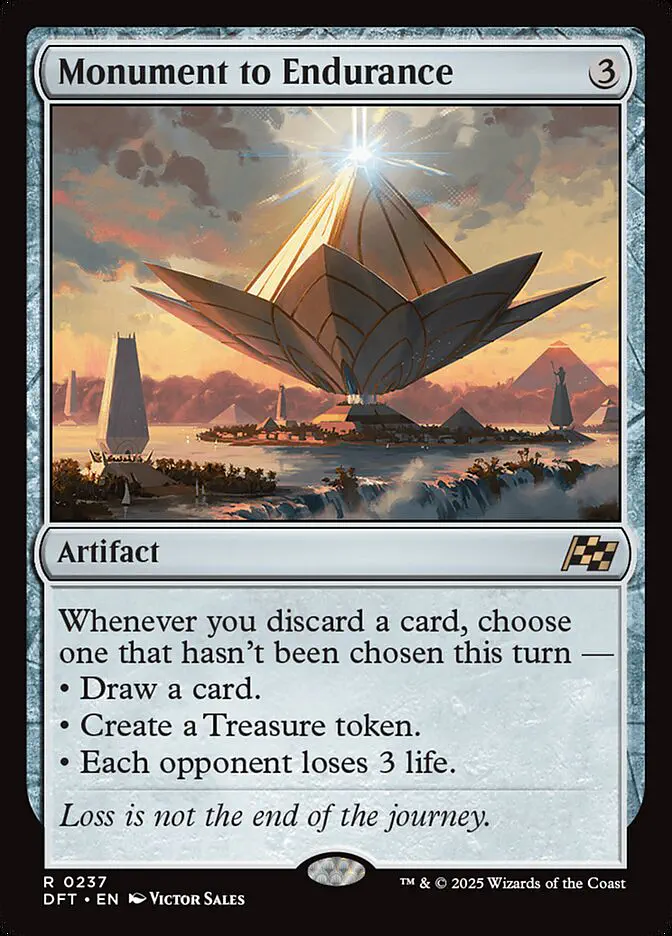
Starting with Tier 1, Lessons initially featured a deckbuilding composed of an engine compartment, a support compartment, and all other deck resources, namely the Lesson spells and the lands to play them. The engine compartment was and still is formed by Artist’s Talent and Monument to Endurance. The support compartment, however, derived its purpose from the interaction between Boomerang Basics and Stormchaser's Talent. The latter still exists and is seen in played lists. However, the evolution of the deck from then to now lies precisely in the removal of this card package and its Plan B for victory. The reason is the continuous decline in the competitiveness of control strategies. Boomerang Basics and Stormchaser's Talent are a very strong start only against this archetype. Its slow fading leads players to lean towards a deck brew more focused on its Plan A, excluding Plan B. In absolute terms, what is often heard—that the strongest version is without the support package—is incorrect. In modern Magic, having multiple win conditions in a single deck is statistically and logically advantageous. The accurate comment is that removing Boomerang Basics and Stormchaser's Talent is more convenient in the current meta, but in absolute terms, the deck becomes much less versatile. It should always be remembered that if there is one attribute MTG rewards more than any other, it is versatility—in cards, in deckbuilding, and in actual gameplay.
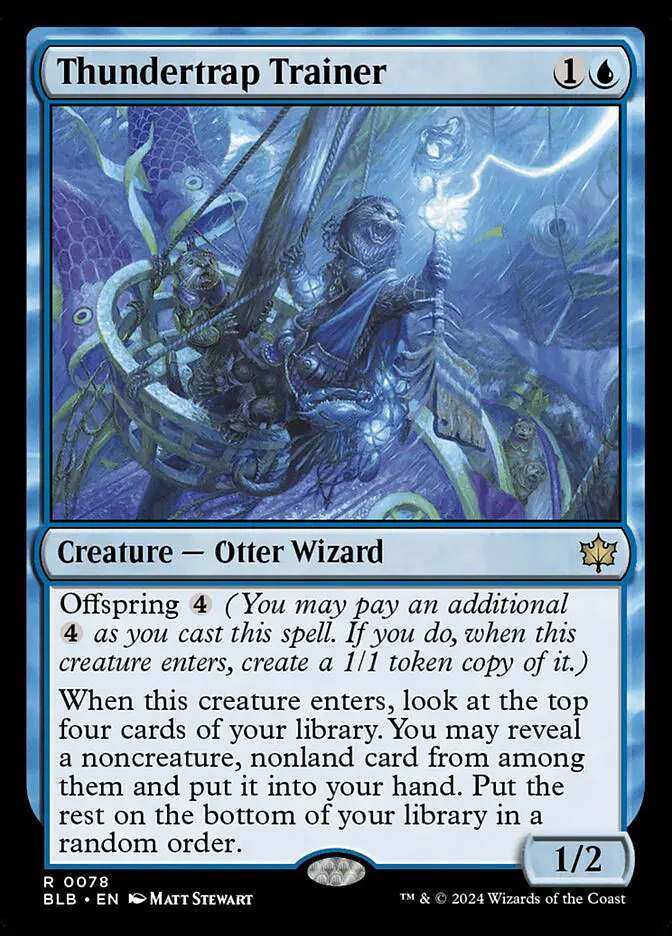
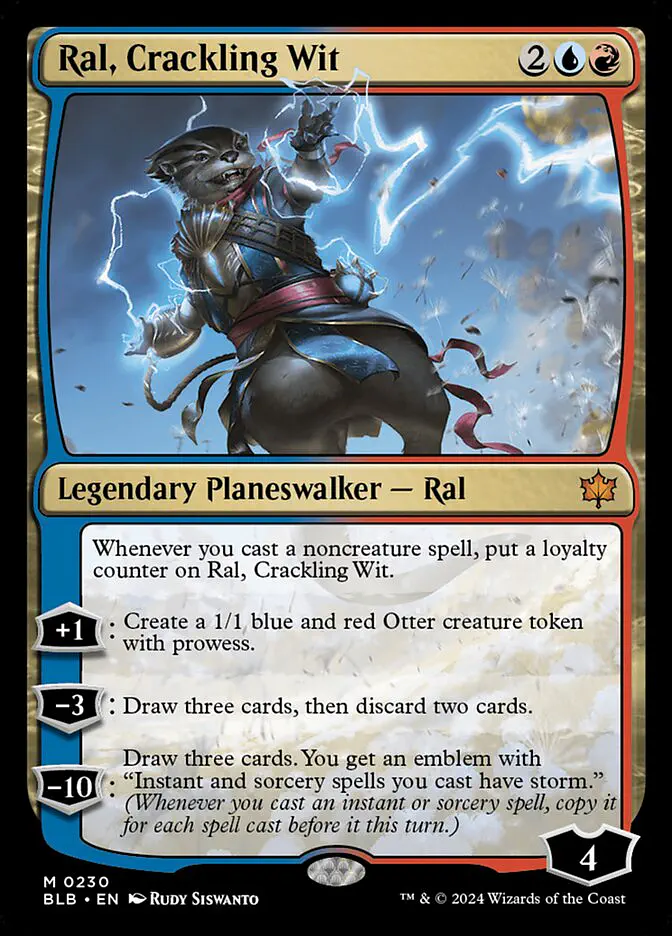
Moving on to Prowess, this deck was born, died, and was resurrected with a new face. Initially, it was played with rather slow creatures that served to gain card advantage and keep the deck's momentum going. It was perhaps even wrong to call it Prowess, given that in early January it was played with only two creatures without that ability: Thundertrap Trainer and Quantum Riddler. The deck's name came from Ral, Crackling Wit and Stormchaser's Talent. Now, however, Prowess is truly what it claims to be. With the mana base update brought by Lorwyn Eclipsed, the deck is stable enough to maintain its tempo. Slickshot Show-Off, Elusive Otter, and Drake Hatcher (the latter only very recently) have been reanimated, and a spell package truly based on cheap removals and cantrips has been found for card quality rather than card advantage, as the deck should do.
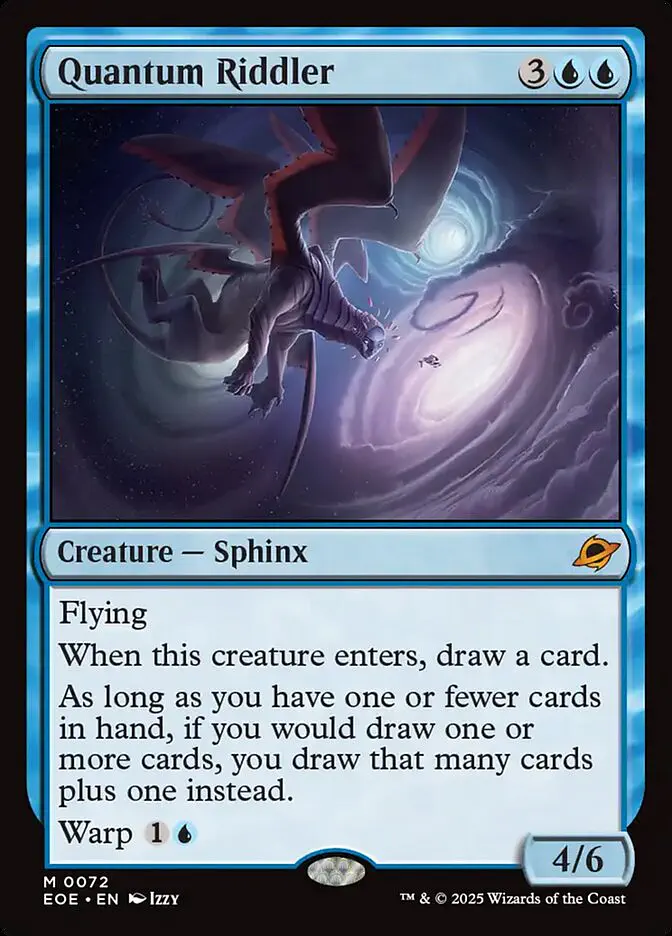
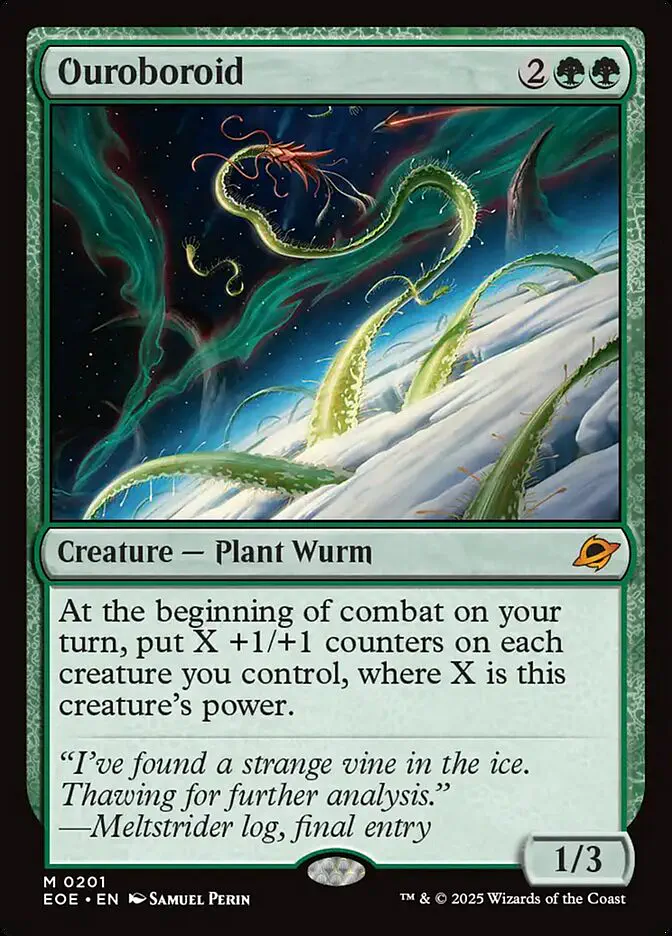
Finally, Badgermole Cub decks transitioned from being a hodgepodge of strong cards that won through the impact of each individual card on the game board (Badgermole Cub, Quantum Riddler, Ouroboroid, Sazh’s Chocobo, etc.), to becoming aggro ramp decks that transformed into combo by integrating Nature’s Rhythm and Craterhoof Behemoth. They then diversified into multiple different play horizons: MonoG Aggro,  Rhythm, and numerous decks that usually aim for midrange.
3| What are the most relevant notes from the rest of the meta
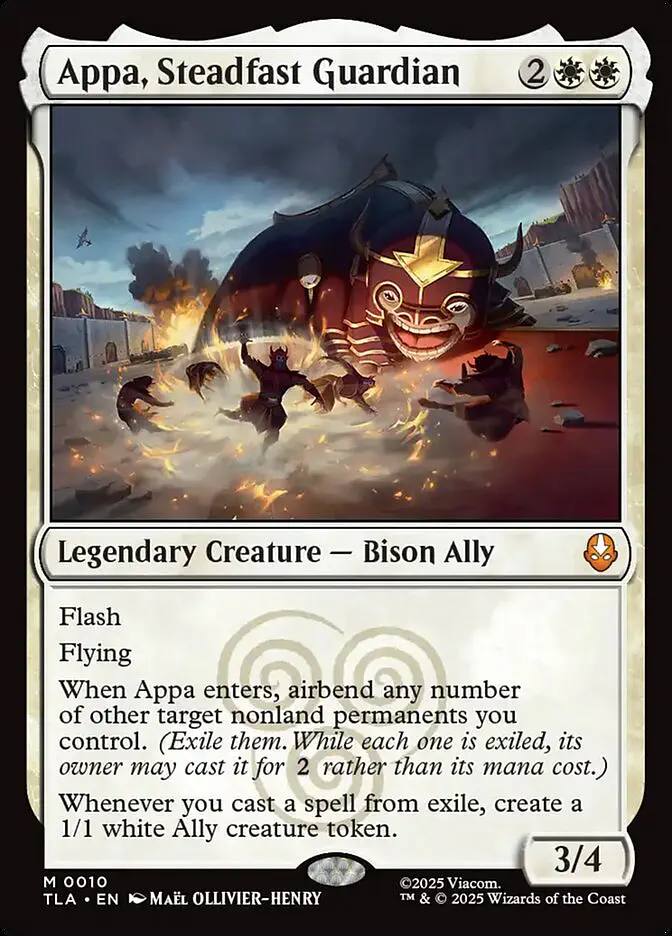
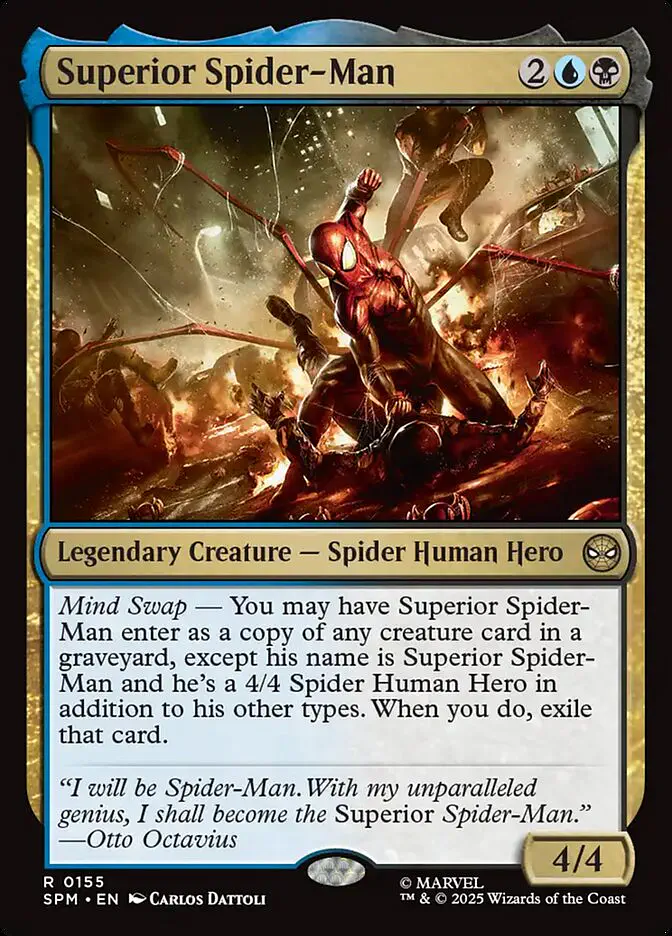
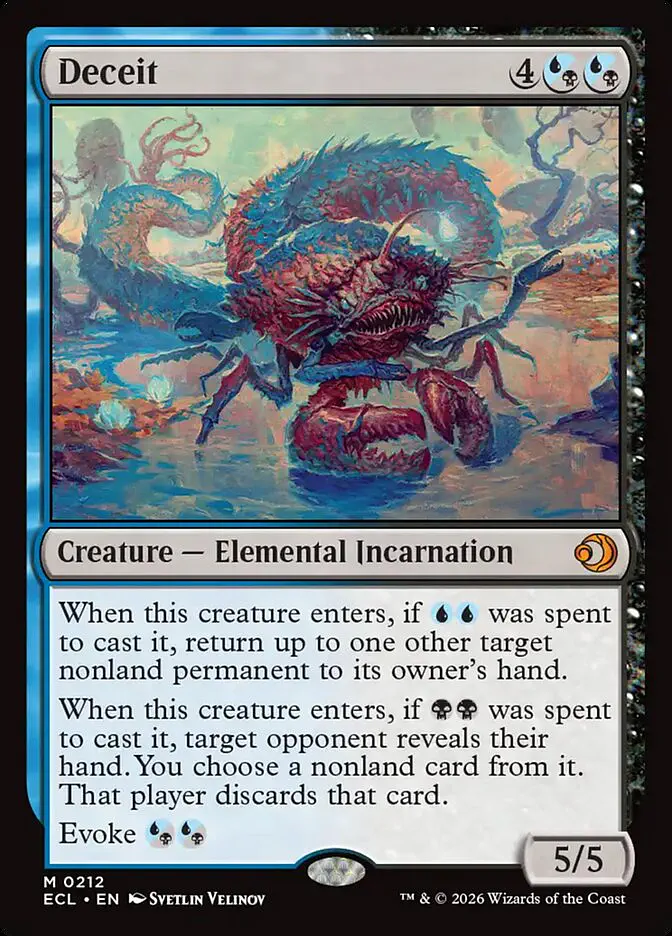
The rest of the meta varies more consistently, driven by other released editions. There's still a part very much tied to Avatar, namely all decks that utilize the ability of Appa, Steadfast Guardian, such as Airbanding and Tempo. Another resilient part brings back the concept of the old reanimator made possible by Superior Spider-Man, combining it with Deceit, released in Lorwyn Eclipsed on January 23, 2026. This is a very consistent power play, as well as a truly impactful dirty play that adapts well to all bases, and even to midrange Kaito decks. The good old Kaito, in its various forms, is losing ground but remains very beloved (by me, first and foremost, even if it's no longer a convenient deck in the current meta).
In early February, a whole new wave of Elemental brews entered the format thanks to Lorwyn. Ultimately, this latest trend solidified into Elementals, leaving very little room for other inefficient "money pile" elemental decks. Then, in March, the release of the Teenage Mutant Ninja Turtles edition (prerelease date February 27, 2026) brought with it interesting cards that gave rise to Monument. It guided it so much that it lost its Monument and remained only with "cool but rude," becoming Rummaging or Discard, if you will. Finally, new performing decks with old cards were discovered and rediscovered. First Dragons, then Momo White, which is preparing to become Momo to integrate nonlinear power plays (especially Quantum Riddler and Parting Gust).
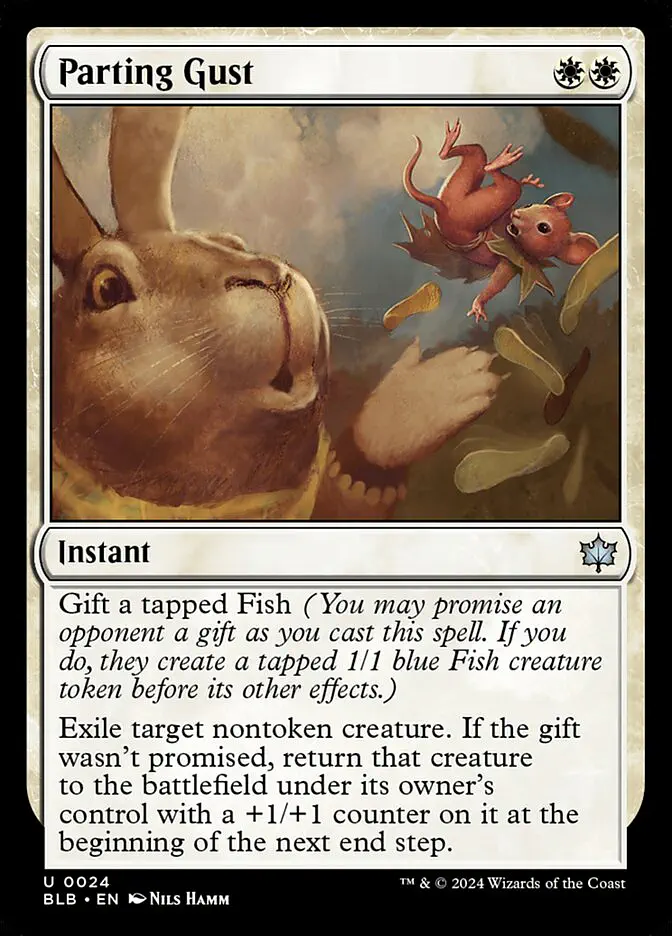
Parting Gust
Instant
Gift a tapped Fish (You may promise an opponent a gift as you cast this spell. If you do, they create a tapped 1/1 blue Fish creature token before its other effects.)
Exile target nontoken creature. If the gift wasn't promised, return that card to the battlefield under its owner's control with a +1/+1 counter on it at the beginning of the next end step.
4| The cards that remain
Which cards have remained widespread in play over these three months? Many Avatar cards, and this was already clear from point 1. Especially Badgermole Cub, Boomerang Basics, and Wan Shi Tong, Librarian. But also many spells brought by Lorwyn, like Spell Snare, Sear, and Requiting Hex, are showing their strength and seem to be here to stay.
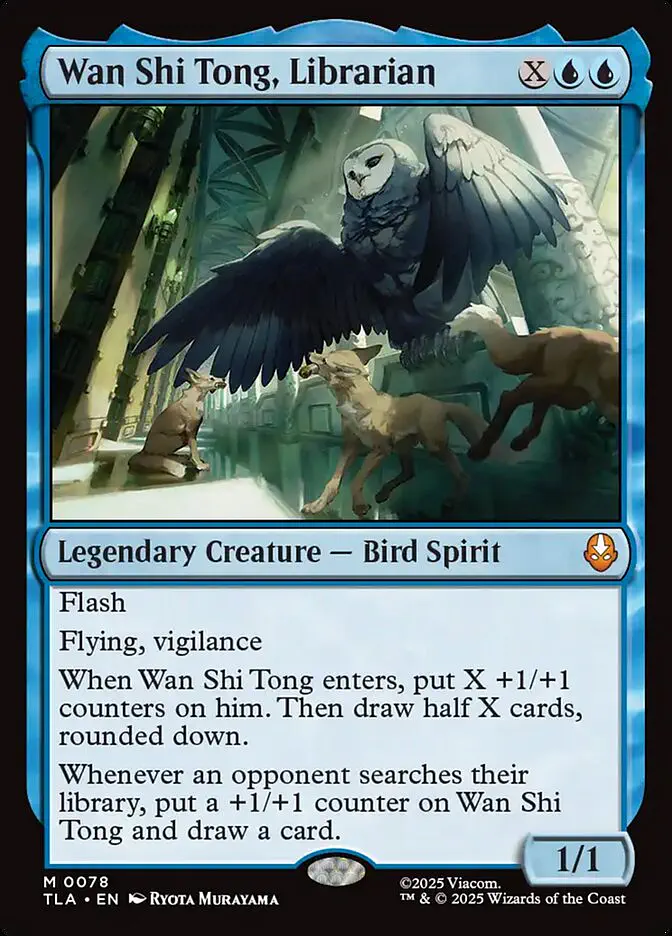
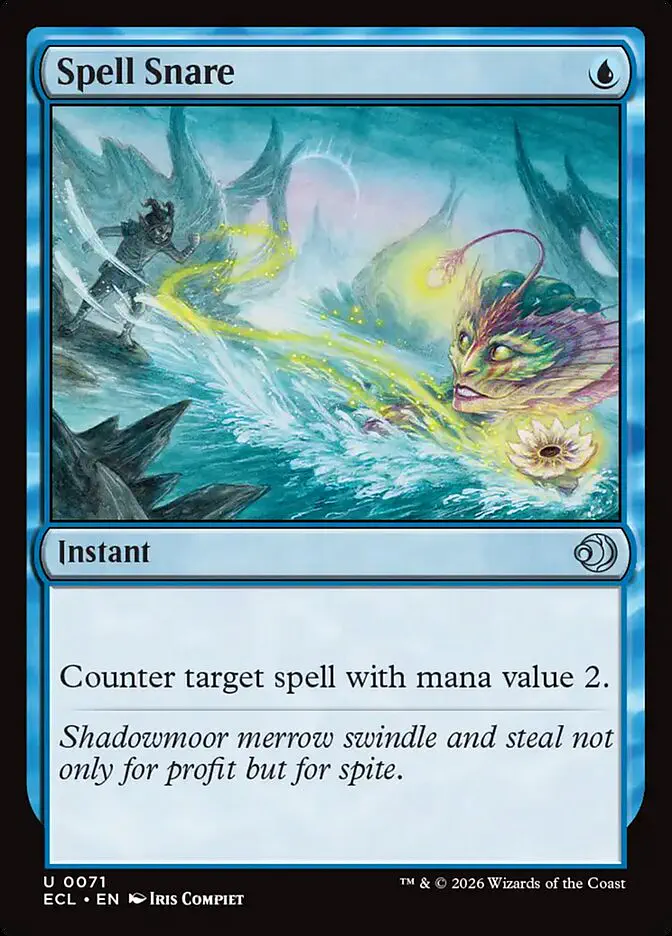
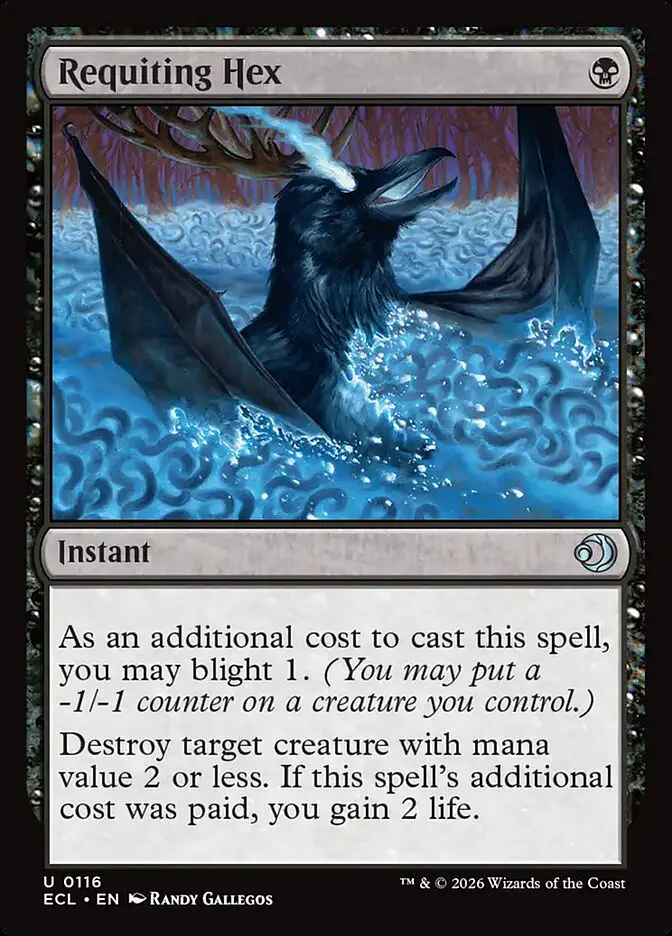
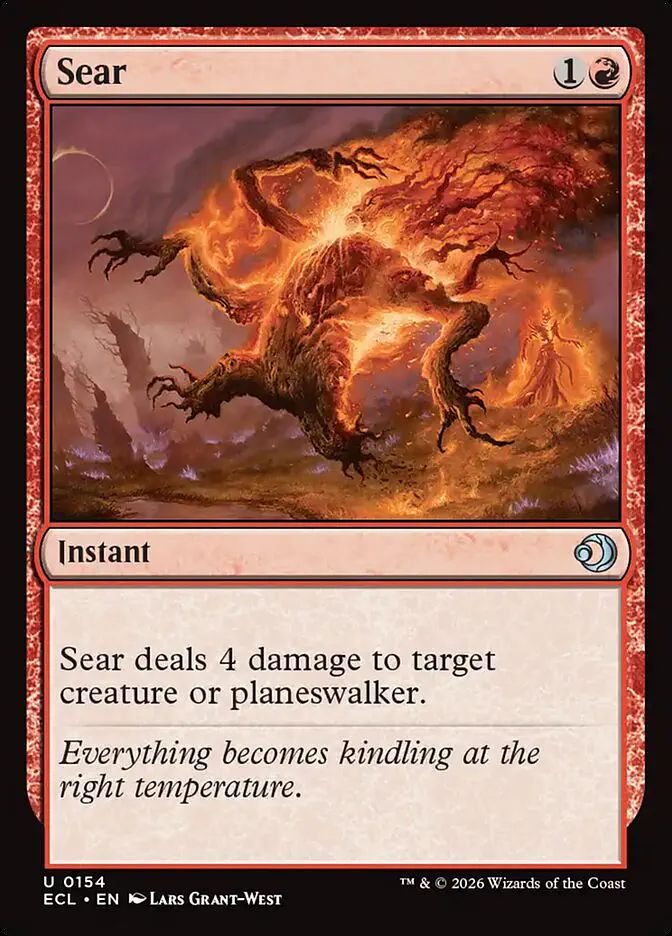
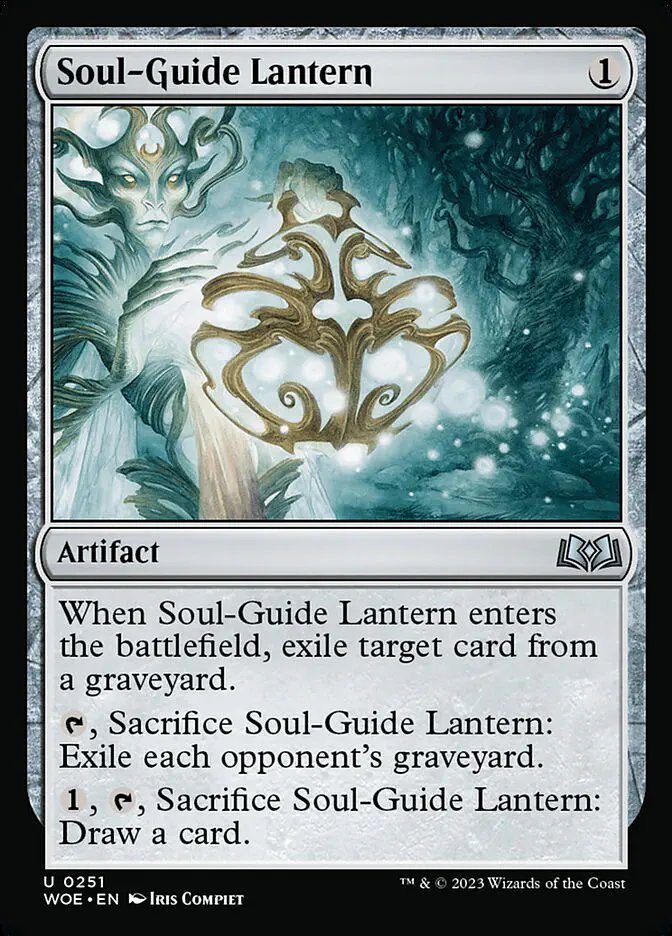
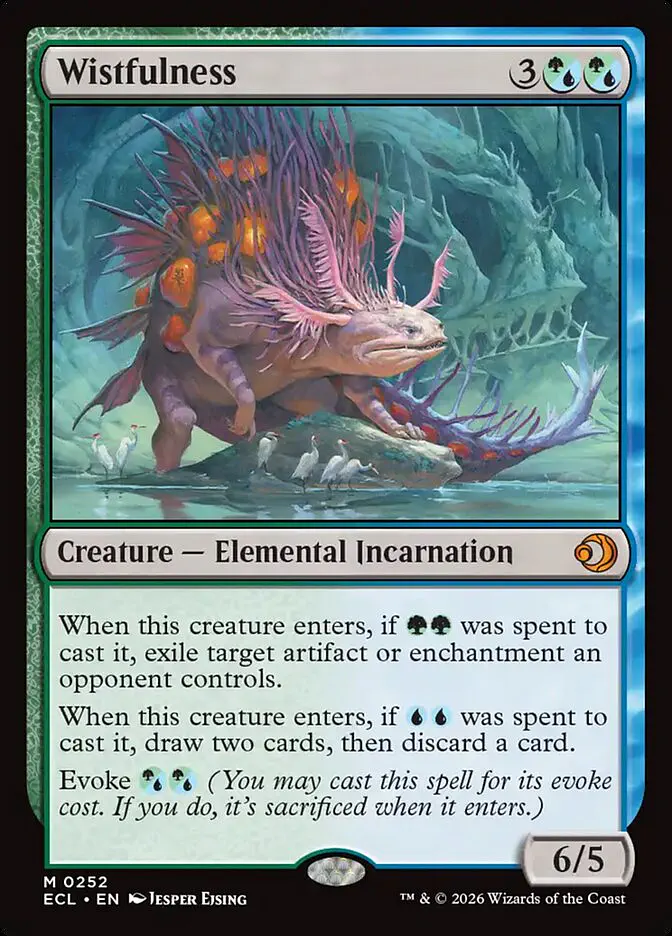
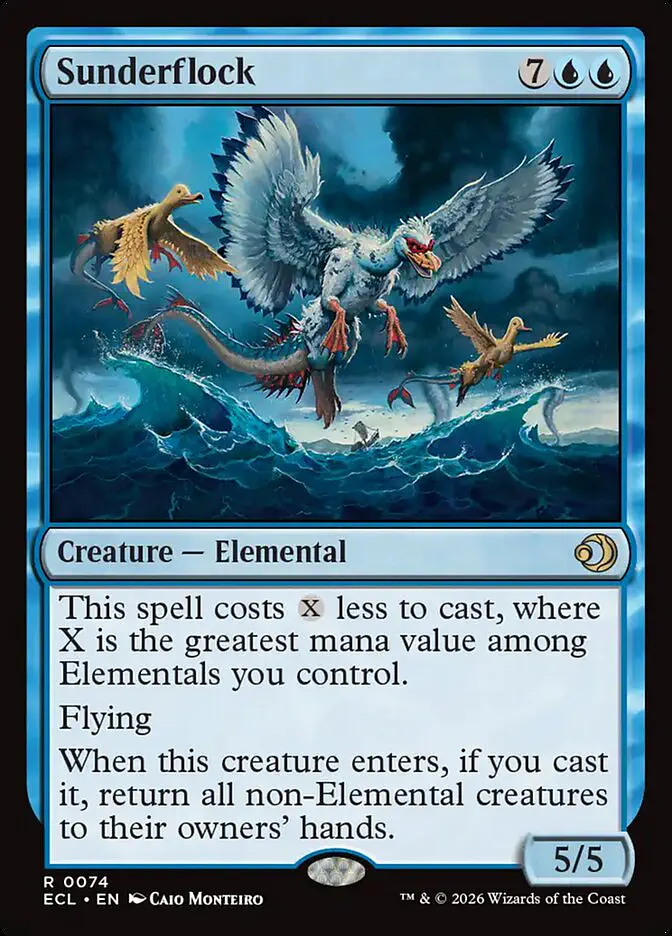
To these, we add Spell Pierce, Burst Lightning, Stock Up, and Annul. Then, the old glories exhumed from Magic Foundation: Soul-Guide Lantern for sideboards and Llanowar Elves for green main decks. Among the relevant creatures are Deceit, Superior Spider-Man, Wistfulness, and Sunderflock. In short, it can be said that a lot of red, blue, and green persist, with black maintaining its strong pieces.
Happy Easter!
Francesco