


In the week between April 13th and 19th, we had the SOS prerelease. Here, we'll provide an overview of cards likely to be tested in Standard due to their effectiveness, dividing them into cheap threats, answers, utility, and everything else.
1) Best 1- and 2-cost threats
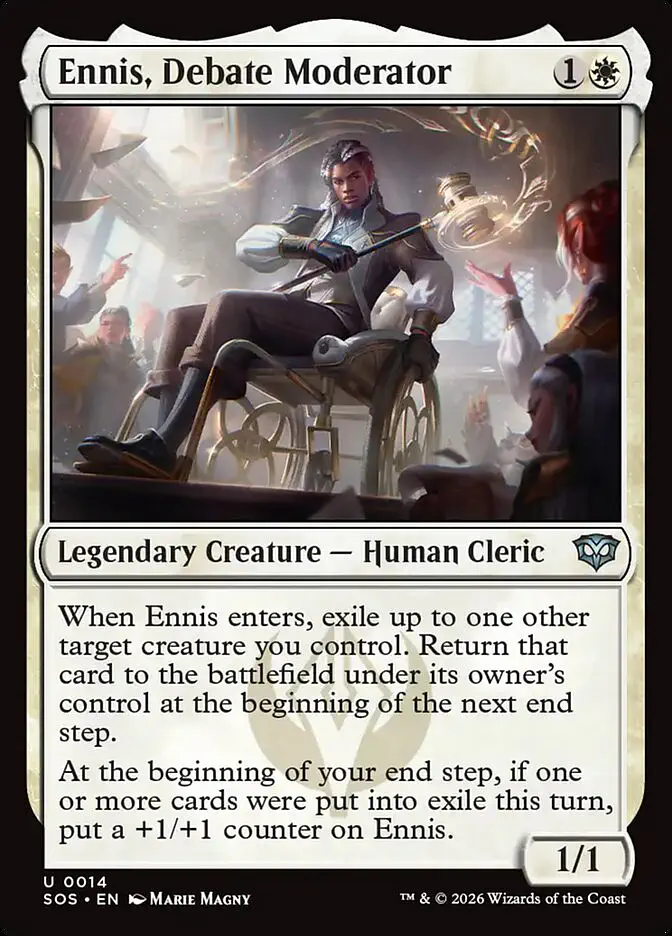
In white, we immediately find Ennis, Debate Moderator, which offers a classic, interesting blink mechanic when combined with other abilities prevalent in the format, such as Warp. It also adds a small self-buff effect that could make it a threat to deal with even after it has already used its primary ability. It's not an incredible piece, especially considering its inherent legendary restriction, but it might find its way into some lists. Shattered Acolyte is a classic good sideboard creature in a W/x aggro deck if the meta requires it. If the meta, even post-rotation, allows for brews like the old 
 Soldiers in The Brothers’ War Standard, we'll see it.
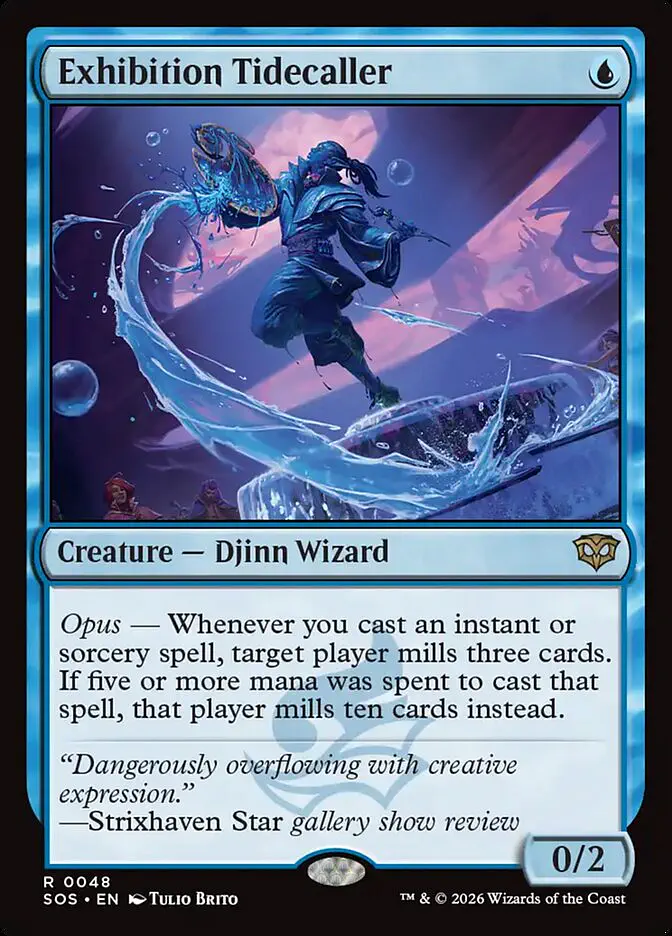
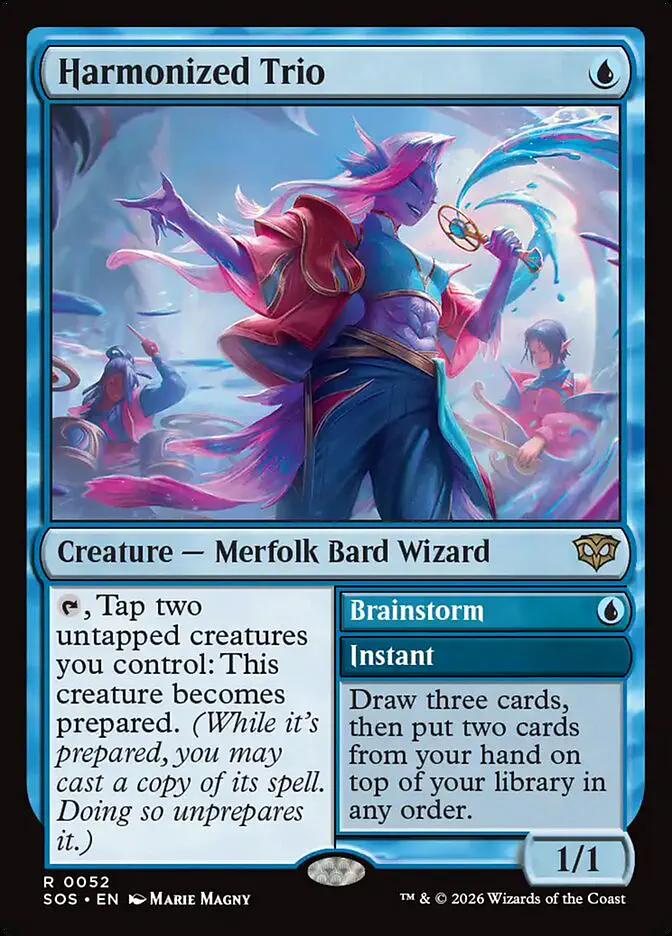
Blue has interesting, but very specific, threats. Exhibition Tidecaller looks like an excellent card for Mill. It's therefore a necessary truism to say that it will be relevant in the format if a mill strategy makes sense. A very similar argument can be made for Harmonized Trio. This is a very fascinating card. The possibility of Brainstorming in the format is something that demands deckbuilding attempts. At the same time, however, it requires tapping three creatures (including itself) to set up. It's a significant cost for a draw and top-deck manipulation effect. Moreover, Brainstorm isn't free; it still costs one mana to cast. The question is: "Will there ever be a deck where the game is worth the candle?"
If I were to reason, I would exploit its tribes. Merfolk and Wizard are creature types that have seen their ranks bolstered in the last year and a half. We haven't seen anything in the meta yet, but post-rotation they will likely be excellent workhorses. Furthermore, many of the most powerful newly printed Merfolk are also Wizards. The setup cost of Harmonized Trio, for example, can be significantly reduced in a deck that also plays Deepway Navigator. Moreover, the Merfolk archetype, which is an Aggro Fish deck, has card advantage as one of its weaknesses. All theoretical possibilities are there. The right time, we await it.
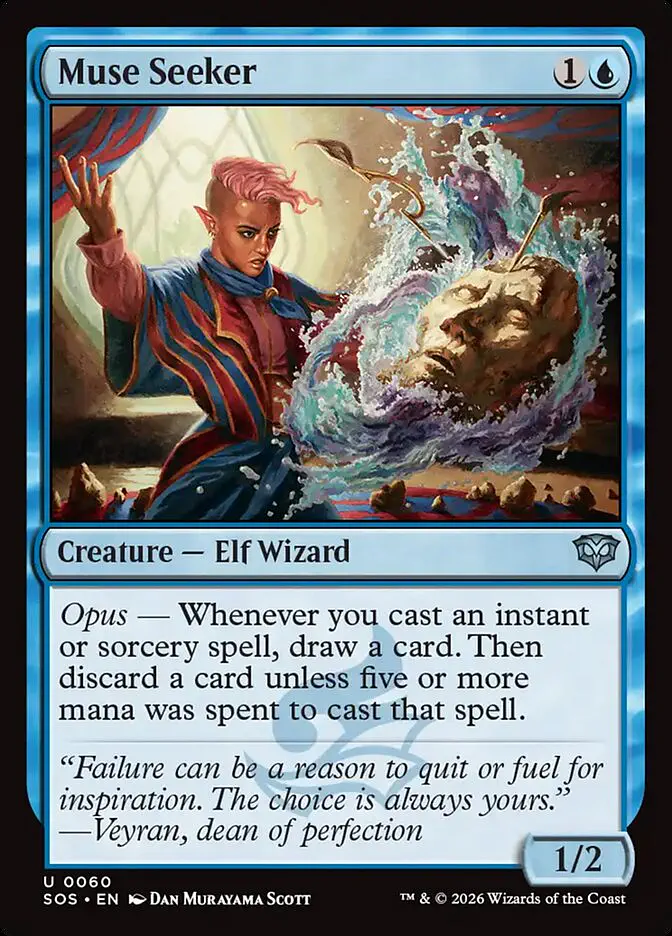
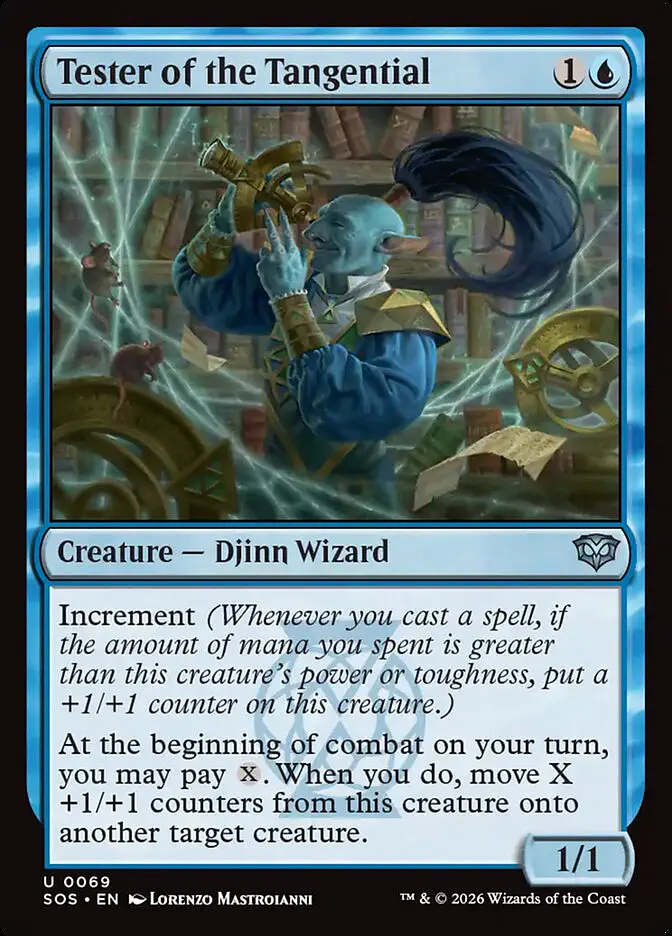
We close with Muse Seeker and Tester of the Tangential. Their effect is very interesting and, over the course of a game, makes them pieces to manage. Their body is very weak, so they might well remain where they are, in the sea of clever but not strong enough cards. But they do make you think, and perhaps they will find a place in some archetypes. Black gives us Lecturing Scornmage, which is an excellent tempo card.
It enters quickly, pumps up fast, and in the meantime, we are free to manage the rest of the board. The limitation that the spells that trigger it must target is restrictive, but in the right 
 or x deck, which doesn't currently exist, this forces the opponent to make choices while we save cards. The exact same argument applies to Melancholic Poet. Postmortem Professor and Scheming Silvertongue are certainly cards with considerable power level. It's hard to imagine them in a competitive deck right now because black, currently, is a support color that closes a combo, like Excruciator, or manages board and hand, e.g., Kaito decks. It's not used much for playing threats, except for Rummaging or Monument, which seems more like an exception that proves the rule.
This, however, could change. For example, tempo or midrange decks could emerge that use black to play threats, blue to manage the stack, drawing, and library manipulation, and red to keep the board under control. In this case, I would probably want to see these two cards among my threats; Postmortem Professor more than the second. Sliding over to red, we find Emeritus of Conflict, which we will try every way to make work because "Hey, Lightning Bolt is Lightning Bolt." However, its setup condition, in my opinion, is quite difficult to achieve and requires specific decks with a significant spellslinger core. An archetype that might even be possible in the format, cards like Thunderdrum Soloist are made for it. The best and most versatile threat, however, is Molten-Core Maestro.
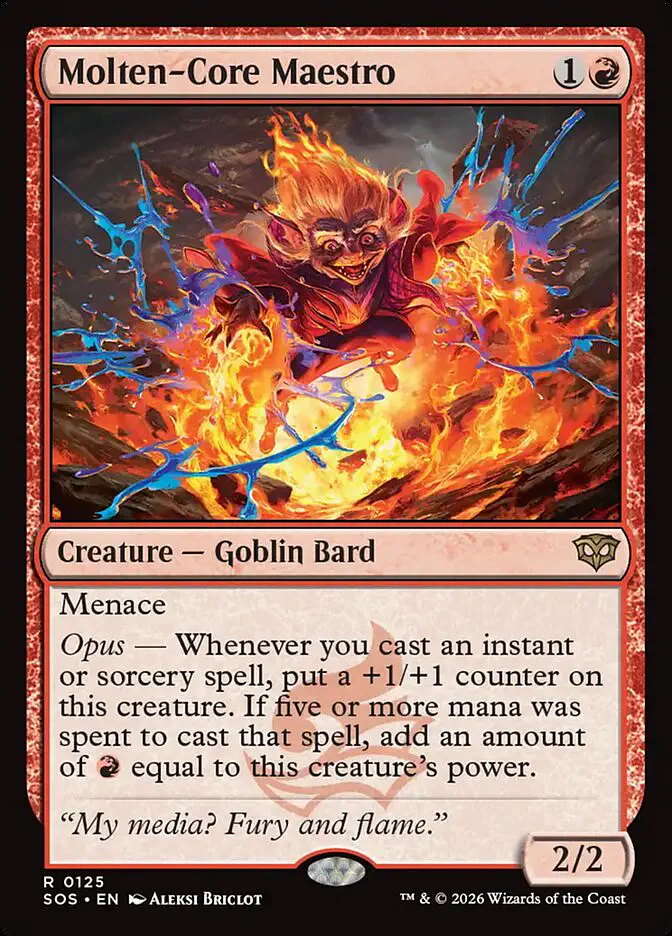
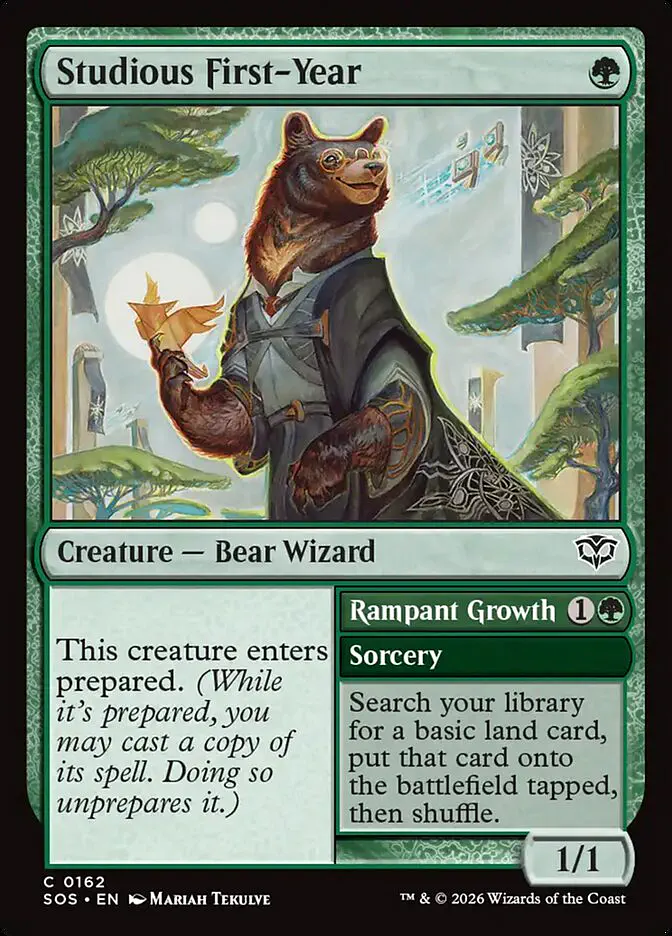
An evasive 2-drop that becomes a giant very quickly and can also give you mana with Opus. This will definitely see play; I would put it in RDW immediately and see no particular problems inserting it into Prowess either. Green only gives us Studious First-Year, which is a decent extra piece for ramp and landfall strategies. Slow, though, but it can make a difference under certain conditions.
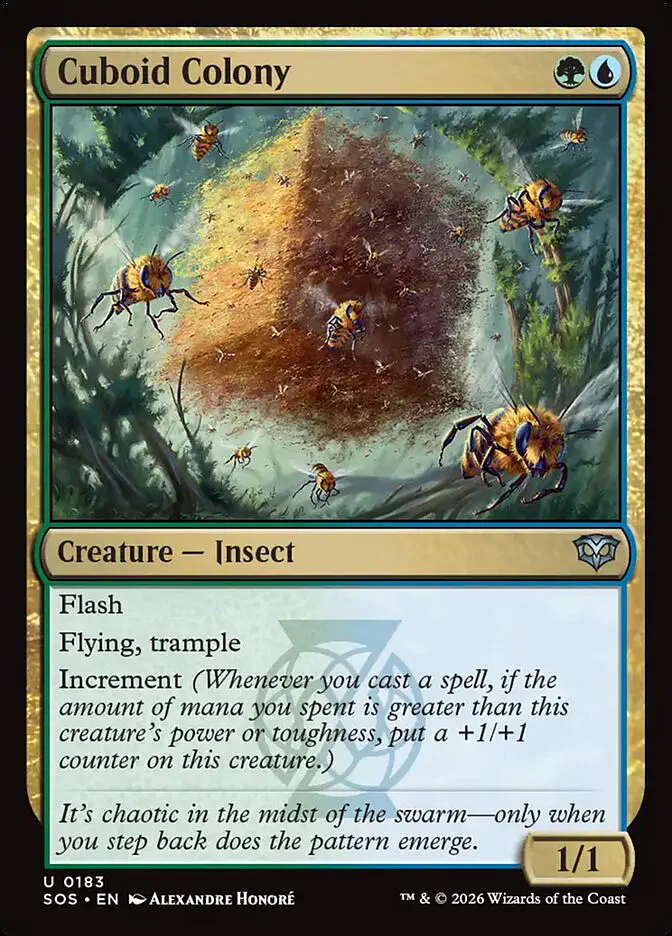
On the multicolor front, we find Cuboid Colony, which combines two evasive abilities with the possibility of being played as an instant on the opponent's turn. The new increment ability, moreover, will quickly make it a problem to solve. Every spell cast to protect it on game turns can contribute to making it even stronger, and this will put the opponent under a lot of pressure. I find it an appropriate card for control strategies. Scoulding Administrator is an excellent evasive creature that pumps with every removal spell (which is appropriate given its colors). The fact that it then incorporates a mechanism to save its +1/+1 counters is what makes it testable in the format.
2) Best 1- and 2-cost answers and utility
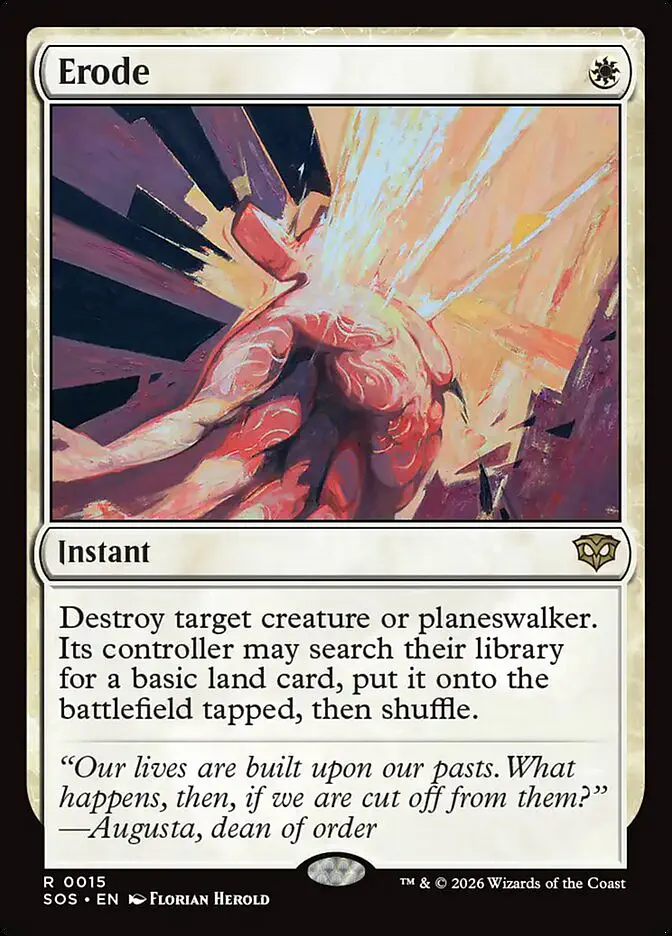
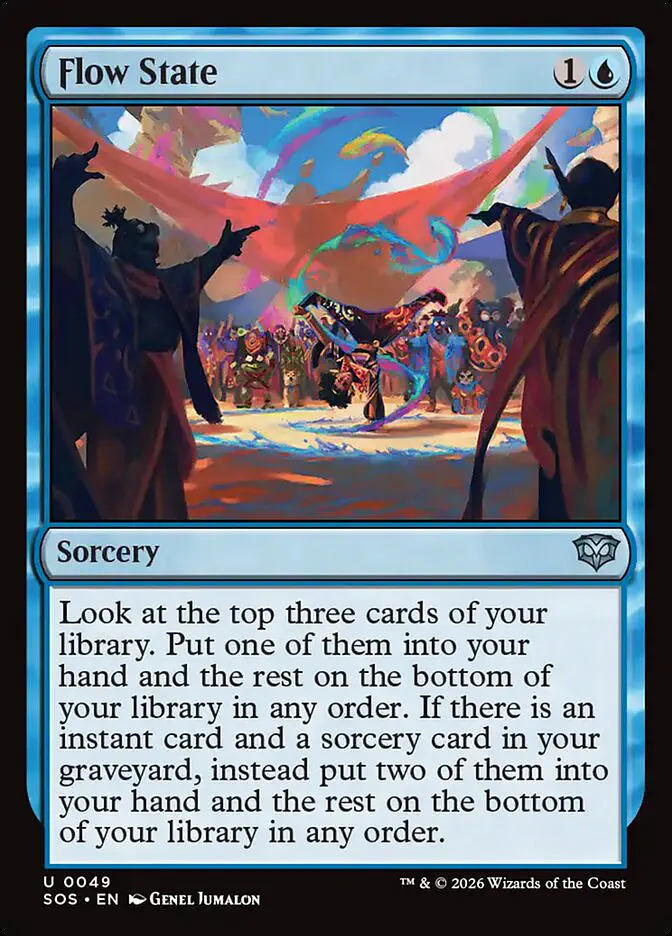
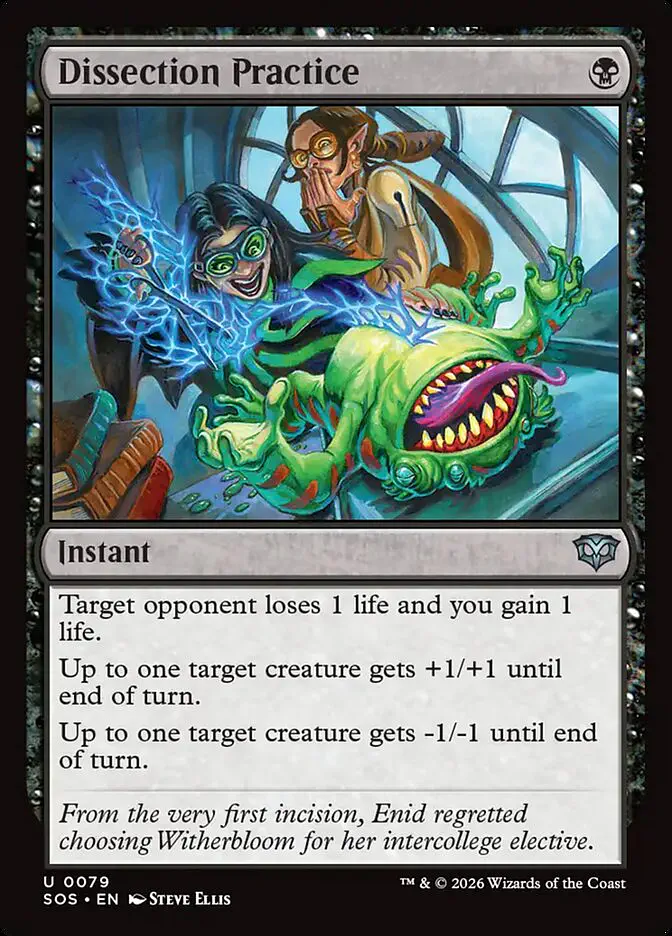
White opens with Erode, a new removal that recalls the effect of PTE. It doesn't exile, but it can also target Planeswalkers at the agile cost of just one mana. Moving to Blue, Flow State is truly a nice spell. It lets us look at three cards and often puts two into our hand. Too bad it's a sorcery, but it can be seen as a weaker, but also less expensive, Stock Up. I wouldn't be surprised if from now on control decks mix these two cards to better respond to various game turns. In black, I really like Dissection Practice, which is an extremely versatile combat trick, and End of the Hunt, with a negative upside due to its sorcery nature. A truly significant instant, however, is Rabit Attack, which has multiple advantages and can be used in response to a non-exiling board wipe to refuel your hand and restart.
I'm sure we'll see this one in at least a few sideboards. Red shows us a nice reprint, Flashback, which allows us to use something very similar to Snapcaster Mage in the format. Additionally, Choreographed Sparks seems like a classic card that supports bizarre combos without particular restrictions. I'm unable to place it in a deck currently, also because it received a day-zero errata that depowers its last mode (from next end step to end step). However, I wouldn't be surprised if the competent minds of pro players work around it.
In multicolor, Lorehold Charm has two generally interesting abilities and a meta call. Reanimating a creature or artifact with mana value 2 or less is very relevant in colors. Creatures we would have in decks using those colors will predominantly have a low mana value, and the fact that it can also target artifacts makes post-sideboard cards more effective. If, for example, we included Soul-Guide Lantern for the matchup, this will provide double hate. The third ability of Lorehold Charm seems like an excellent finisher for aggressive decks, while the first depends on the meta; in this meta, for example, it makes Monuments outdated.
I really like Quadrix Charm from a control perspective for its versatility. First and foremost, it has the nature of a counter. It would have been better if it required a tax of 3 as a soft-counter effect, but we'll make do. Besides that, it does things that either respond to specific situations usually difficult to deal with in the main deck, or shorten the deck's Fundamental Turn. Very nice. Not a 4-of, but excellent utility. Finally, Vibrant Outburst and Traumatic Critique are good cards. Some number in the right bases should be expected. Traumatic Critique being uncounterable thanks to the effect of Mistrise Village also gives control decks an alternative finisher that shouldn't be underestimated.
3) Best lands
The Slowlands return, first introduced in Innistrad: Midnight Hunt and completed in Innistrad: Crimson Vow, but only for enemy colors. They offer two colors and enter untapped if you control two or more other lands. Standard currently has many lands capable of fixing mana effectively, including shocklands. But the more, the merrier, so welcome them and include them in decks in some numbers.
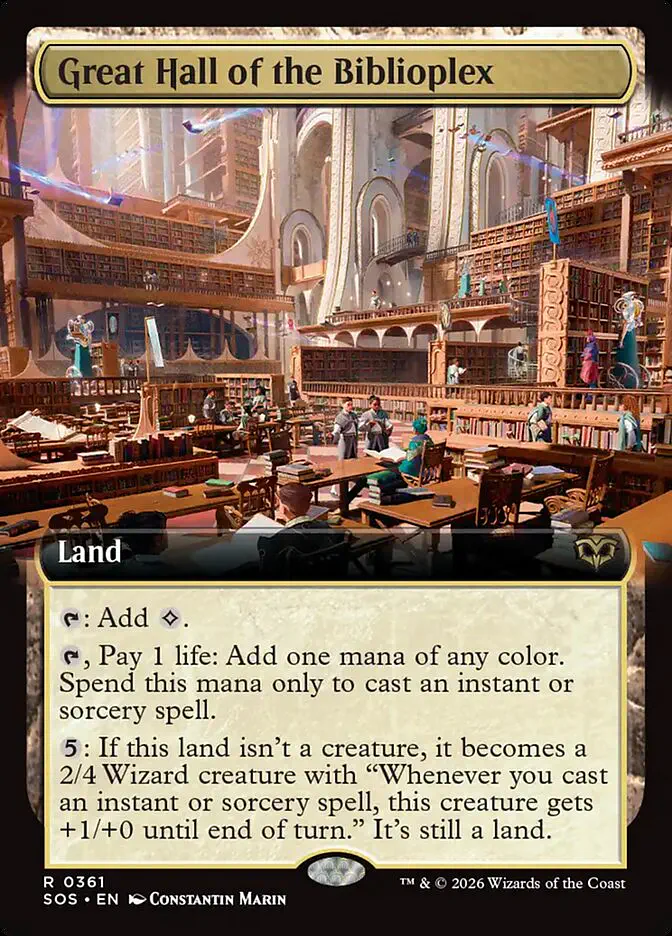
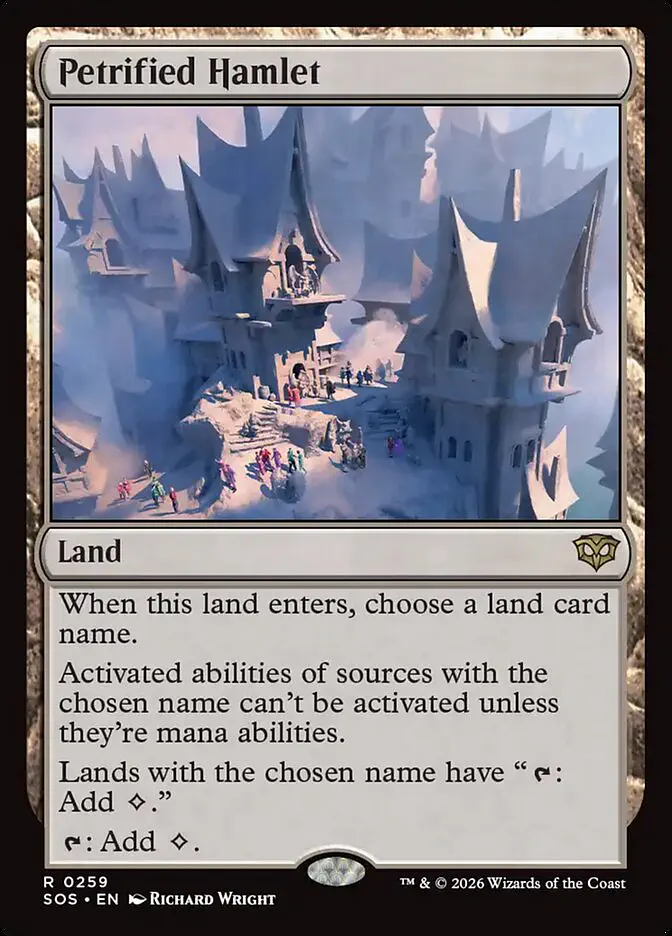
Besides these, Great Hall of the Biblioplex doesn't seem stupid to me, although it clearly requires specific decks, but it has an interesting body and can deal a lot of damage in a late game, in addition to correcting possible color screw issues. Petrified Hamlet is an excellent land, but I don't think it will shine in Standard. That type of land is stronger the more relevant non-mana activated abilities lands have in a format. This happens especially in formats with much larger card pools than Standard, like Modern or Legacy.
4) Other strong cards
The rest of the landscape offers us other very peculiar cards that we will see in the most experimental brews in the coming days. All cards with Paradigm, in my opinion, will be tested. I consider the Paradigm ability dangerously strong, too strong to be ignored. I understand that difficult deckbuilding choices between similar effects (for example, is Ouroboroid or Germination Practicum better?) persist in the format, but this will not hinder experimentation, and it's not certain that both choices will not be used in different places or together.
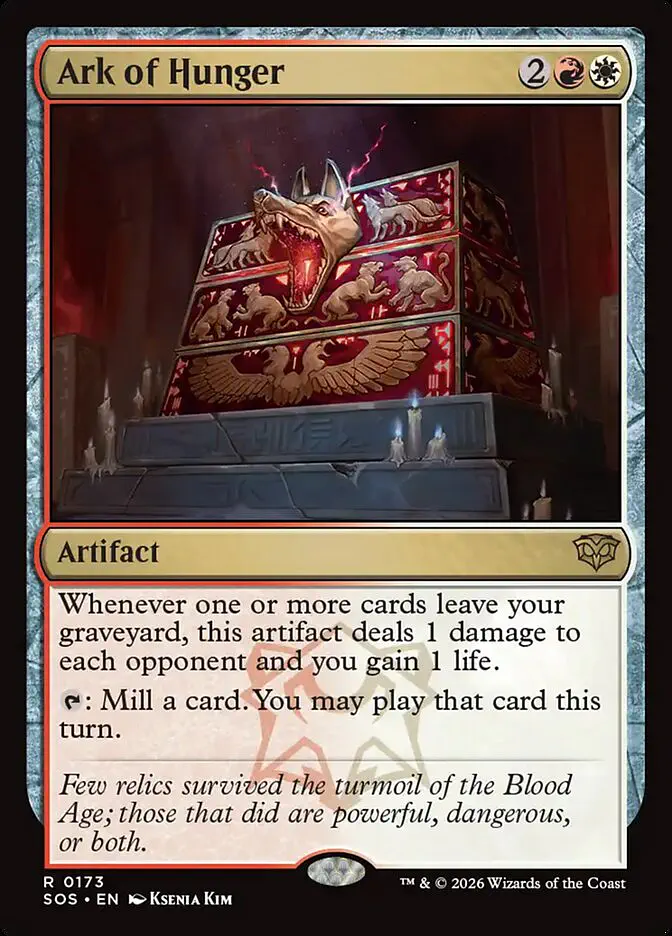
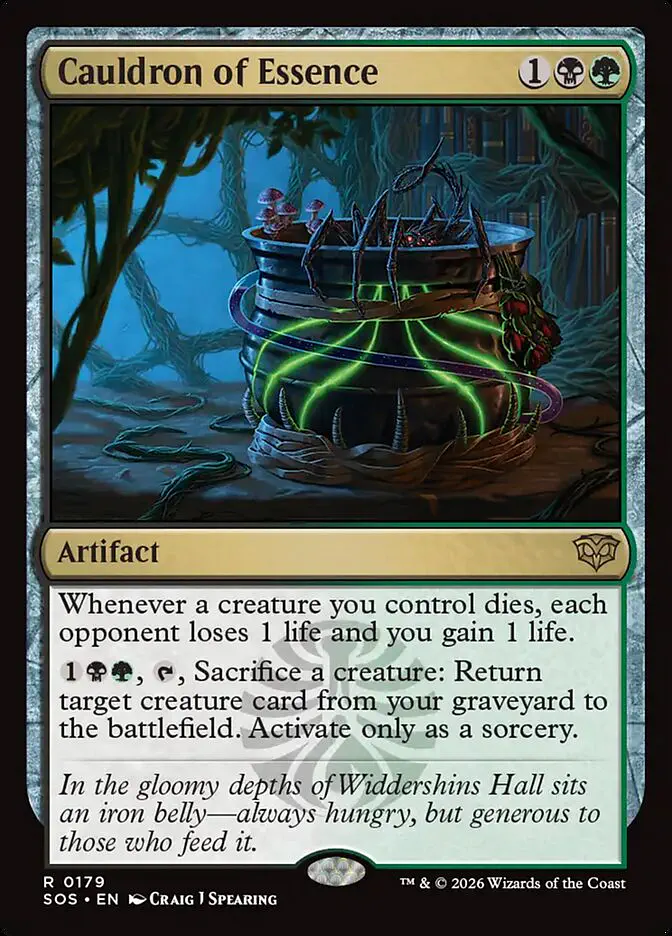
Ark of Hunger is a very interesting artifact, albeit a bit pricey. Card advantage, damage, and life gain make me think it could be exploited in some long-game decks. After all, it itself extends the game. Cauldron of Essence is the kind of card I think has a relevant effect, but I would always want it to do the same things for one less mana to be strong. I see it as synergistic in those colors. BloodGhast is a classic "eat forever" piece that makes its second effect attractive.
But who knows if this will be enough for a three-mana artifact. I don't feel like excluding it from the list, but I think the cards needed to build the type of deck that would want to play this card are missing. A "cat oven" type of strategy, however, would use it.
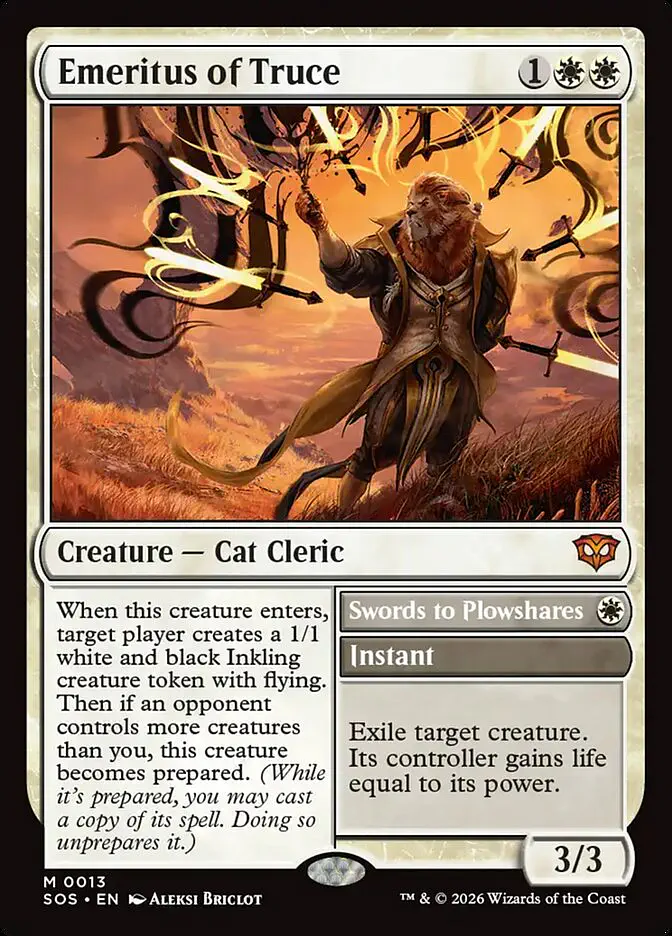
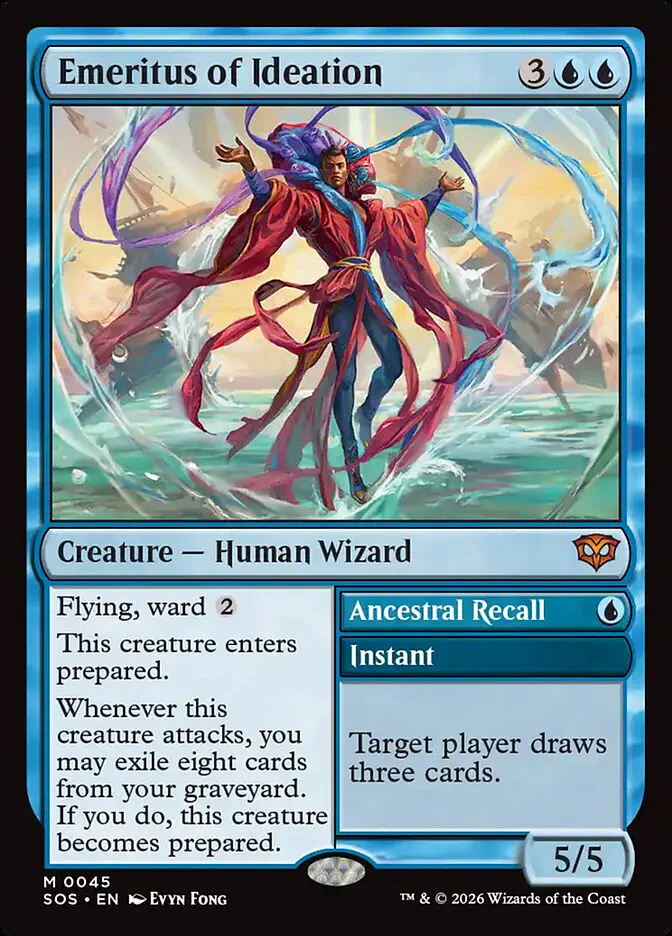
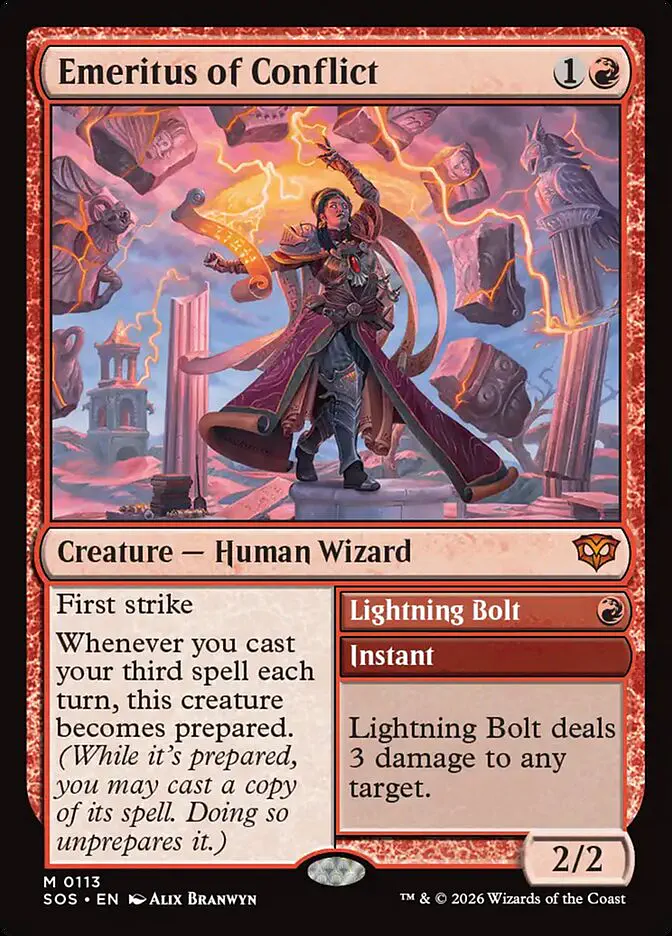
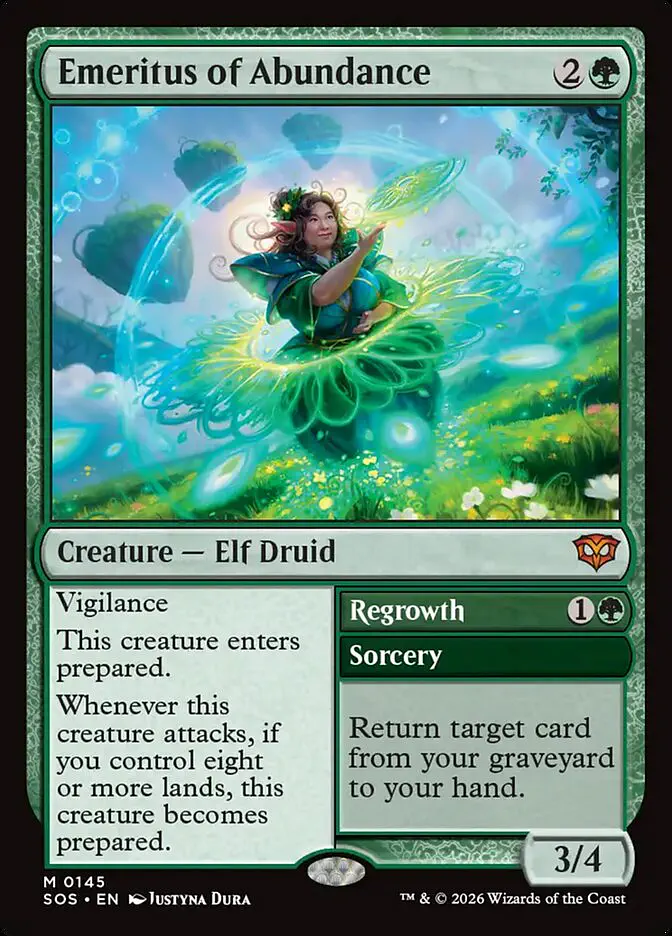
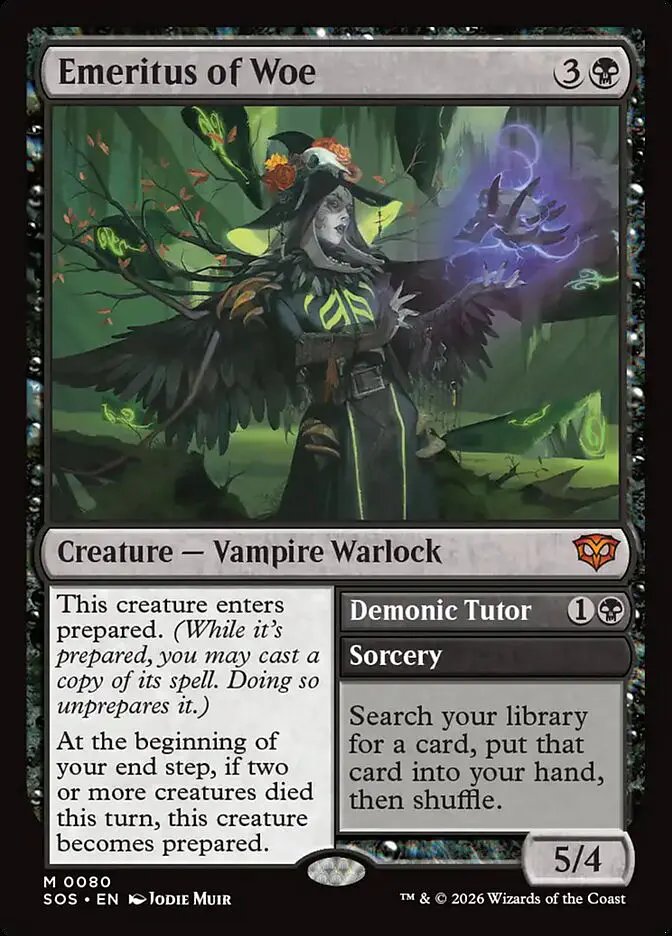
The Emeritus cards will probably be given a chance. We've already discussed the red one above. As for the others, we can say that the blue one, Emeritus of Ideation, is clearly the most over-the-top. Behind him, the white Emeritus of Truce has a certain value, even if the fact that it doesn't untap itself is a big drawback. The green one will certainly be used and is also an Elf, another tribe that has enjoyed several additions.
Regarding Emeritus of Woe, I'm not sure how relevant its tutor effect is in today's Standard, especially considering that it takes six mana to do it immediately. In itself, we'd mainly want to see it in combo or control to put the finisher in hand. But in the first case, you're slow if you have to search for a combo piece on turn six; in the second case, you've decided to go tapped out on a turn when the opponent can disrupt the game. I don't think it will see continuous play, but who knows.
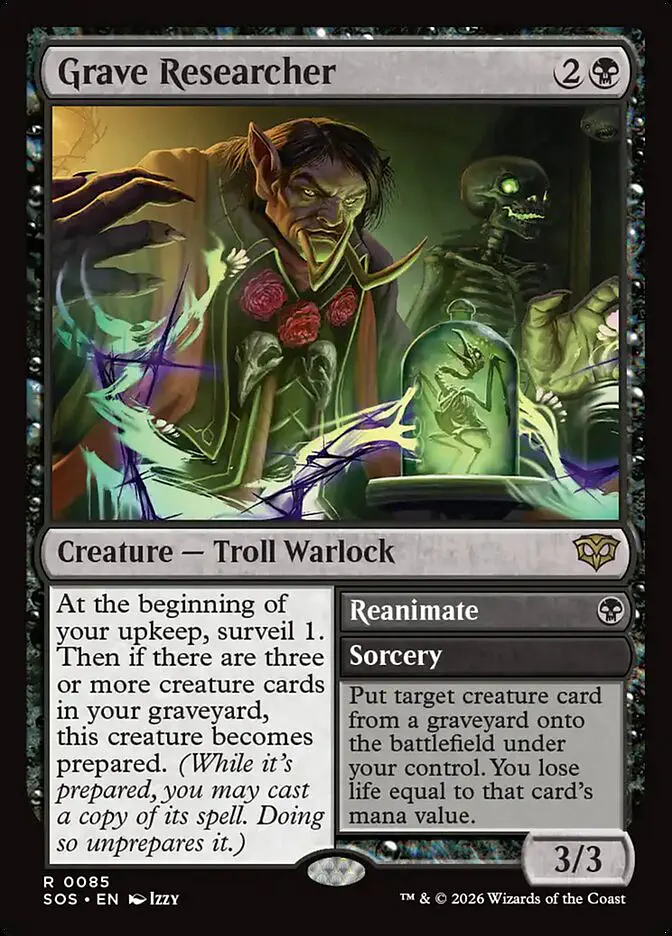
Two cards that I do think will be played in the right shells are Fix What’s Broken and Grave Researcher. The first fills the board post-solution at a ridiculously low cost compared to its effect. The second brings the good old Reanimate effect, just banned in Legacy, into Standard. For those unfamiliar with the card, Reanimate has the big advantage of being able to target the opponent's graveyard as well. Against a deck that heavily uses self-mill mechanics to reanimate something from the graveyard, this card can open up interesting avenues.
Next, we have another Boros Dragon. Lorehold, the Historian allows us to envision decks that utilize Miracle. Not bad at all, even if it's expensive. This also seems like a card for control-based strategies. The fact that it doesn't protect itself, however, doesn't make it exceptional. Watch out for Mana Sculpt because here, if a Wizards-Merfolk deck emerges, this counter will fit right in, and Mindi into Matter will also be a 1-of card that we'll see sooner or later. Resonating Lute is a wild enough card to enter the format. It gives us two mana for instants and sorceries and lets us draw cards if we are conservative. It's not bad despite the four-cost.
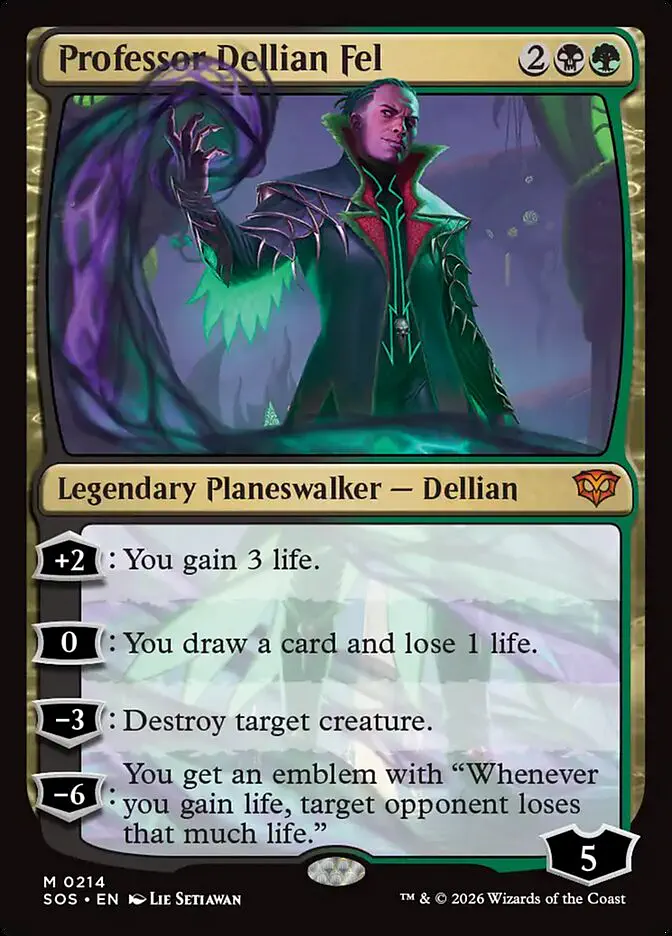
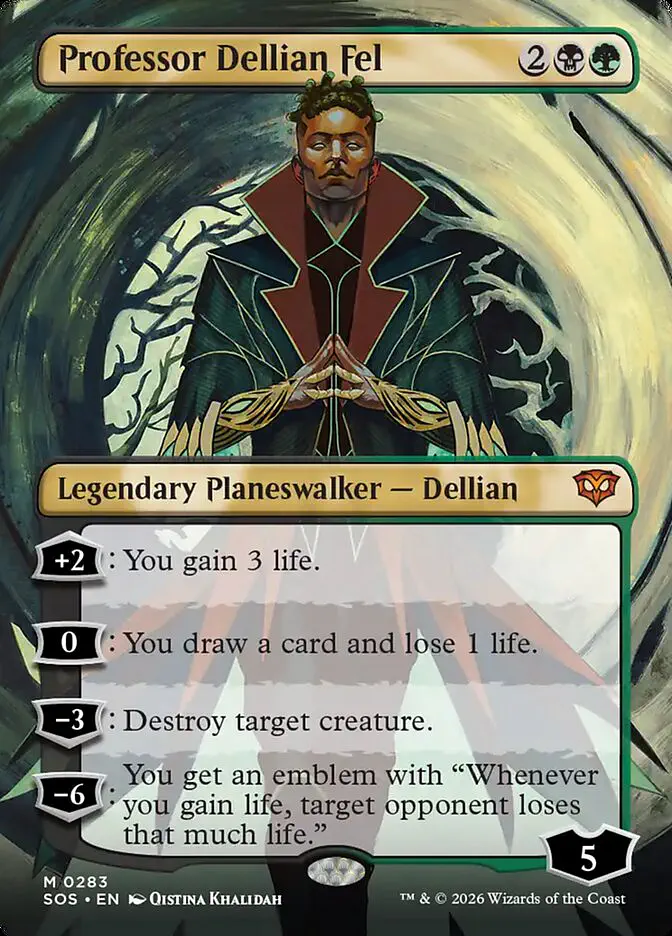
On the Planeswalker front, we have the much-talked-about Professor Dellian Fel, who seems to do all the things we want and enters with an incredibly high loyalty. As soon as he's cast, he already has 5 loyalty and a mere initial +2 is enough to guarantee an emblem on the following turn. He will clearly be included in multiple lists. In closing, very clever cards are Skycoach Conductor, The Dawning Archaic, Tragedy Feaster, Wildgrowth Archaic, Withering Curce and Witherbloom, The Balancer. The latter, in particular, seems truly off the charts. The format is currently capable of casting it at an impressive speed in any Cub or Rhythm deck.
"See You Space Cowboy"
Francesco