



<< Previous Chapter: Offense and Defense in MTG
6. Efficiency in MTG
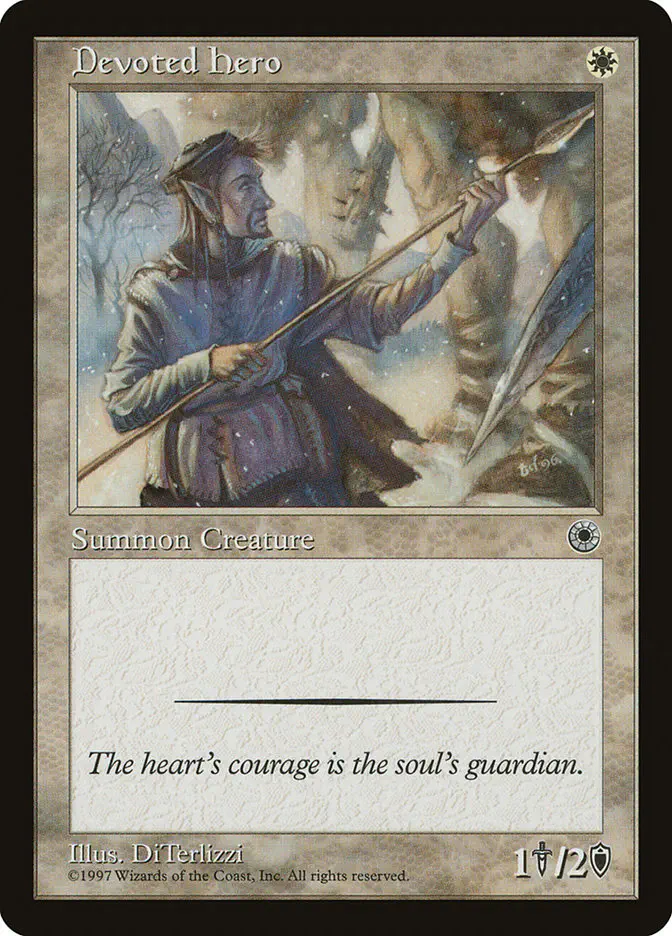
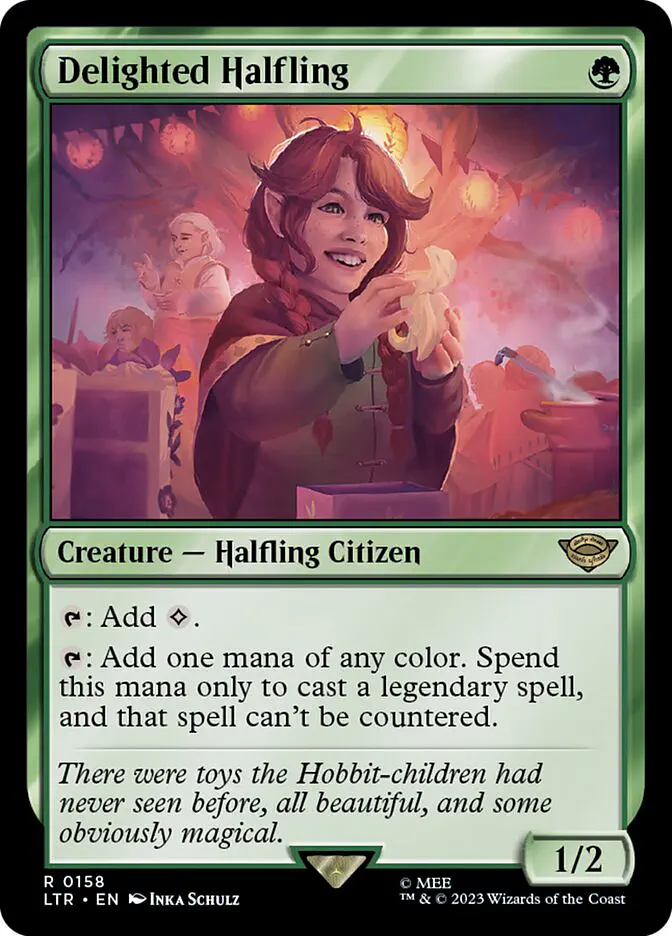
Efficiency: The author describes three dimensions of efficiency in the game. Card efficiency is a concept that explains a card's effect and utility, given an equal casting cost. For example, a Devoted Hero is a worse creature than a Delighted Halfling. Both are 1/2 and cost one mana, but the latter has more going for it than the former. Not only that, Devoted Hero is also worse than any vanilla creature with the same mana cost but better stats, such as a 2/2. All very simple.
Deck efficiency, on the other hand, is a deck's ability to utilize every card it draws as soon as it's drawn. From this perspective, a current Mono-Green landfall deck in Standard is much more efficient than a 4c Control deck, because it can generally play every card it draws right away. Conversely, a 4c Control deck often cannot cast cards like Jeskai Revelation or Emeritus of Ideation the moment they are drawn. The fact that very often a deck like 4c Control doesn't want to use those types of cards the moment it draws them, but prefers to save them for a later stage of the game, is a situational aspect of the game and irrelevant here.
Finally, there is strategic efficiency, which is the ability to achieve the objectives of one's game plan in relation to the time and resources required to reach them. This means that a strategy is more efficient the faster it achieves its desired outcome and with fewer resources.
Side Note: I believe this concept doesn't need any updating, as it's as relevant now as it was then. However, I find it useful to describe it from another perspective, to provide an additional interpretation and allow players to more easily unify the three aspects of efficiency. If you think about it, efficiency in Magic is always a matter of quantity. The measure of efficiency is always quantity.
Doing more with as little as possible. This is intuitive for card efficiency. A card that does more things for the same mana cost as another is better. It is also intuitive for strategic efficiency.
A deck that achieves its goals faster and with less mana than another is more efficient. It is less intuitive for deck efficiency. However, the ability to play drawn cards as soon as they are drawn means having built a deck with a mana curve suitable to be supported by the mana base. An optimized mana base, in turn, is one capable of consistently developing, during the game, the necessary amount of mana to play the cards in one's deck.
Yes, it's true, mana quality is also important. The generated mana needs to be of the correct type. However, when we talk about mana quality in reference to the type of mana, we are making a logical error. If we build a three-color deck and want it to consistently generate one green mana source on turn one, two black sources on turn two, and at least one blue source by turn three, we are still talking about the quantity of mana generated by different types of lands.
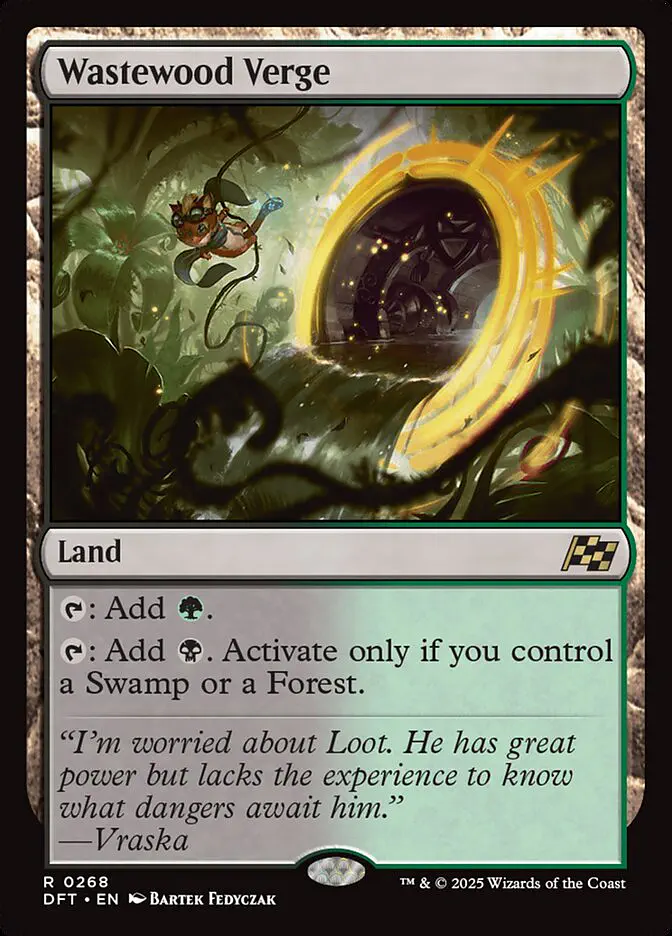
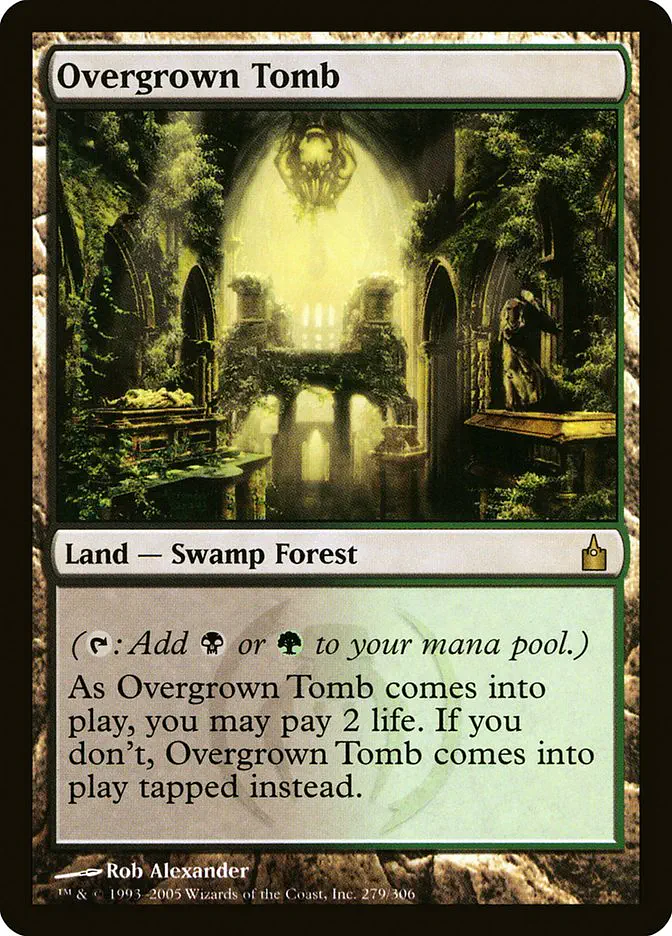
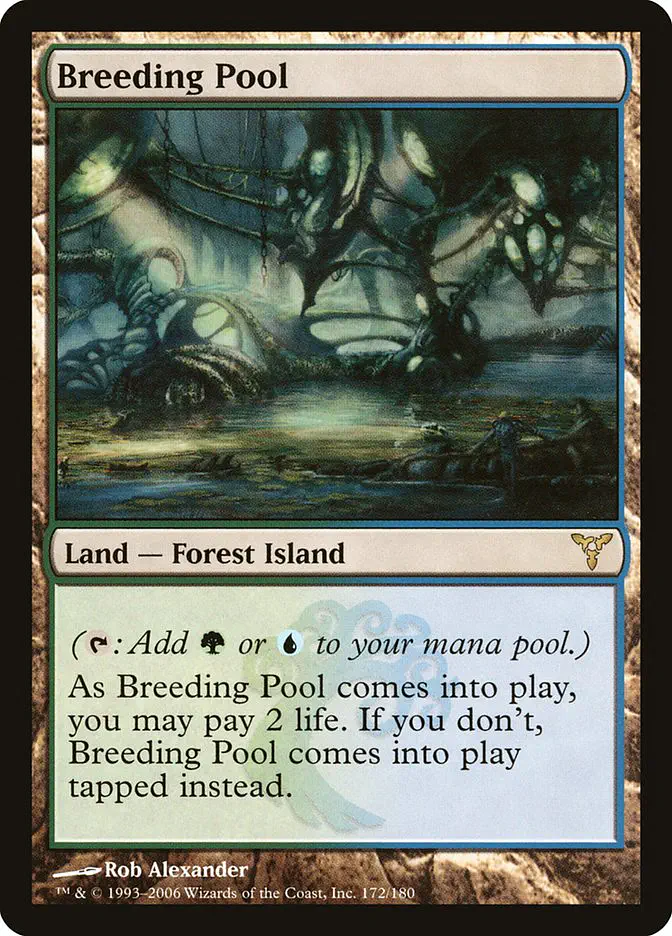
Yes, we will include cards like Wastewood Verge, Overgrown Tomb, and Breeding Pool, but we would include them based on their ability to give us a certain quantity of specific mana at a certain time. To be clear, it's a good trick to talk about mana quality in this sense. It helps distinguish mana screw from color screw, for example. But it's a logical stretch.
In truth, we are always talking about quantity. If we were to truly talk about mana quality, we would have to consider other aspects, for example, whether the land generating the mana should enter tapped or not. So, using this interpretation, deck efficiency is solely a matter of quantity. Efficient decks manage to develop enough mana to play their resources as soon as they are drawn.
This happens, as mentioned, by taking care of your mana base and mana curve, but also by including cards whose main task is to generate mana (like Ancient Cornucopia). Efficiency in Magic: The Gathering is a measure of quantity and consists of achieving the maximum result with the maximum mana savings.
Next Chapter: Flexibility in MTG >>
<< Previous Chapter: Offense and Defense in MTG