



There are times when a discussion about Magic stops being just about the cards and starts being about how decisions are made. For me, the The Zeta Set saga is one of those times: it didn't just make me wonder what I could put in my deck, but how much I could actually rely on communications regarding the format.
The question we started with seemed elementary: does a common reprint make a card legal in Pauper? The Zeta case brought two competing needs head-to-head: maintaining an understandable entry criterion versus protecting the format from potentially problematic additions. Before explaining why this whole affair disappointed me, though, let me separate what was officially announced from my personal thoughts.
August 24: The first response on the new commons
The first previews of the Zeta Set were accompanied by a clarification from Gavin Verhey, published on August 24: the common reprints in the product, including Baleful Strix, would not change Pauper legality. This wasn't some conclusion made up by players, but a publicly communicated stance.
In the subsequent explanation from the Panel, the exclusion was justified by the cards' impact, the lack of game design criteria in assigning Zeta rarities, and the risk of unpredictable additions leaking in through future Secret Lairs.
How much should a rarity decision made for a collector product impact Pauper? It's a understandable concern, even for those who don't agree with the solution, just as the opposing objection is understandable: can we really change what that rarity means depending on the packaging the card comes in?
The problem isn't just Baleful Strix
The public rule of Pauper refers to cards released at common in paper or on Magic Online, with the exceptions set by the banlist. For allowed cards, you can also use editions printed at other rarities.
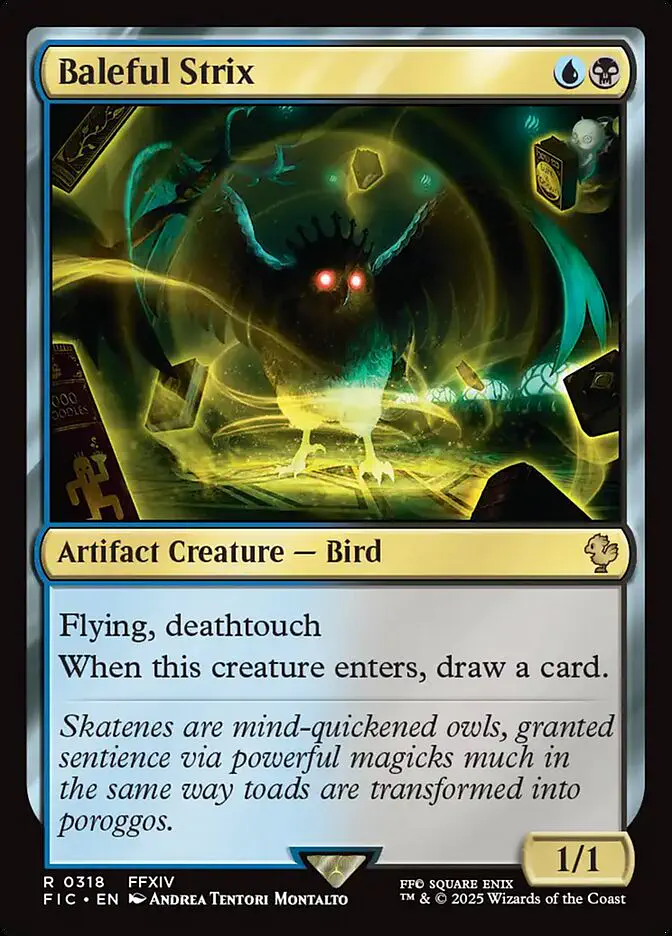
Baleful Strix
Artifact Creature — Bird


Flying, deathtouch
When this creature enters, draw a card.
This is the core of the argument: recognizing the Zeta Set downshifts doesn't require you to think every card is balanced; you just have to believe that rarity determines format access and that exclusions should be handled via bans. Excluding the product, on the other hand, prioritizes the need to avoid a precedent deemed dangerous. Establishing which printings count for Pauper and deciding which cards can stay there without ruining the game are two different issues, and confusing them risks turning every discussion about Baleful Strix into a referendum on the entire format.
A useful practical clarification, also in the official rules of the format: you won't need to buy the Zeta version to use a card made legal thanks to the downshift. Older editions remain legal, and the availability of the collector variant remains a separate issue from the availability of other printings.
August 27: Lega Pauper Italia calls for a review
On August 27, Lega Pauper Italia (LPI)—organizers of Paupergeddon, one of the biggest Pauper events in the world—stepped in. LPI published a statement that went beyond expressing a preference: they openly criticized the initial decision to exclude the set and asked Wizards and the Pauper Format Panel to reconsider, arguing that the existing banlist system was enough to handle any problematic cards and that the choice risked needlessly locking out future Secret Lair products as well.
While waiting for a clarification, the League's events maintained the previous card pool: the request for a review sent to Wizards and the cautious management of their own tournaments remained two distinct levels, and it wouldn't be fair to read that operational caution as agreement with a permanent exclusion.
For a player, the debate can boil down to a decklist to tweak or a prep plan to revise. For an organizer, it means communicating clear, uniform rules for everyone—which is why a definitive answer matters, rather than some secondary detail in the controversy. And the fact that LPI, with the weight of Paupergeddon behind them, publicly put themselves on the front line helps explain why the PFP ended up revising their stance just a week later.
September 1-2: Reveal and sales launch
On September 1, Wizards published the full reveal of the product; sales in the Chaos Vault opened on September 2. The Zeta Set features 121 reprints with an aesthetic inspired by early playtest cards. The US price tag of $19.92 is a nod to 1992, the year of those playtests, not the commercial release of Magic.
Each pack contains seven random cards—three commons, two uncommons, one card of any rarity, and one rare or mythic—so you aren't buying the usual predetermined assortment of a Secret Lair drop.
On September 1, Matthew Hodgins clarified that other similar randomized pack products are not currently on the Secret Lair roadmap: a clarification on announced plans, not a promise set in stone forever.
This commercial aspect deserves its own discussion, separate from the Pauper one: you can dislike the randomness of the packs and still think it's right to recognize the downshifts, or appreciate the graphic experiment without wanting its side effects in the format.
September 4: Ten entries, two preemptive bans
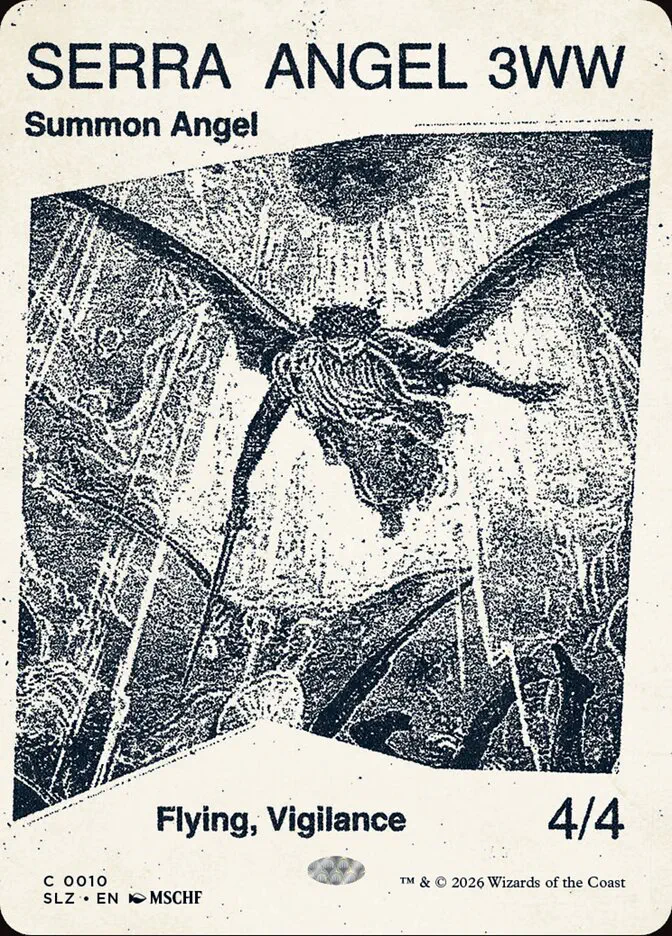
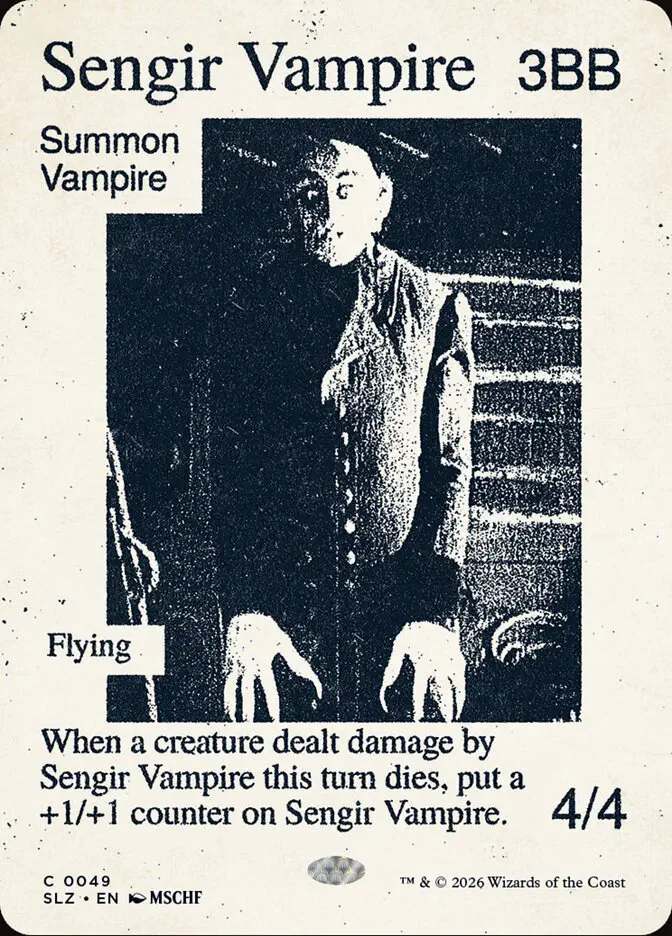
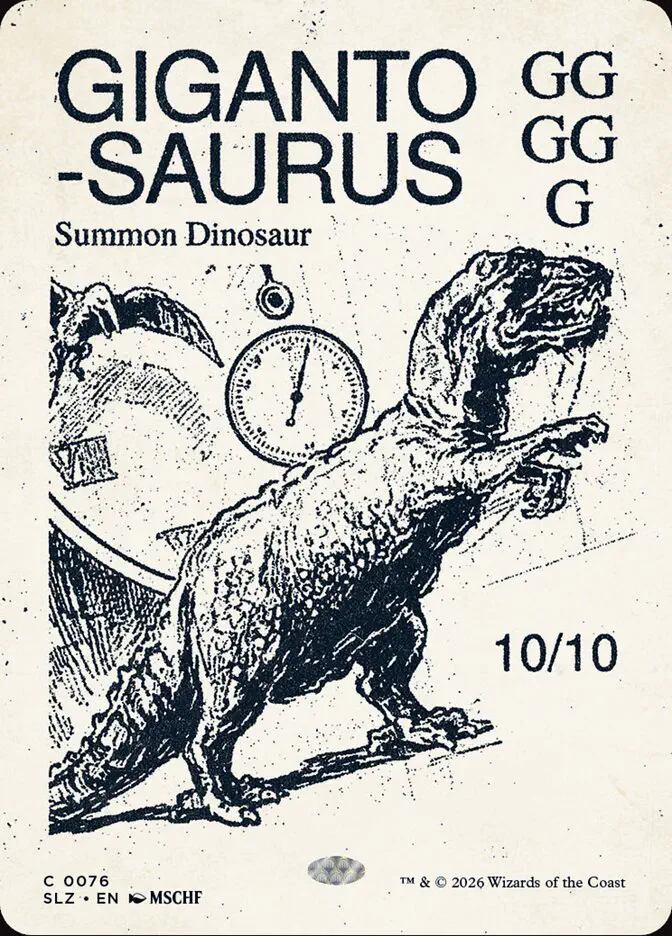
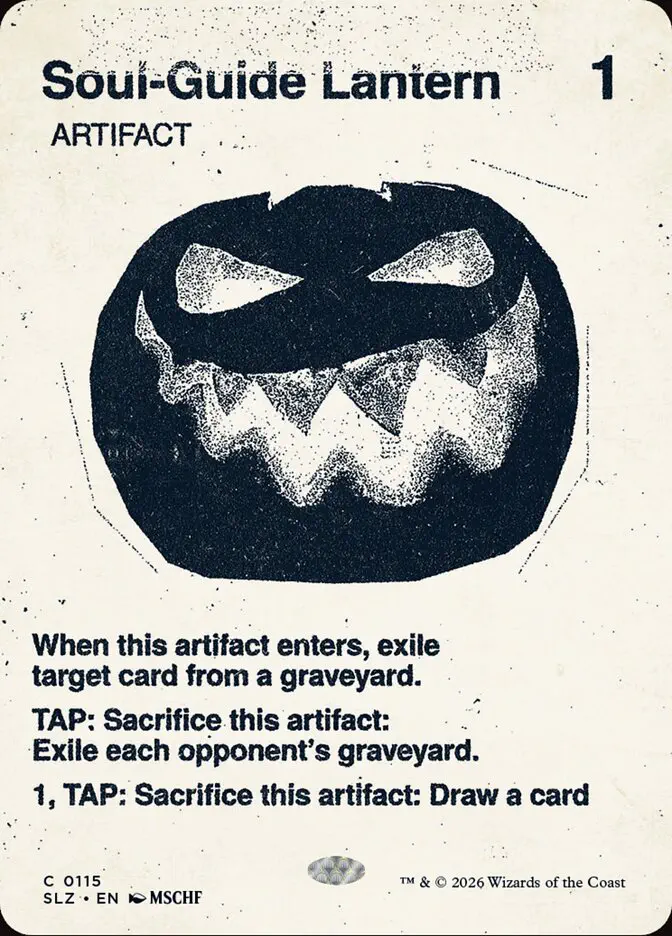
On September 4, Gavin Verhey, on behalf of the Pauper Format Panel, announced the change of heart. The common rule is recognized for Zeta too: of the twelve new downshifts, ten will be legal and two are banned preemptively: Narcomoeba and Price of Progress.
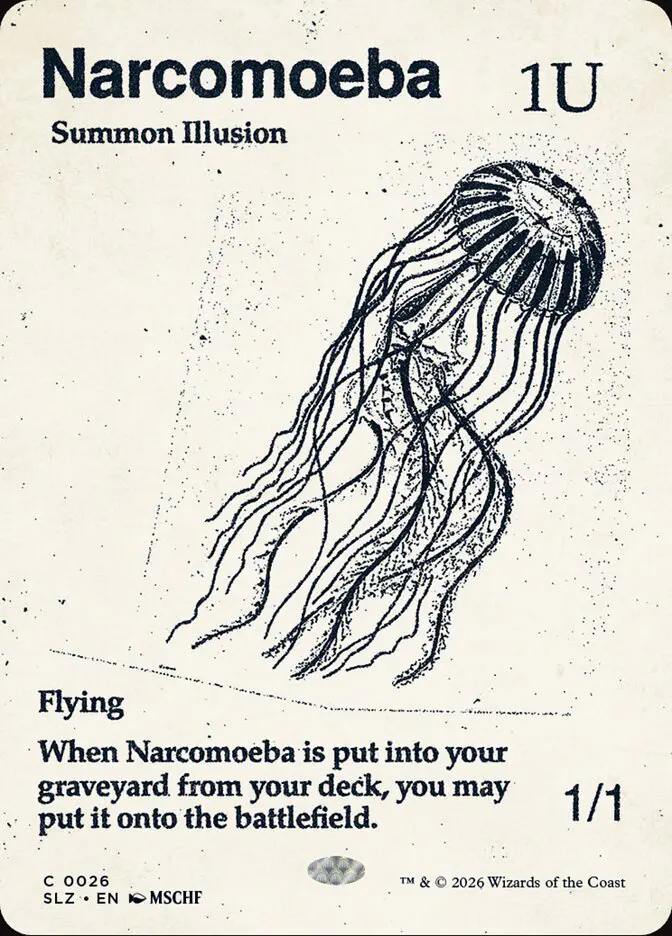
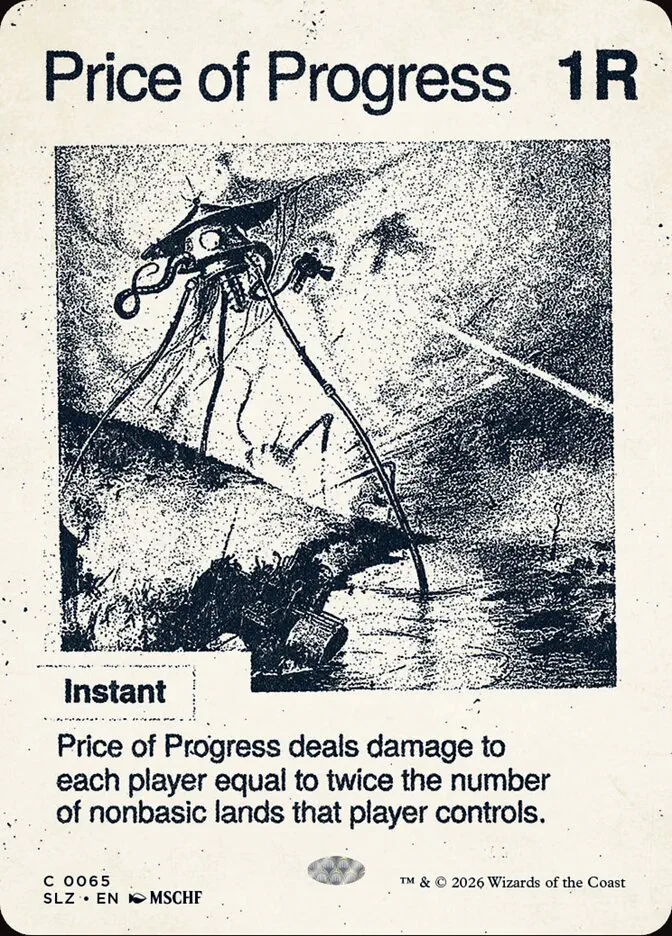
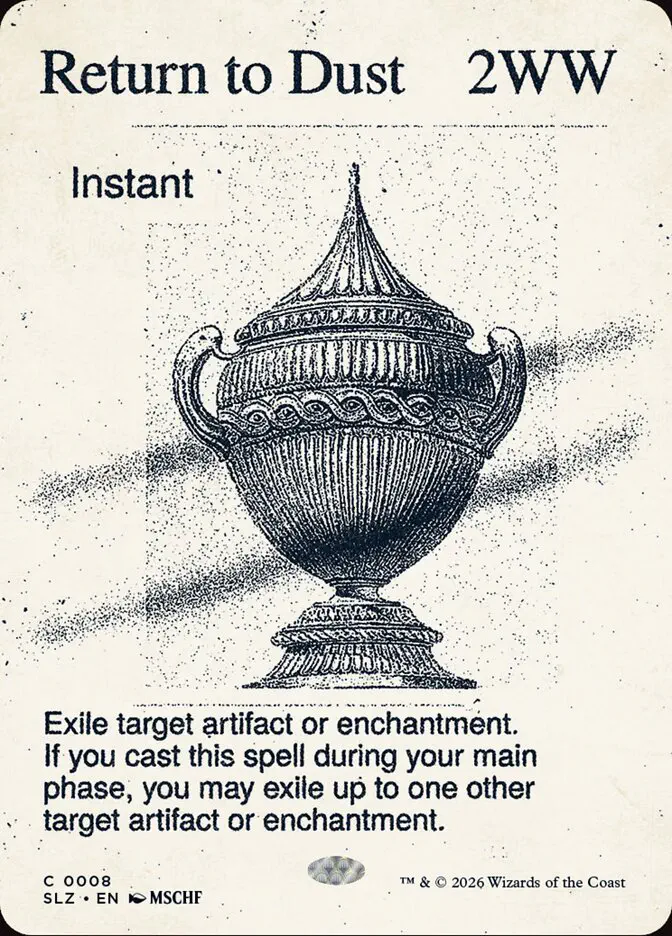
The effective date is September 7 for tabletop play and September 23 for Magic Online. Baleful Strix, Vandalblast, Dispatch, and Cut Down remain under close watch, with reviews scheduled for the October 12 and December updates—being on the watchlist doesn't mean a ban is already set in stone.
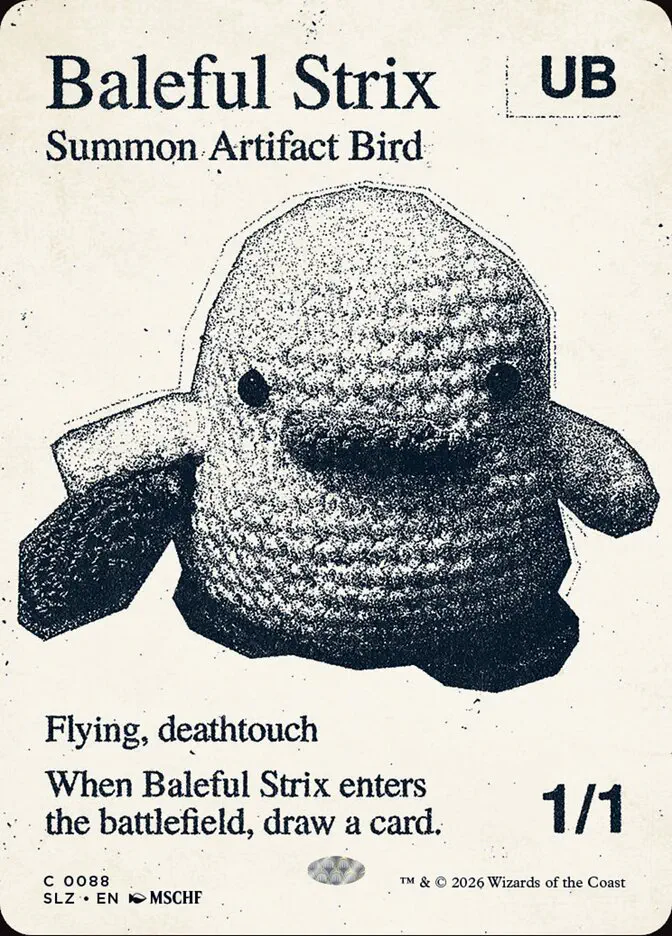
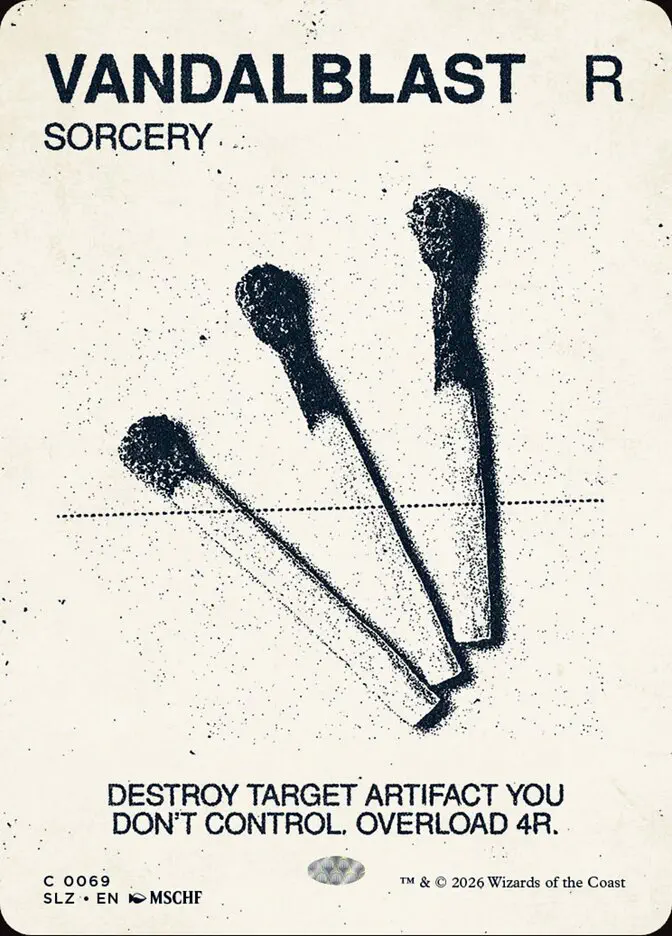
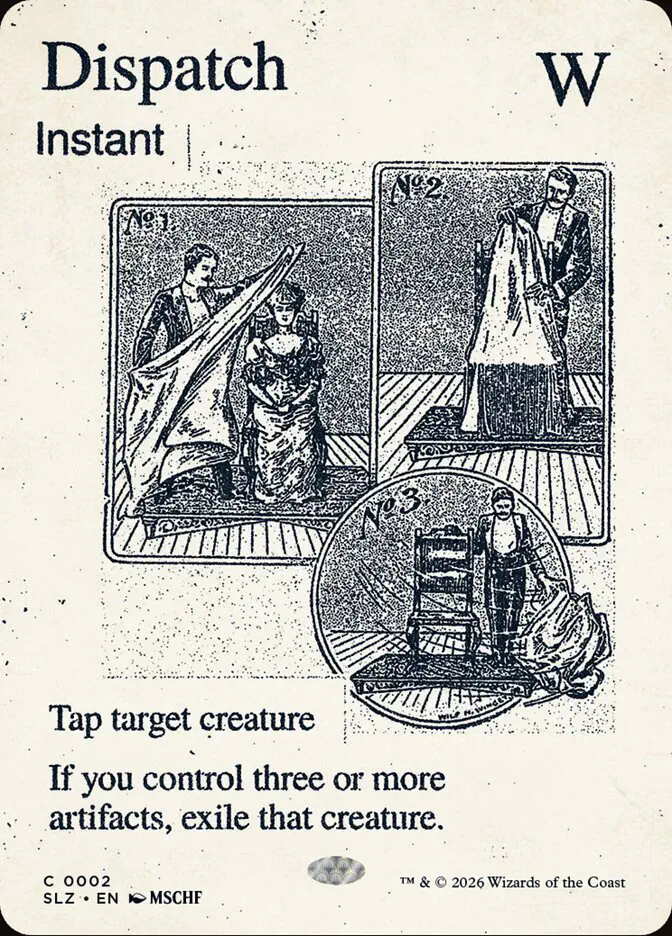
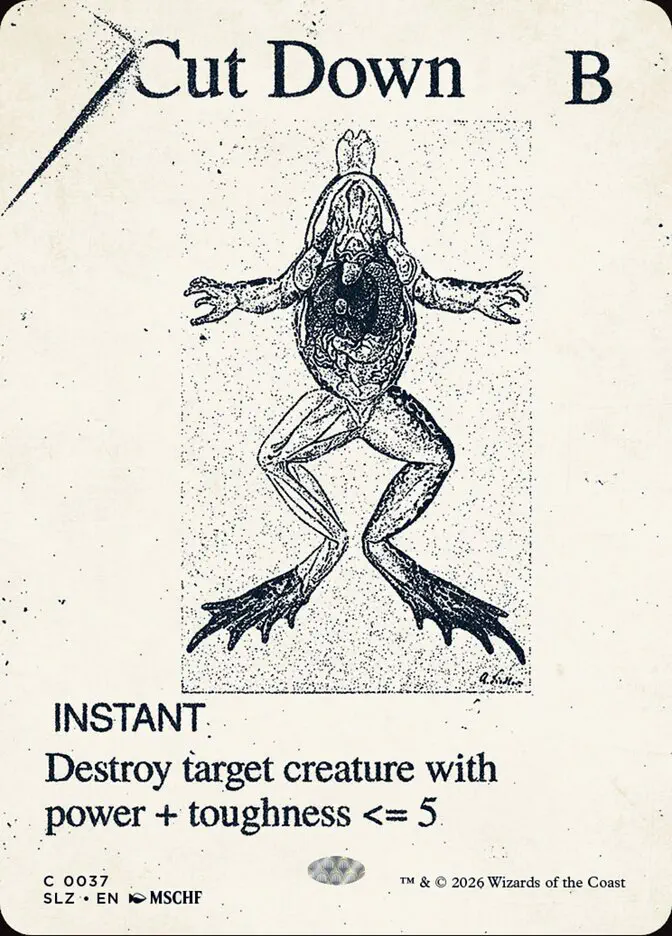
The announcement also acknowledges the mixed messaging of the previous days and describes a split community: it wouldn't be accurate to frame the outcome as a choice unanimously demanded by the player base.
At this stage, an operational answer exists. It remains to judge how we got there, whether the U-turn was a case of listening to the community or just sloppy management: the fact is the shift in decision, and the judgment on that shift belongs to those watching.
September 5: The GoatBots report
On September 5, a post emerged from GoatBots, accusing someone associated with the Pauper Format Panel of exploiting insider information. According to the message, over 250 copies total of Baleful Strix, Vandalblast, and Dispatch were purchased through their bots.
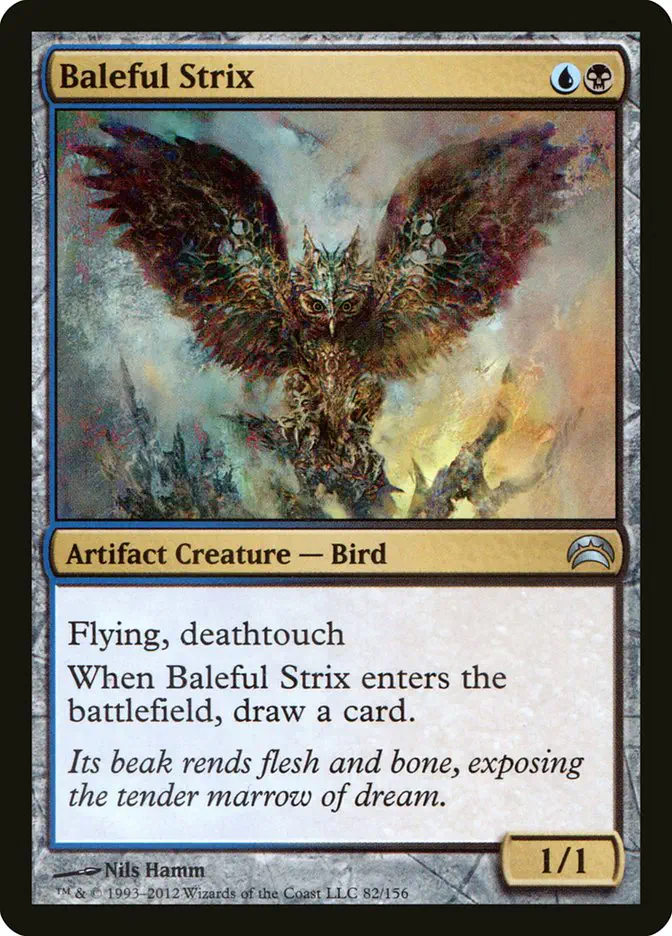
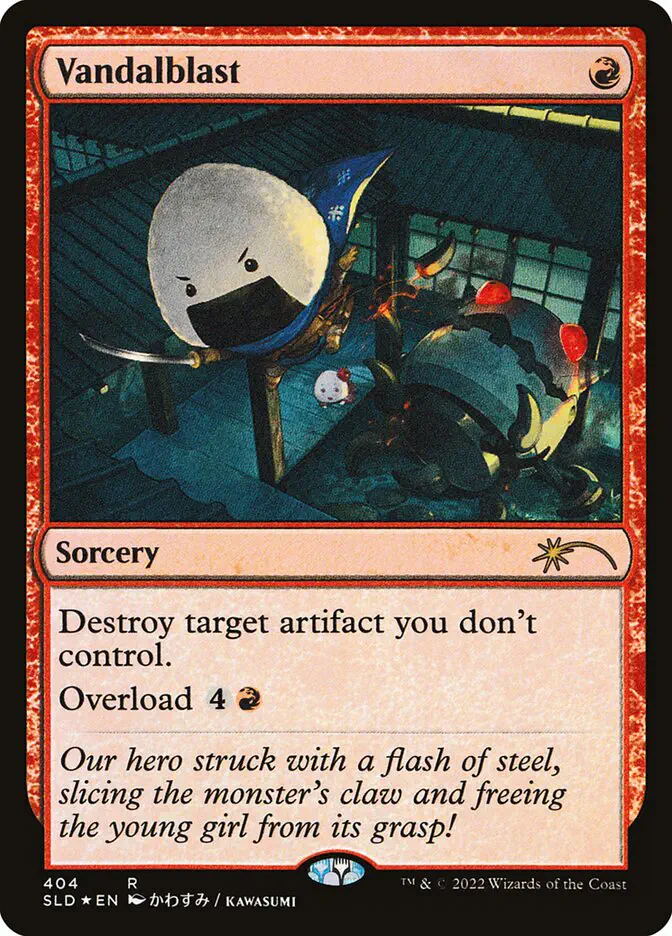
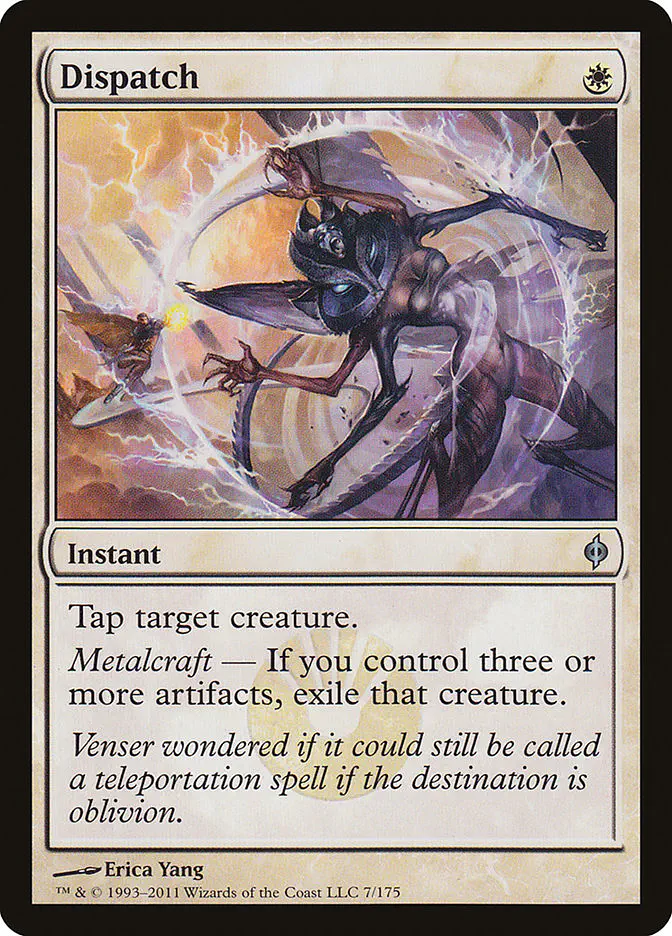
The timeline needs to be read carefully: the post talks about purchases made the day before the announcement, so the timing seems to point to September 4 and the change in legality, not the first set previews back in August.
An allegation is not proof. The available sources lack independent elements to verify the buyer's identity, connection to the Panel, information possessed, or motivations, and we cannot turn an accusation against an unidentified individual into a liability for the entire PFP. Demanding clarity is legitimate; presenting the wrongdoing as proven fact is not. Furthermore, this situation should be kept separate from the debate over the cards' legalization.
My stance: the issue is trust
So much for the timeline. From here on out, I'm speaking as a player, not on behalf of the community.
I would have preferred to stick to the original decision. Not because I think all the cards in the Zeta Set are inherently bad, but because I value the stability of the guidelines that players and organizers rely on. Going from a publicly announced exclusion to a sudden approval left me with more distrust than excitement.
This doesn't mean an official decision must be irreversible: correcting a mistake is legitimate, and stubbornness just to save face would be a poor way to run the format. However, the right to change your mind doesn't erase the responsibility of how you communicated before and how you manage the transition.
I wanted the questions about the relationship between rarity, product, and legality to find a shared answer before reaching players as a done deal. A subsequent explanation can clarify the reasons for the U-turn, but it doesn't obligate the reader to feel reassured.
As far as I'm concerned, the trust is broken. This is a personal conclusion, not a measure of collective sentiment or proof that anyone acted in bad faith. Those who see the turnaround as proof of a willingness to listen are entitled to their interpretation, but today, I find it hard to share it.
The Pauper I don't want to lose
My disappointment stems from how much I value the format. What I love about Pauper is the ability to focus on the deck, the choices at the table, and the people I meet at the League. Accessibility, to me, isn't just about price: it's also the feeling of stepping into an environment without having to follow every controversy surrounding it first.
I don't think twelve reprints can erase all of this, but when a single issue dominates every conversation, we risk losing sight of why those conversations started in the first place: we love playing Magic.
I have nothing against format study—tuning a sideboard, discussing a matchup, analyzing a loss are all legitimate ways to experience the game. Nor do I consider criticism of Wizards or the Panel useless: demanding consistency and transparency is part of the care we dedicate to our passion. The problem starts when debate turns into permanent hostility, when explaining why you disagree with a decision is no longer enough and you have to attribute malicious intent to those who support it, when every update becomes an excuse to restart the same old fight.
It's that Pauper—more consumed by its own drama than by its own games—that I would hate to find myself playing.
From Z to A
Sometimes I feel like I spend more time reading discussions about Magic than actually playing it. I don't have data to prove it, and I don't claim it's true for everyone: it's just my way of describing the burnout of these past few days.
I'm writing this in a Magic article, so I don't consider myself detached from the problem. Talking about the game can help us understand and enjoy it better, but I'd like to prevent the talk from becoming a substitute for the experience, or the need to take a stand on every announcement from draining the desire to sit down at the table.
I miss the simplicity of building a deck, heading to the shop, and finding someone to play with. I don't want to romanticize a past without the internet, nor ask anyone to stop staying informed: I'd just like to give the actual matches more space than the endless arguments.
And I'm not saying we should forget the GoatBots report or stop asking for explanations: the investigations must run their course. Going back to playing doesn't mean letting anyone off the hook, but rather not letting the wait for answers become a permanent condemnation of the entire format.
We called this product The Zeta Set. We reached the letter Z, and as far as I'm concerned, it's time to try going the other way.
From Z to A. A as in "Andiamo a Giocare ai Tavoli"—Let's Go Play at the Tables.
Less need to turn every disagreement into a war. More decks to try, more opponents to meet, more games to talk about after playing them.
The Pauper I want to defend isn't one where nobody can criticize a decision. It's one where, even after harsh criticism, the desire and the opportunity to gather around a deck remain. Because, despite all the Zeta Gate drama, that's still where I want to return: to a table, with an opponent, and a game to play.
Less Pauper Talk, More Pauper Play.
Flavio